
Questions before panels cover the roof
Homeowners should ask roof leak questions before solar is installed.
Solar can be a long-term asset, but the roof underneath still matters. Before panels, rails, and wiring cover the work, homeowners should understand roof condition, penetrations, flashing, sealant, waterproofing, inspection, and future service.
Homeowner protection
The best leak question is asked before installation.
A homeowner does not need to become a roofer or solar installer. But a homeowner should be able to ask practical questions and receive clear answers.
A good solar mounting conversation should explain whether the roof is ready, where penetrations will be made, how attachments are flashed, how sealant is used, what gets inspected, and how the roof can be serviced later if a leak or reroofing need appears.
SolarMount.com rule: if the roof-protection method cannot be explained plainly, the project needs more clarity before panels cover the work.
Start here
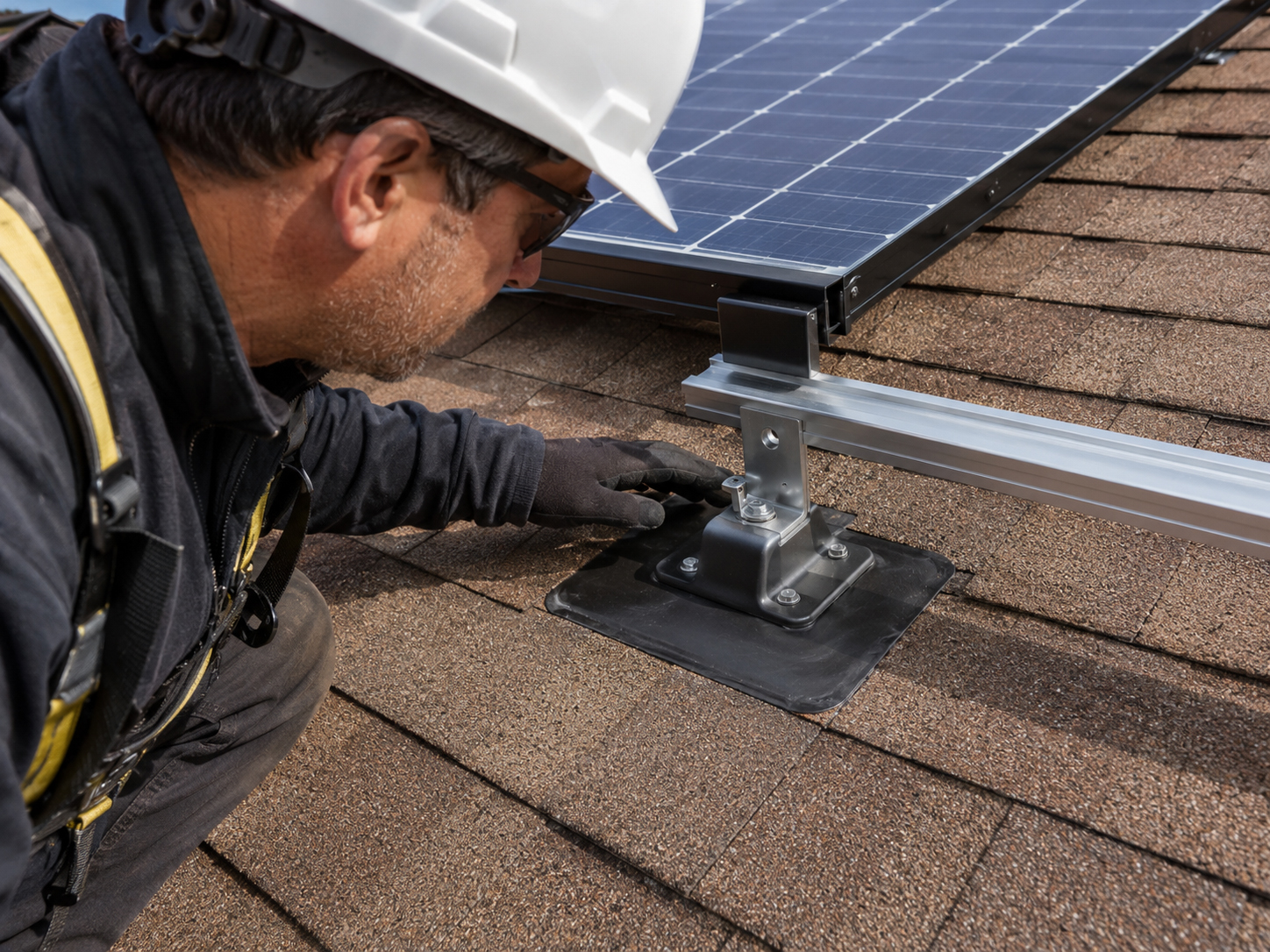
The six questions every homeowner should ask.
These questions turn the vague fear of “Will solar make my roof leak?” into a practical roof review.
How old is my roof?
If the roof is near the end of its service life, roofing work may need to happen before solar is installed.
Has the roof condition been reviewed?
Ask about worn shingles, broken tiles, soft areas, prior leaks, old patches, ponding, or damaged materials.
Where will the roof be penetrated?
Every penetration should have a purpose, structural target, waterproofing method, and inspection point.
How will each mount be flashed?
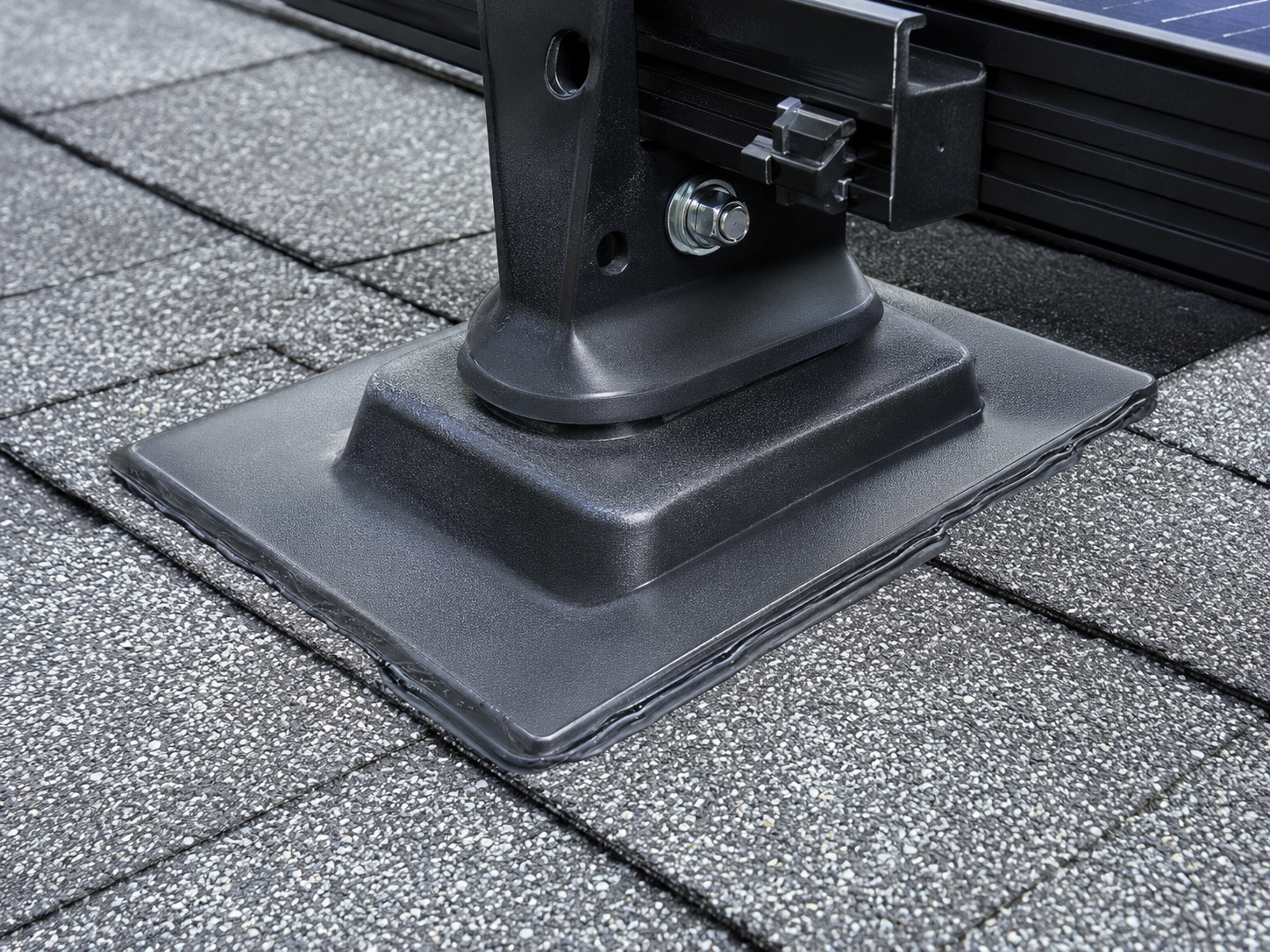
Flashing should work with the roof material and water path. It should not be treated as cosmetic metal.
Is sealant being used correctly?
Sealant can support an approved detail, but it should not be the only waterproofing strategy.
What happens if the roof needs service later?
Ask how future roof repairs, leak investigation, reroofing, or panel removal would be handled.
Roof condition first
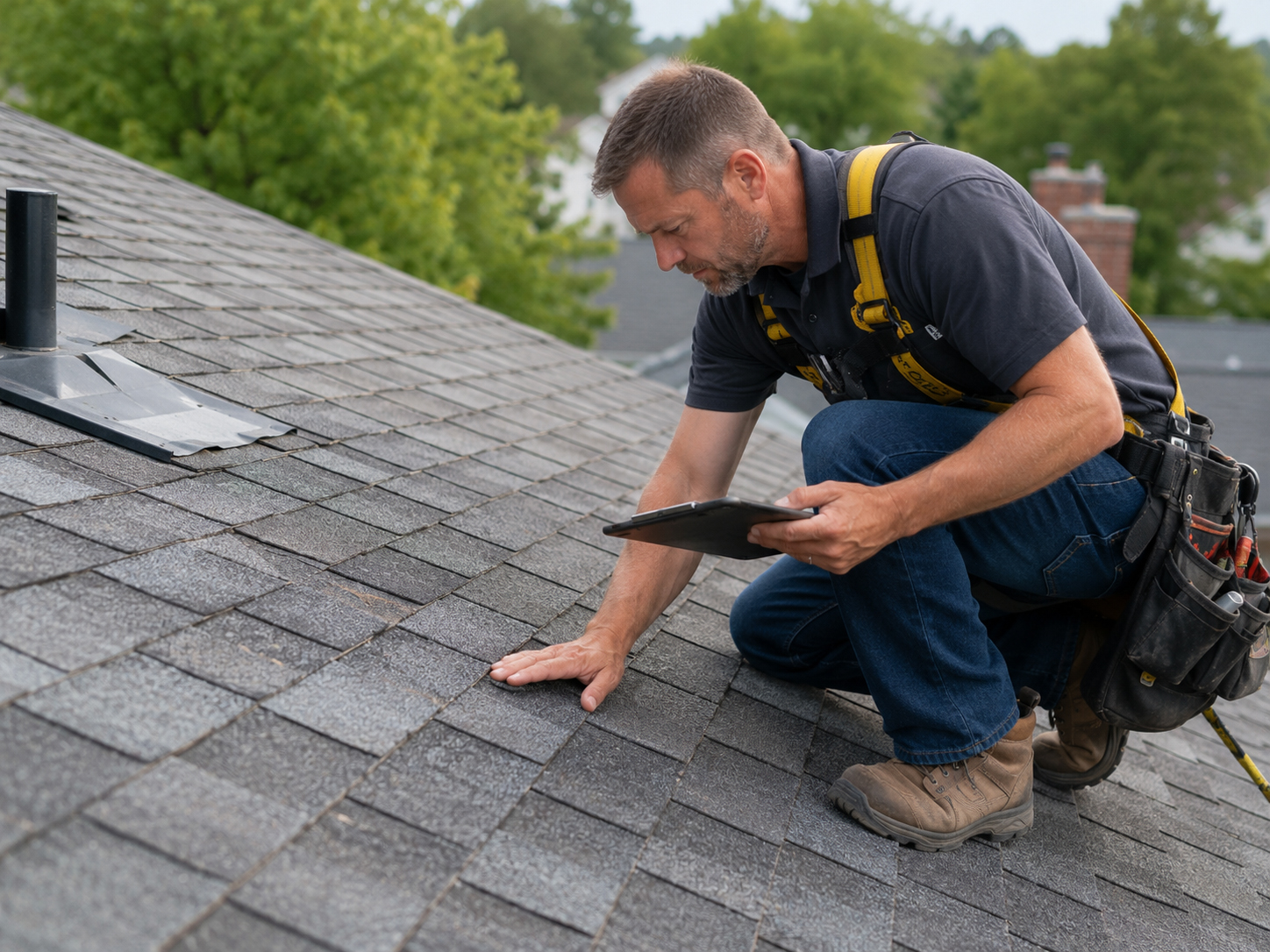
Ask if the roof should be repaired or replaced before solar.
A new solar array can outlast the roof underneath it if the roof question is ignored.
Removing and reinstalling solar later can add cost and complexity. If the roof is old, brittle, leaking, heavily patched, ponding, or near replacement, it may be smarter to solve the roofing issue before installing a long-life solar system.
Good homeowner question: “Is my roof ready for solar now, or should roofing work happen before the panels are installed?”
Question list
Ask these before the contract is signed.
These questions help clarify whether the roof has been treated as part of the solar design.
Roof readiness questions
- How old is the roof?
- What roof material is it?
- Has anyone inspected the roof condition?
- Are there prior leaks, patches, or water stains?
- Are there broken tiles, worn shingles, or soft areas?
- Should a roofer review the roof before solar is installed?
Solar mounting questions
- What mounting method will be used?
- Where will the mounting feet go?
- How are rafters or structural targets found?
- How will the roof penetrations be flashed?
- What sealant or waterproofing detail is used?
- Will I be able to see photos before the panels cover the work?
Plain-language summary: before signing, ask whether the company has reviewed the roof as carefully as it reviewed the solar production numbers.
Before panels cover the work
Ask to see the waterproofing details while they are still visible.
The most important roof-protection work may be hidden once the modules are installed.
Homeowners can reasonably ask for photos or a simple explanation of mounting feet, flashing, sealant, roof penetrations, and any unusual details before the rails and panels make the roof surface harder to see.
The homeowner should understand where the roof attachment is located.
The waterproofing strategy should be visible before concealment.
Photos can help future roofers, solar technicians, and homeowners understand the installation.
Roof type questions
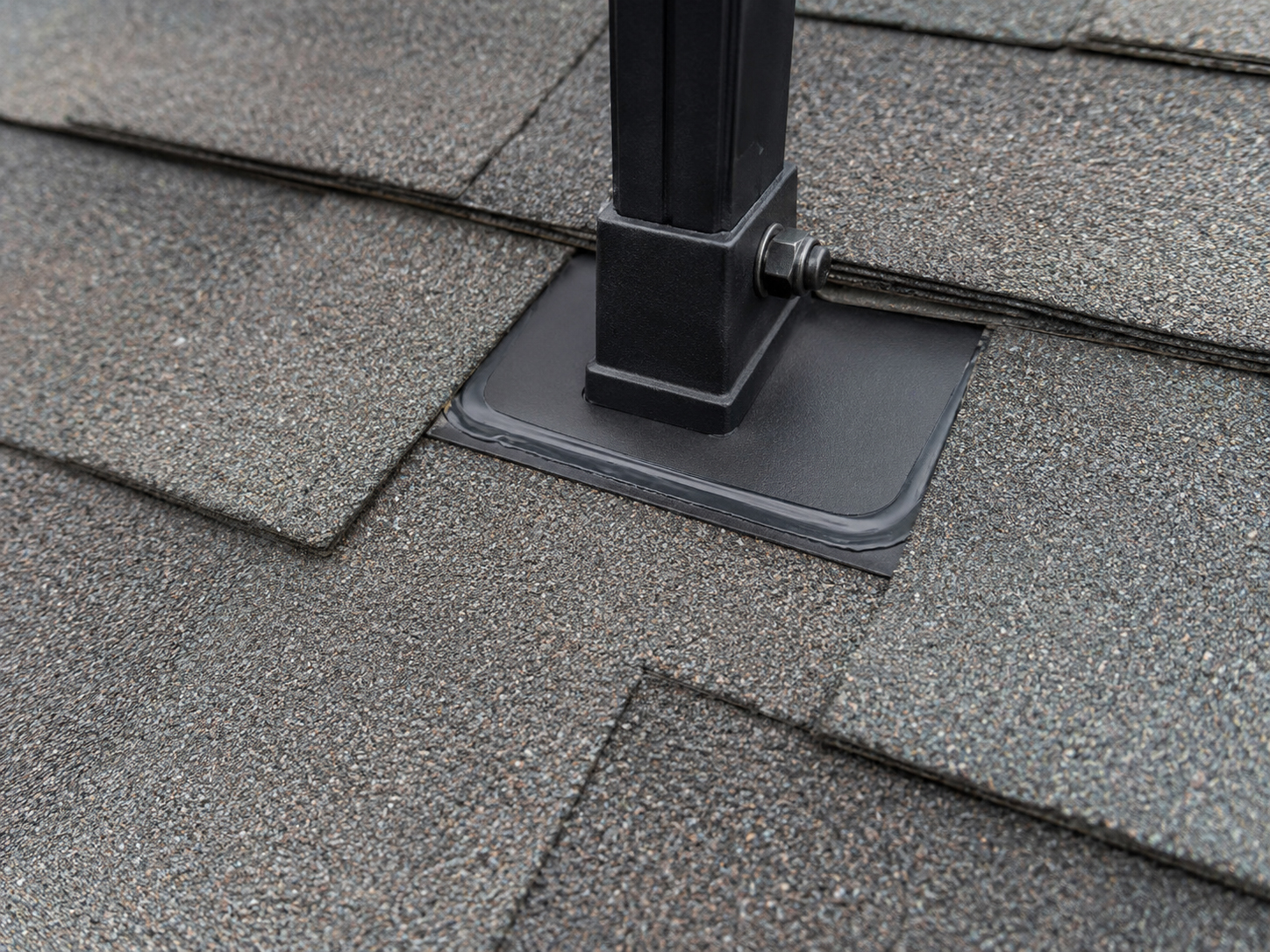
Your roof material changes the questions.
Composition shingle, tile, metal, flat roof, wood shake, and unique roofs each deserve different review.
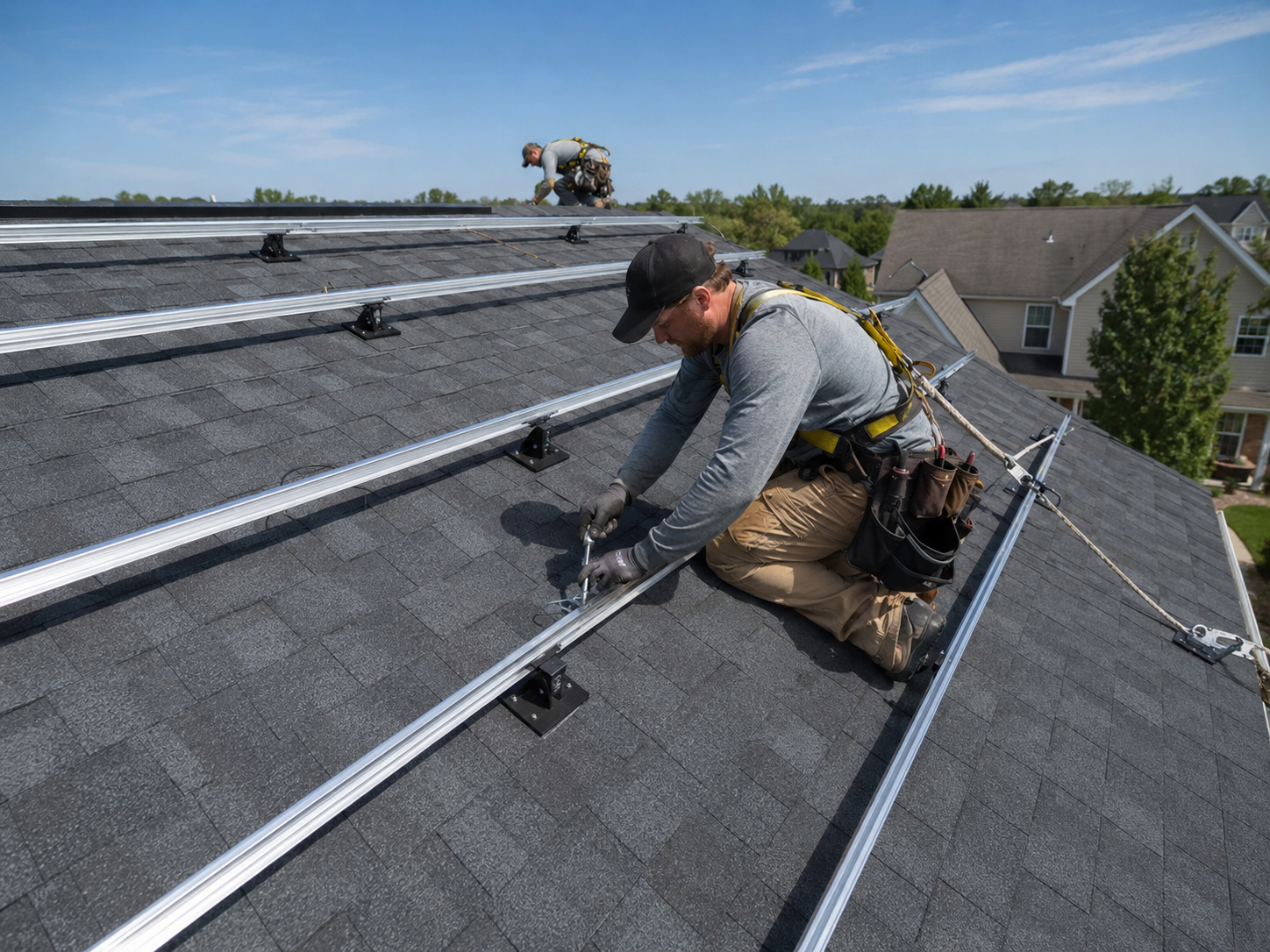
Composition Shingle
Ask how flashed mounts work with shingles, rafters, and roof condition.
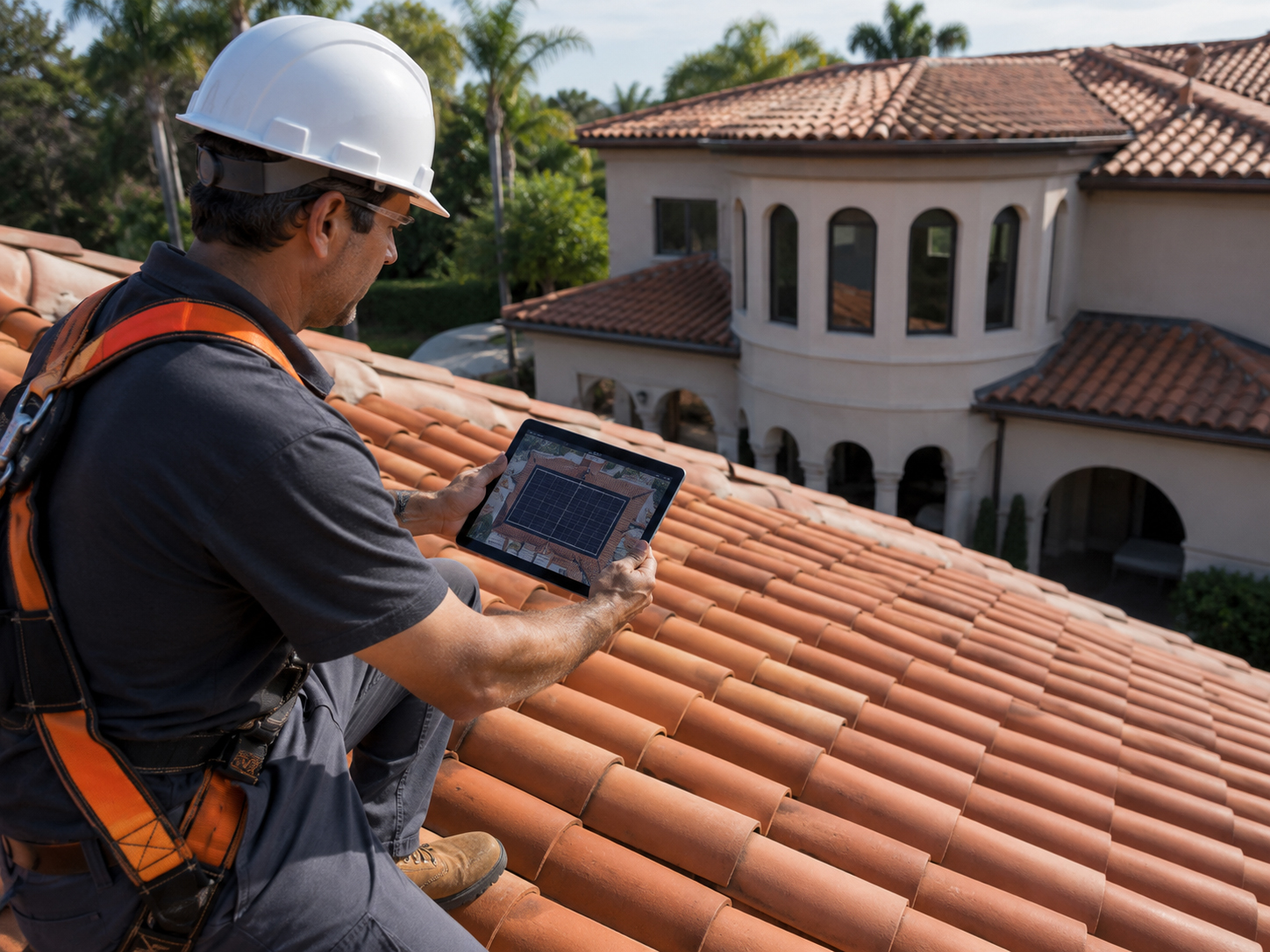
Tile Roofs
Ask about underlayment, broken tiles, access, serviceability, and roof age.
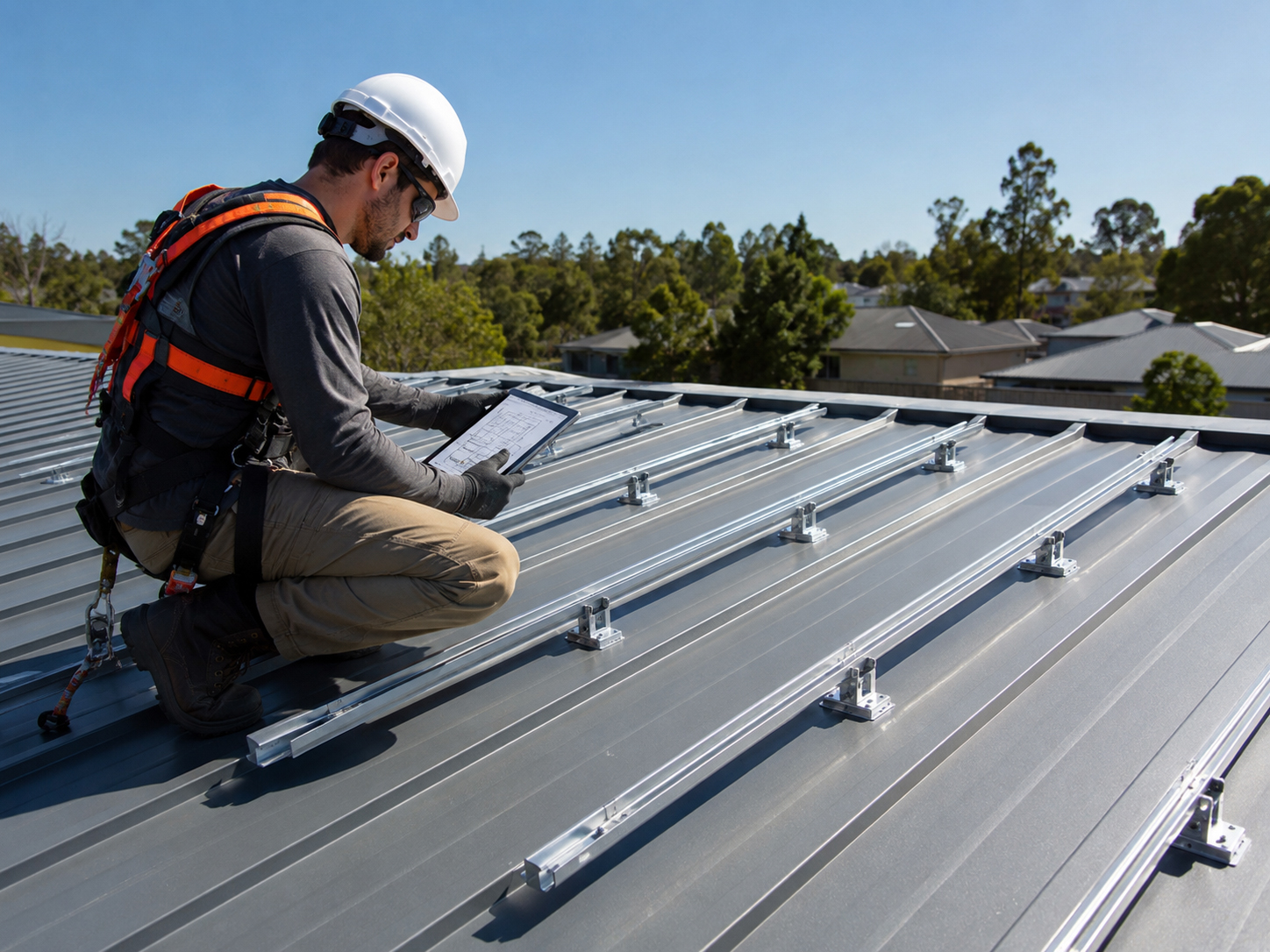
Metal Roofs
Ask about seams, clamps, fasteners, coatings, penetrations, and roof manufacturer guidance.
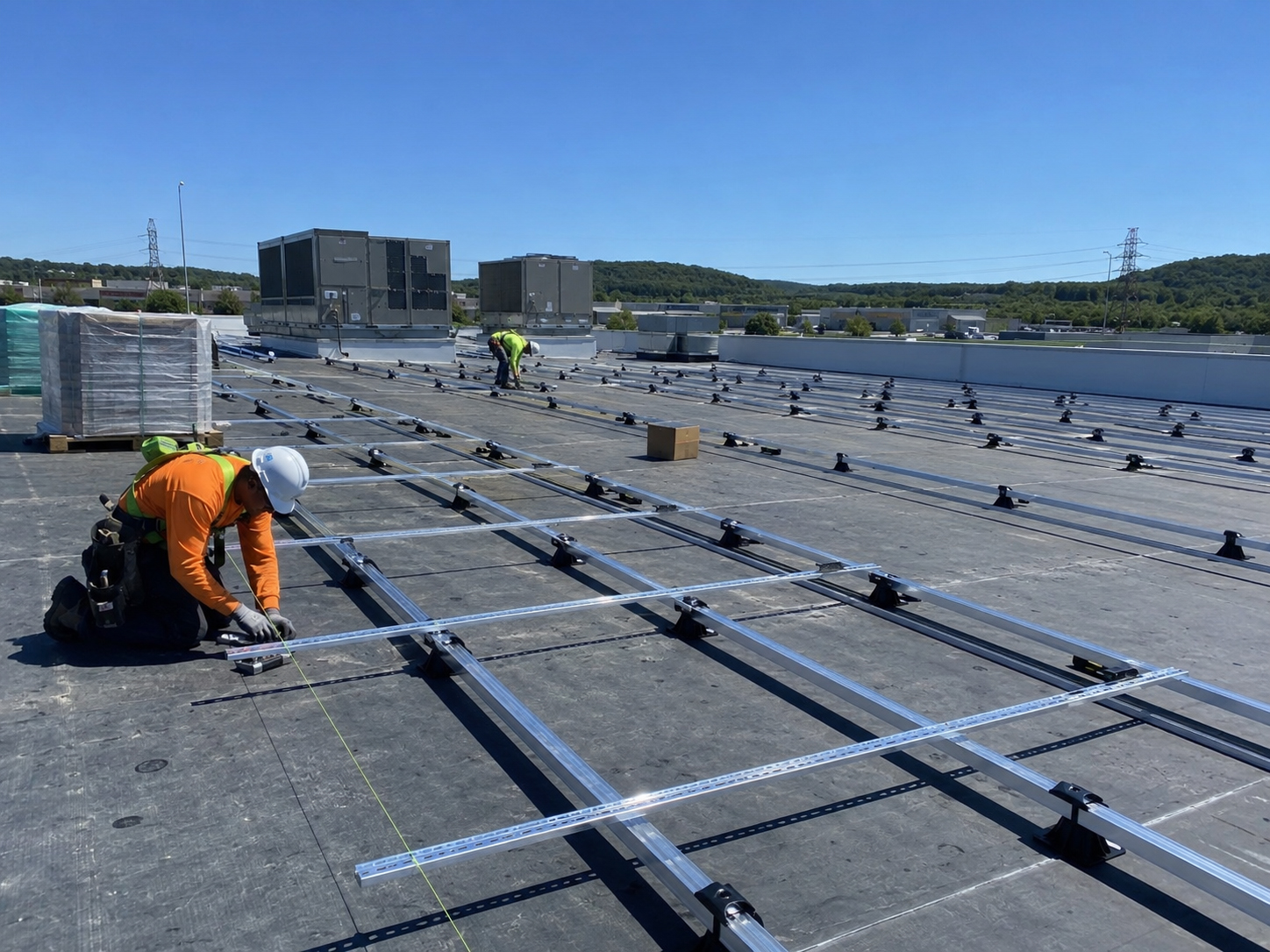
Flat Roofs
Ask about membrane condition, ballast, roof load, drainage, and access paths.
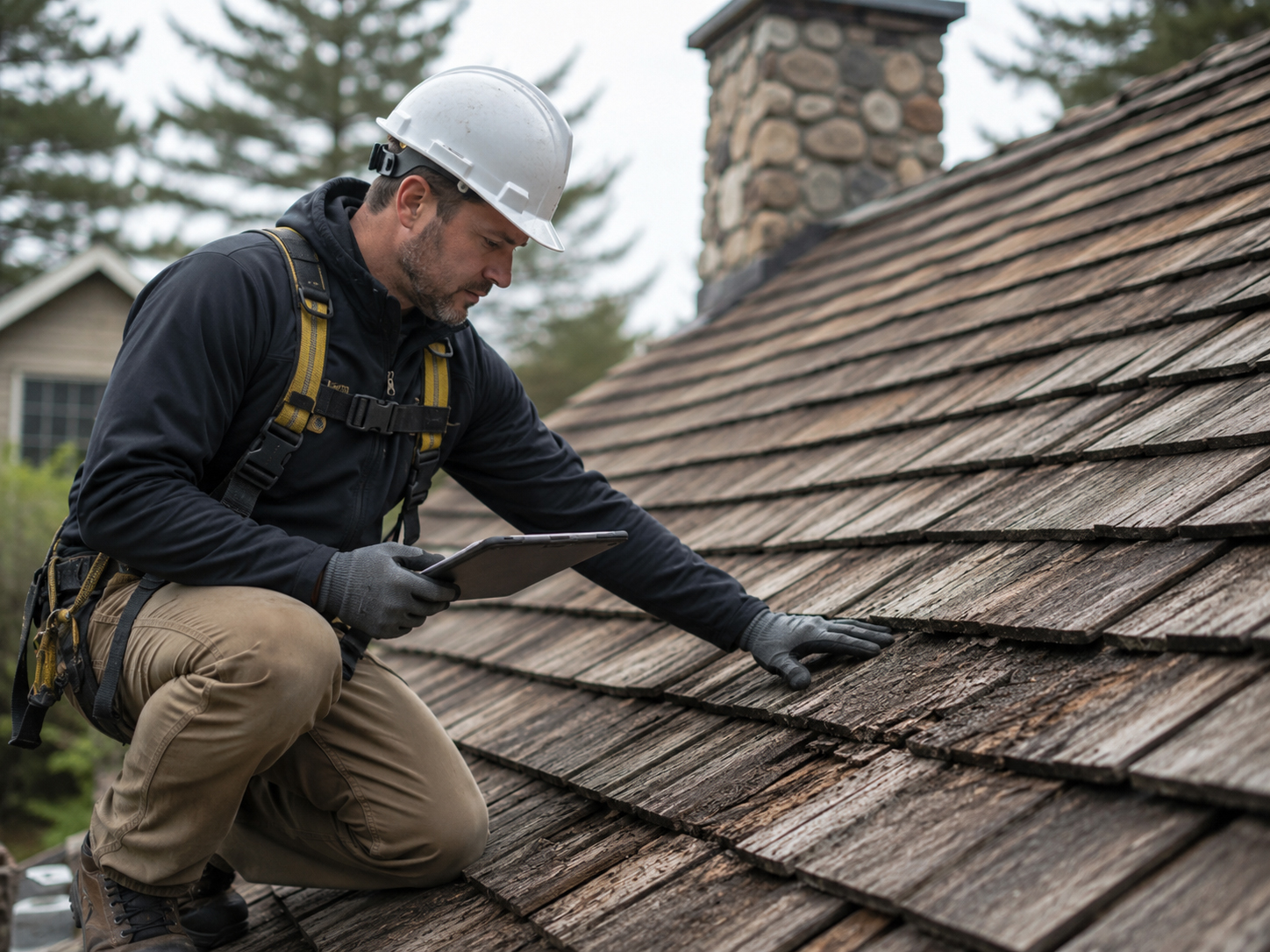
Wood Shake
Ask whether reroofing should happen before solar is considered.
Unique Roofs
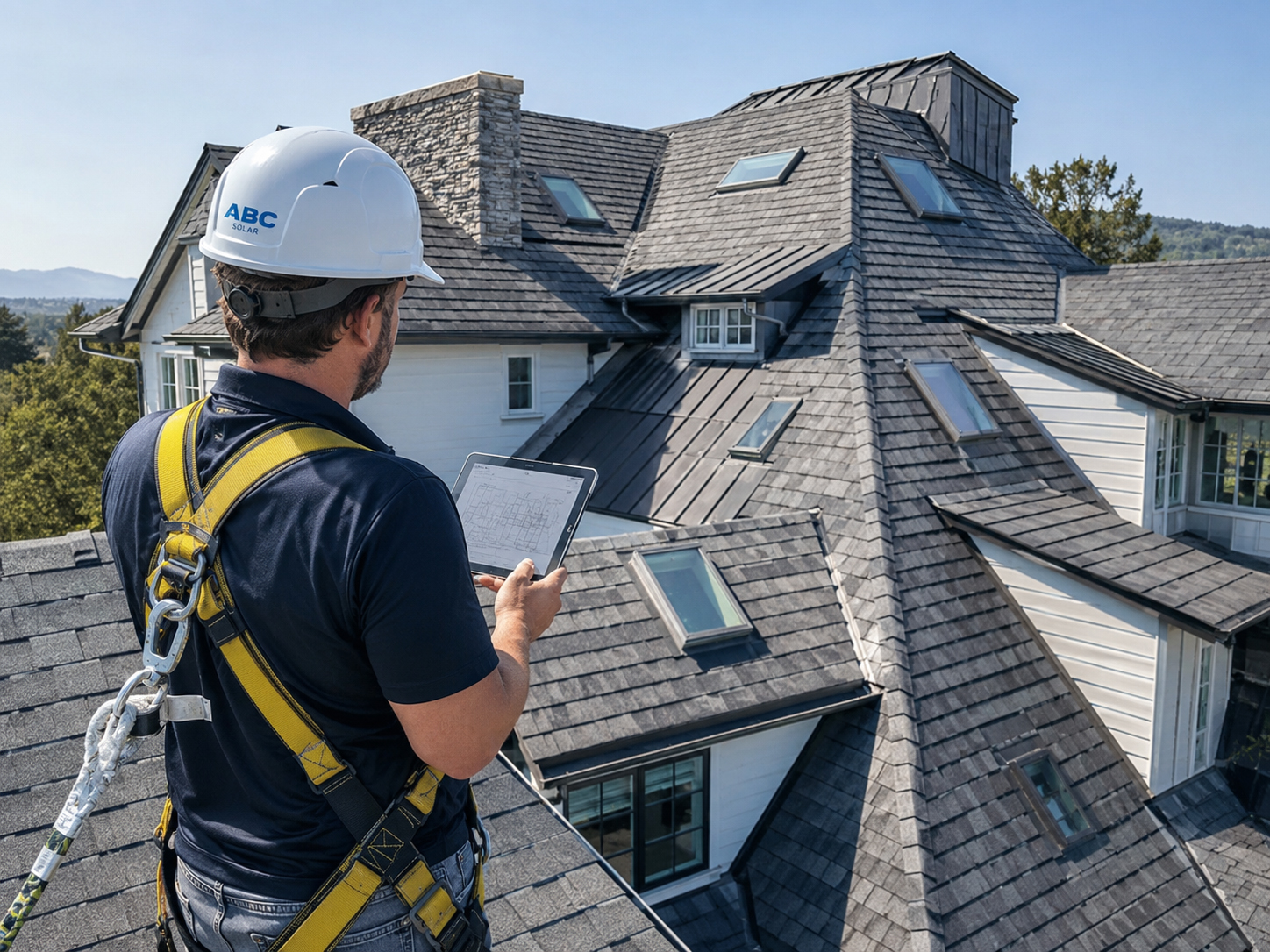
Ask how hips, valleys, skylights, dormers, and mixed materials affect the plan.
Penetration questions
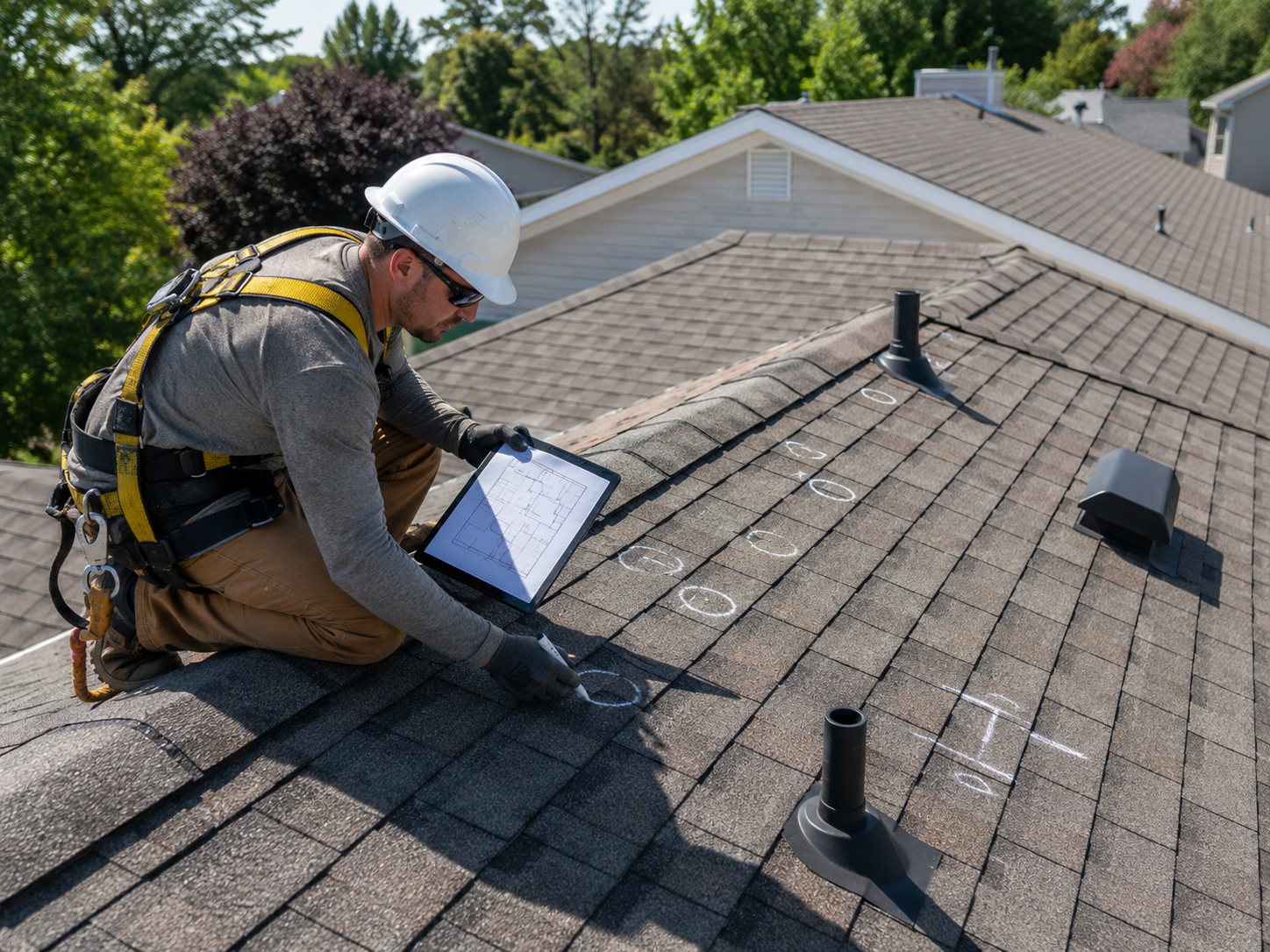
Ask where the roof will be opened.
A roof penetration is not automatically a problem. An unexplained penetration is.
Each penetration should have a purpose and a protection plan: structural target, mounting hardware, flashing, sealant, inspection, and documentation. Homeowners should not be embarrassed to ask where the roof is being opened and why.
Good homeowner question: “Where will the roof penetrations be, and how will each one be waterproofed?”
Roofer and solar contractor
Ask whether a roofer should be involved before solar starts.
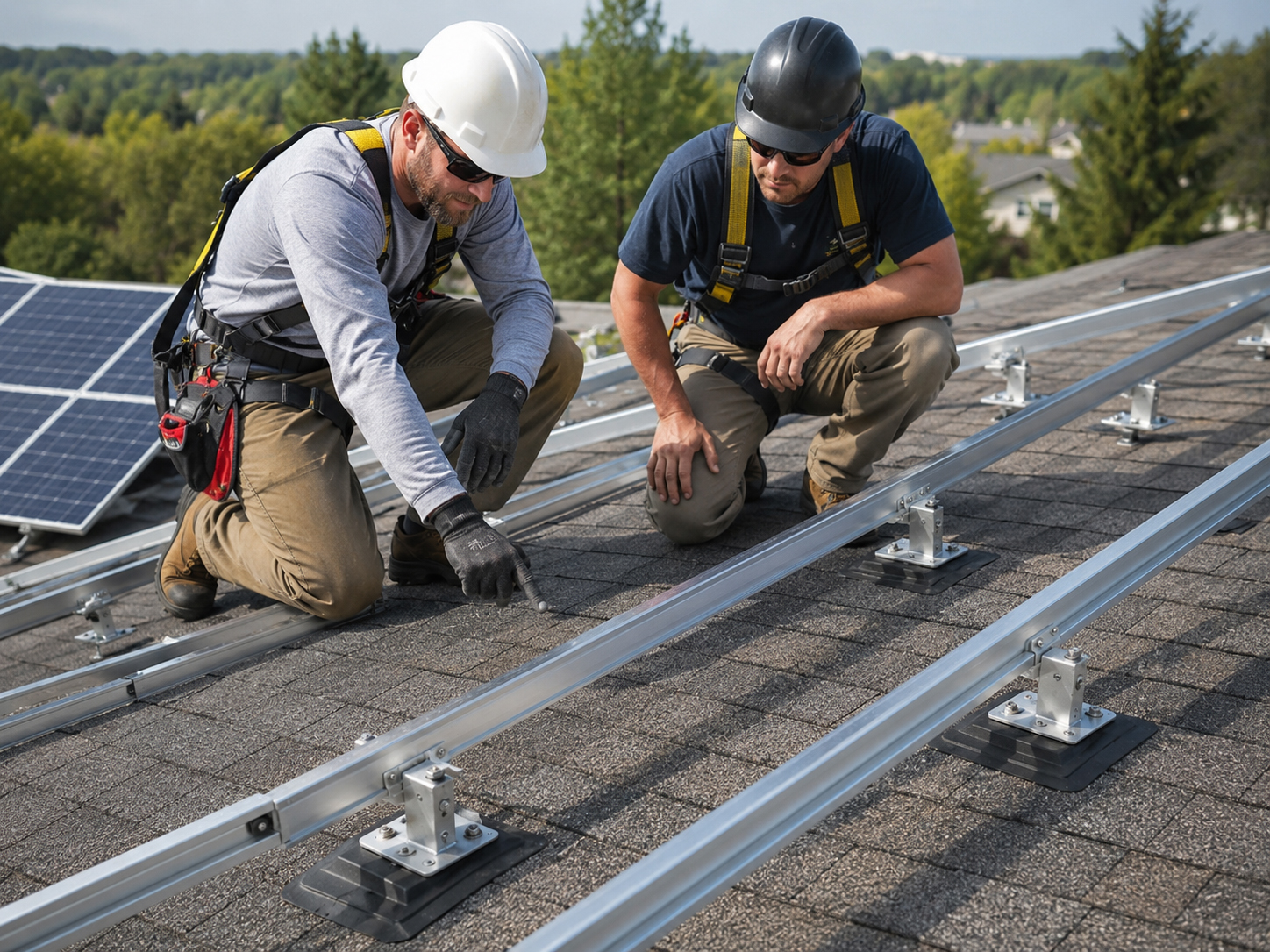
The roofer understands the roof’s water path. The solar contractor understands the array.
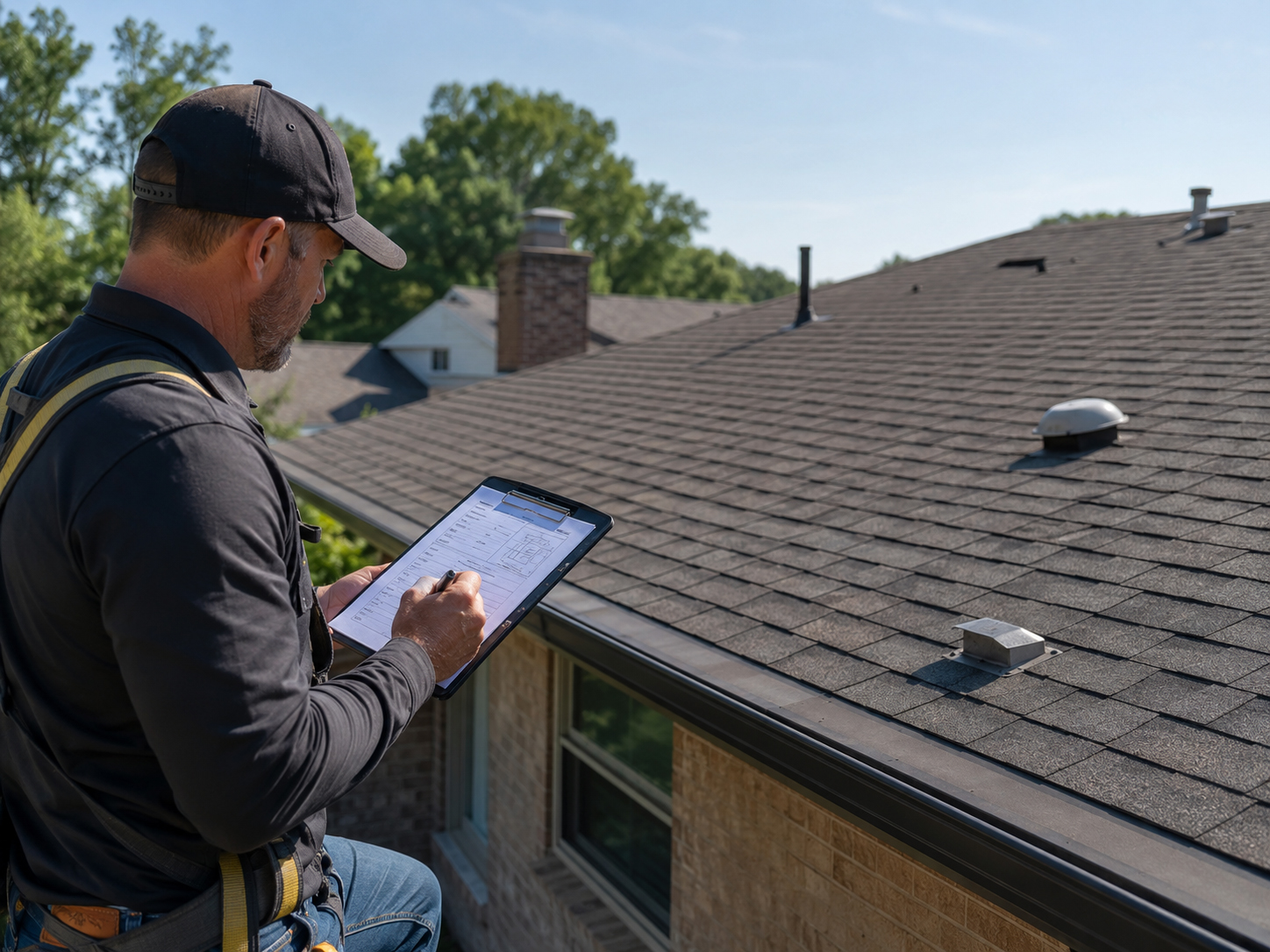
If the roof is older, patched, tile, wood shake, flat, complex, or has any leak history, it can be wise to ask whether a roofer should inspect or coordinate before solar is installed. This can prevent confusion later if roof service is needed.
Plain-language summary: roofers and solar contractors should coordinate before installation, not after a leak question appears.
After installation
What should homeowners keep for future roof service?
Documentation helps future roofers, solar technicians, and homeowners understand the work.
Useful records
- Final solar plan set or permit documents.
- Photos of roof attachments before panels were installed.
- Photos of flashing and waterproofing details.
- Roof condition notes before installation.
- Inspection approval documentation.
- Installer contact, warranty, and service information.
Future service questions
- Who removes panels if roof work is needed?
- Who reinstalls panels after roof work?
- How are roof leaks investigated under an array?
- What happens if a mount or flashing detail needs service?
- Will roof warranty and solar warranty interact?
- How quickly can the installer respond to roof-service needs?
Important: SolarMount.com is educational. Actual roof leak diagnosis, roof repair, waterproofing, warranty, solar removal, reinstallation, and inspection decisions must be handled by qualified professionals and follow approved plans, manufacturer instructions, roofing requirements, local code, and job-specific conditions.
Inspection questions
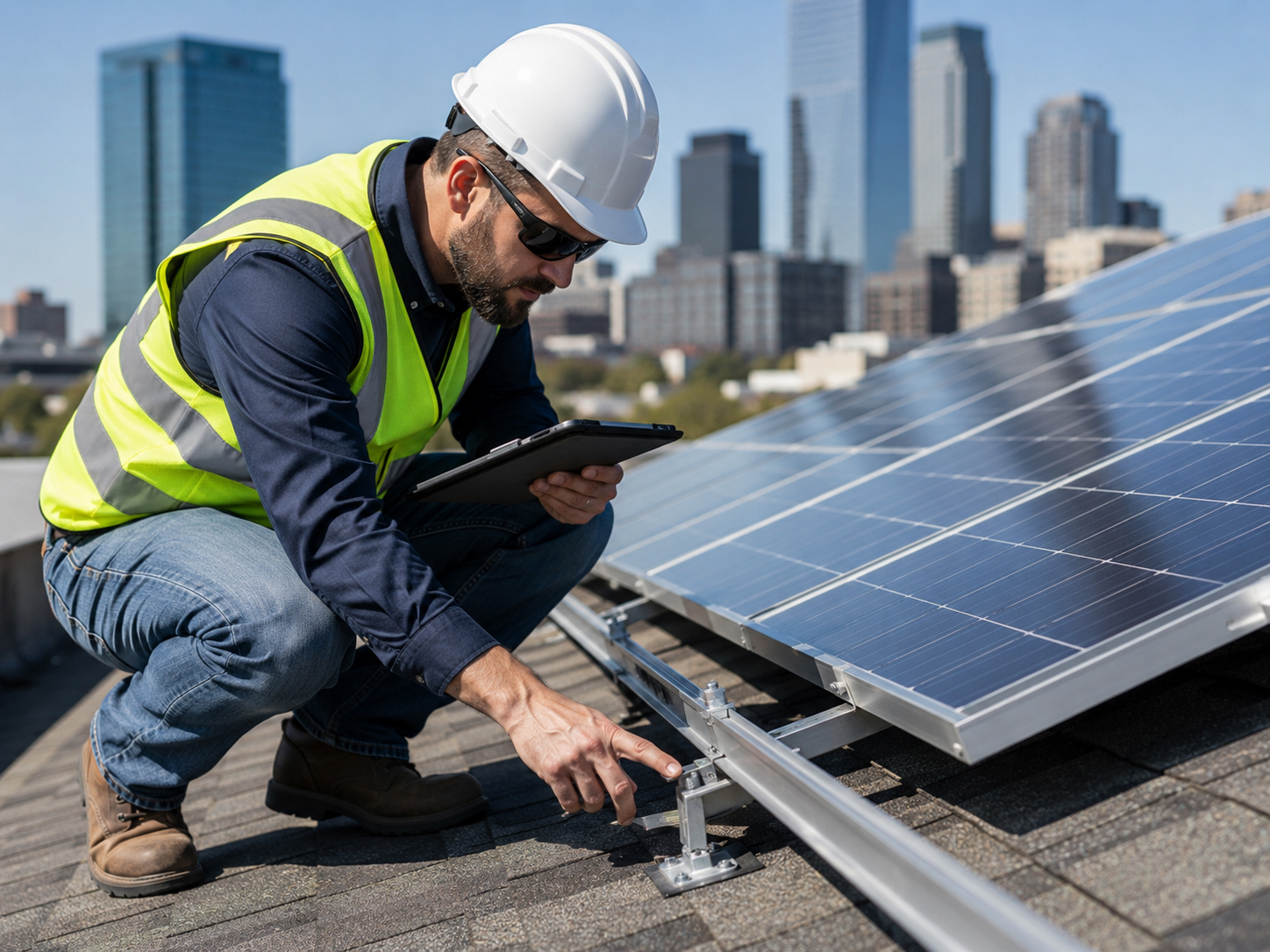
Ask what the inspector sees before final sign-off.
Inspection is more useful when the work is visible, documented, and consistent with the plan.
Some details may be inspected during installation, while others may be checked at final inspection. Homeowners can ask what is reviewed, what is photographed, and what documentation is kept after the project passes inspection.
Good homeowner question: “What roof mounting and waterproofing details will be visible or documented for inspection?”
Related field guide pages
Continue the homeowner roof review.
Roof Leak Prevention
Prevent roof problems before panels cover the work.
Waterproofing Is Job One
The first rule of roof-mounted solar.
Flashing & Sealant
Flashing handles water. Sealant supports the detail.
Mounting Checklist
Review roof, structure, penetrations, access, and inspection before installation.
Homeowner conclusion
Ask before the roof is covered.
A homeowner’s best protection is a clear conversation before installation: roof condition, penetrations, flashing, sealant, inspection, documentation, and future service.