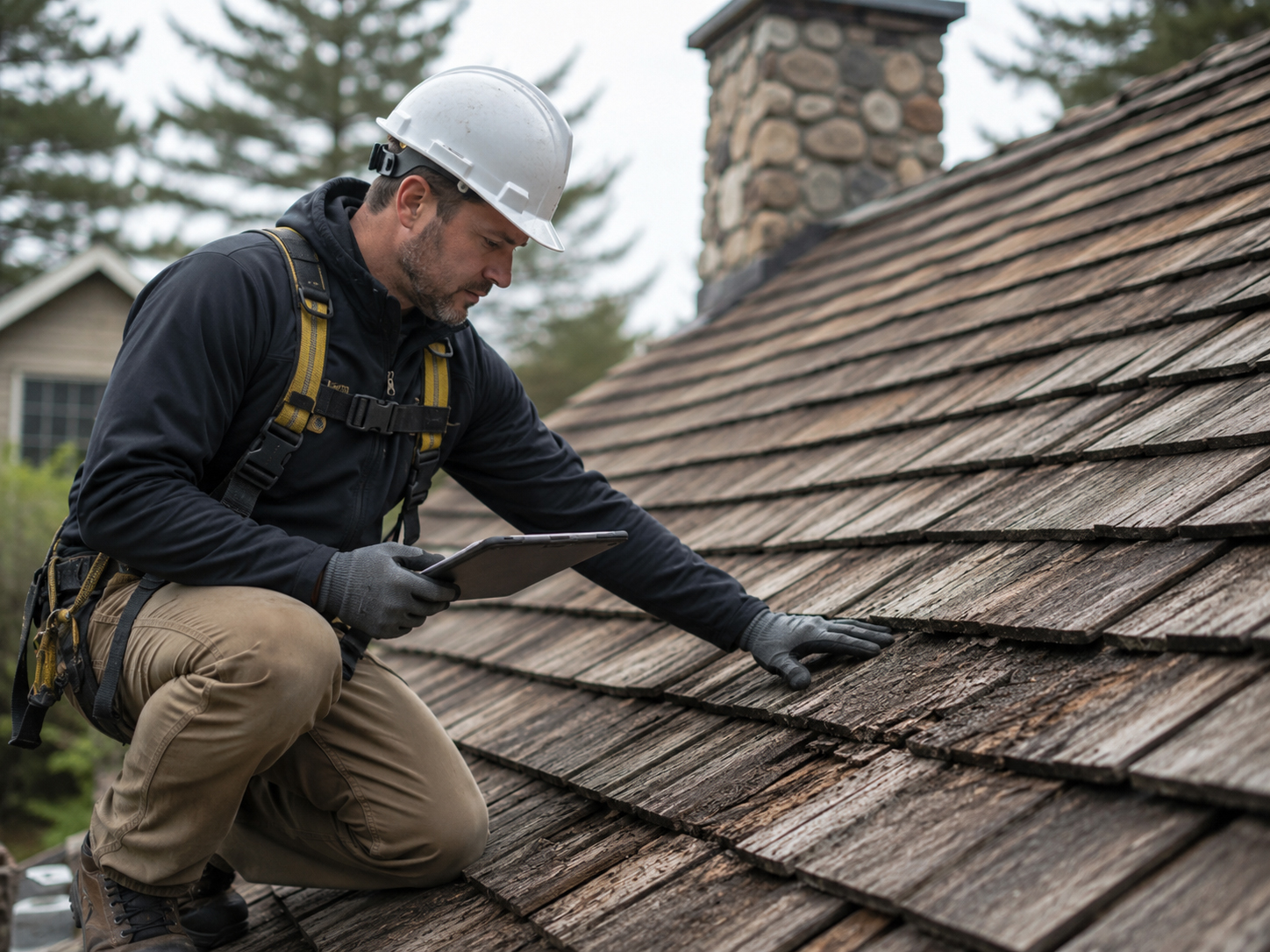
High-caution roof review
Wood shake solar mounting requires serious review.
Wood shake roofs are not ordinary solar mounting surfaces. Before solar is considered, the roof age, condition, fire-safety concerns, waterproofing, structural attachment, access, and future service plan must be reviewed carefully.
Roof-first decision
Wood shake may be a reroof-before-solar conversation.
The question is not only how to mount solar. The question is whether this roof should receive solar now.
Wood shake roofs can be aged, brittle, irregular, combustible, difficult to walk, and difficult to waterproof around attachments. A solar array can make future roof service more complex. For many projects, the safest and most durable path may be to evaluate reroofing before solar installation.
SolarMount.com rule: wood shake roofs require extra caution. Review roof condition, fire-safety concerns, code requirements, waterproofing, and serviceability before recommending any solar mounting approach.
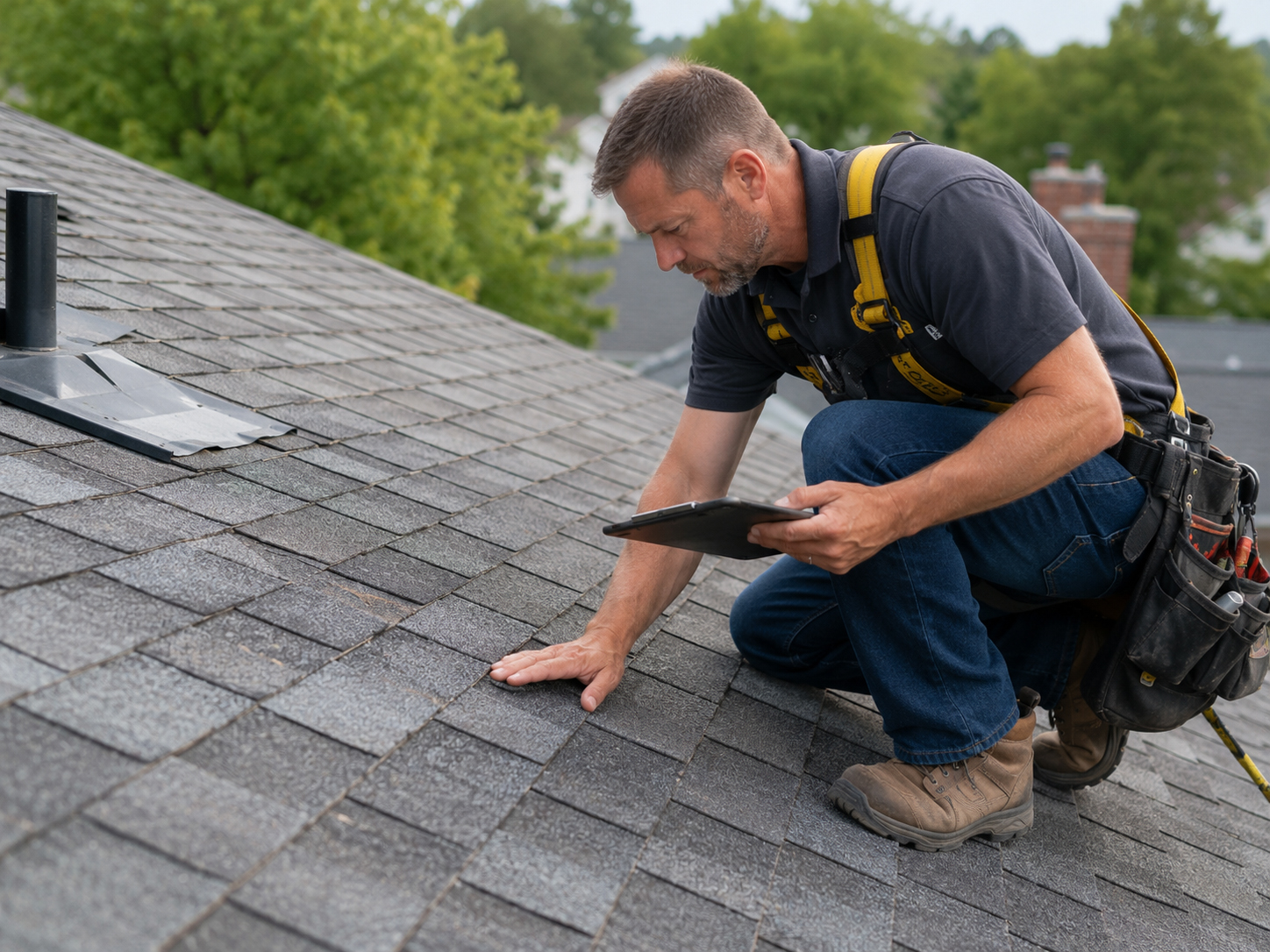
Wood shake checklist
What should be reviewed before solar is considered?
Wood shake roof review should be conservative, practical, and roof-protection focused.
Roof age
Older wood shake roofs may be near the end of service life. Solar should not hide a roof that may need replacement soon.
Shake condition
Review splitting, curling, rot, brittleness, missing shakes, uneven courses, prior repairs, and overall roof integrity.
Fire-safety concerns
Wood shake requires fire-safety and code awareness before adding electrical equipment and rooftop solar hardware.
Waterproofing
Penetrations and flashing details may be more difficult on irregular wood shake surfaces. The roof-protection plan must be clear.
Access and breakage
Walking and staging on wood shake can damage the roof. Installation access must be reviewed before layout is finalized.
Future service
Panel removal, roof repair, leak investigation, and reroofing should be considered before solar is mounted.
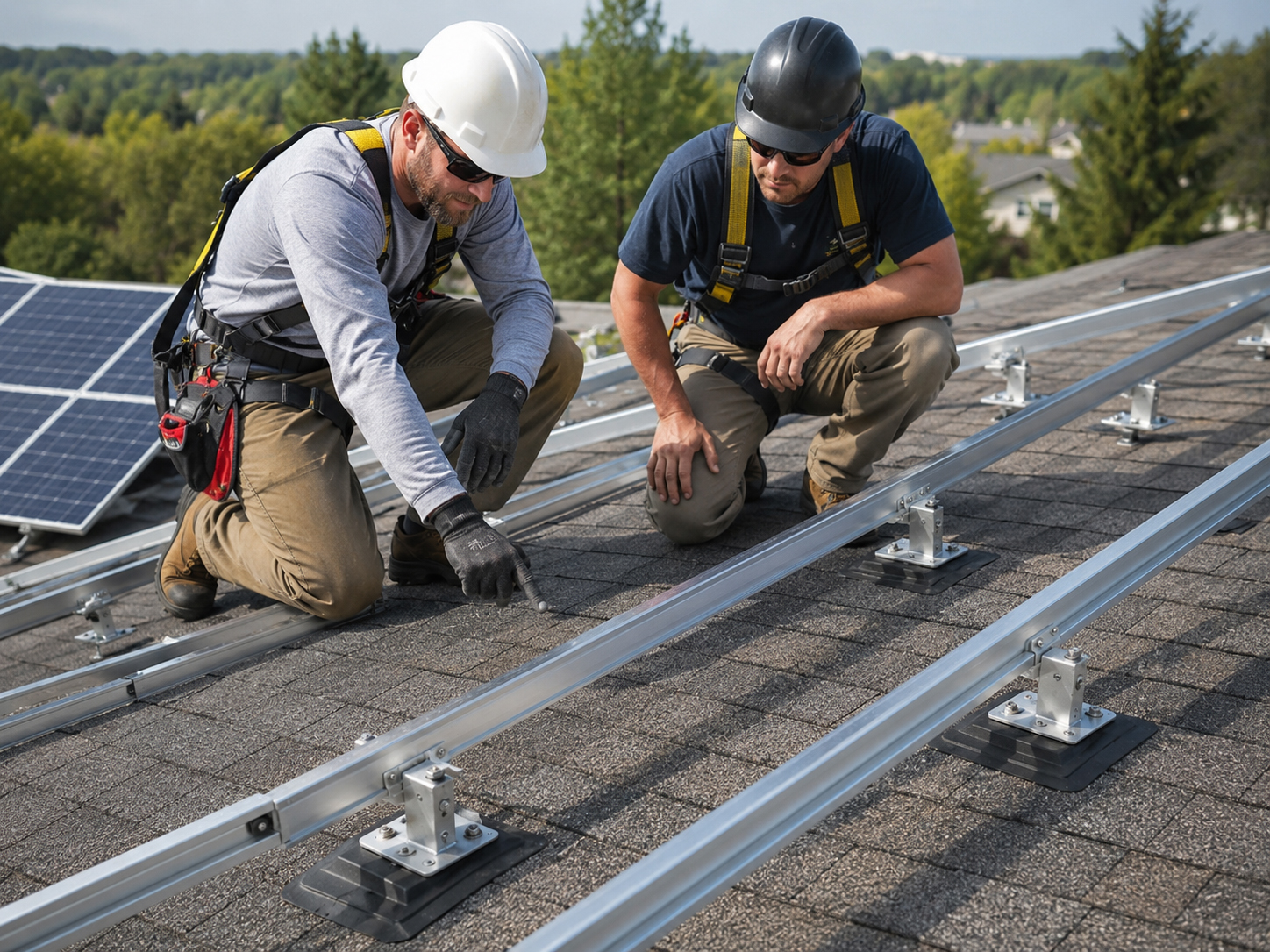
Roofer first
Wood shake projects should involve roofing judgment early.
The solar contractor sees the array. The roofer sees the roof’s remaining life.
A wood shake solar project should not proceed on panel layout alone. A roofer’s review can help determine whether the roof is suitable, whether repairs are enough, or whether reroofing should happen before solar. This protects the homeowner from installing a long-life solar system on a questionable roof.
Plain-language summary: if the roof is old, brittle, combustible, or hard to waterproof, solve the roof question before solar makes the roof harder to reach.
Decision point
When should the answer be “reroof first”?
A wood shake roof may need a roofing decision before any solar design should move forward.
Reasons to pause
- The wood shake roof is old or near end of life.
- There are split, curled, brittle, rotted, or missing shakes.
- There are known leaks, stains, or repeated roof repairs.
- The roof is difficult or unsafe to walk.
- Fire classification, local rules, or insurance concerns are unclear.
- Future reroofing is likely within the life of the solar system.
Questions to answer
- Is the existing roof a responsible solar mounting surface?
- Will the roof need replacement soon?
- How will penetrations be flashed and waterproofed?
- Can the roof be safely accessed without damage?
- How will future roof service be performed?
- Would a new roof be the better solar foundation?
Important: this page is educational. Actual wood shake solar mounting, fire-safety review, roofing decisions, code compliance, waterproofing, structural attachment, and inspection requirements must follow the approved plan set, roofing requirements, manufacturer instructions, local code, insurance requirements, and qualified professional judgment.
Waterproofing challenge
Irregular roof surfaces make waterproofing more important.
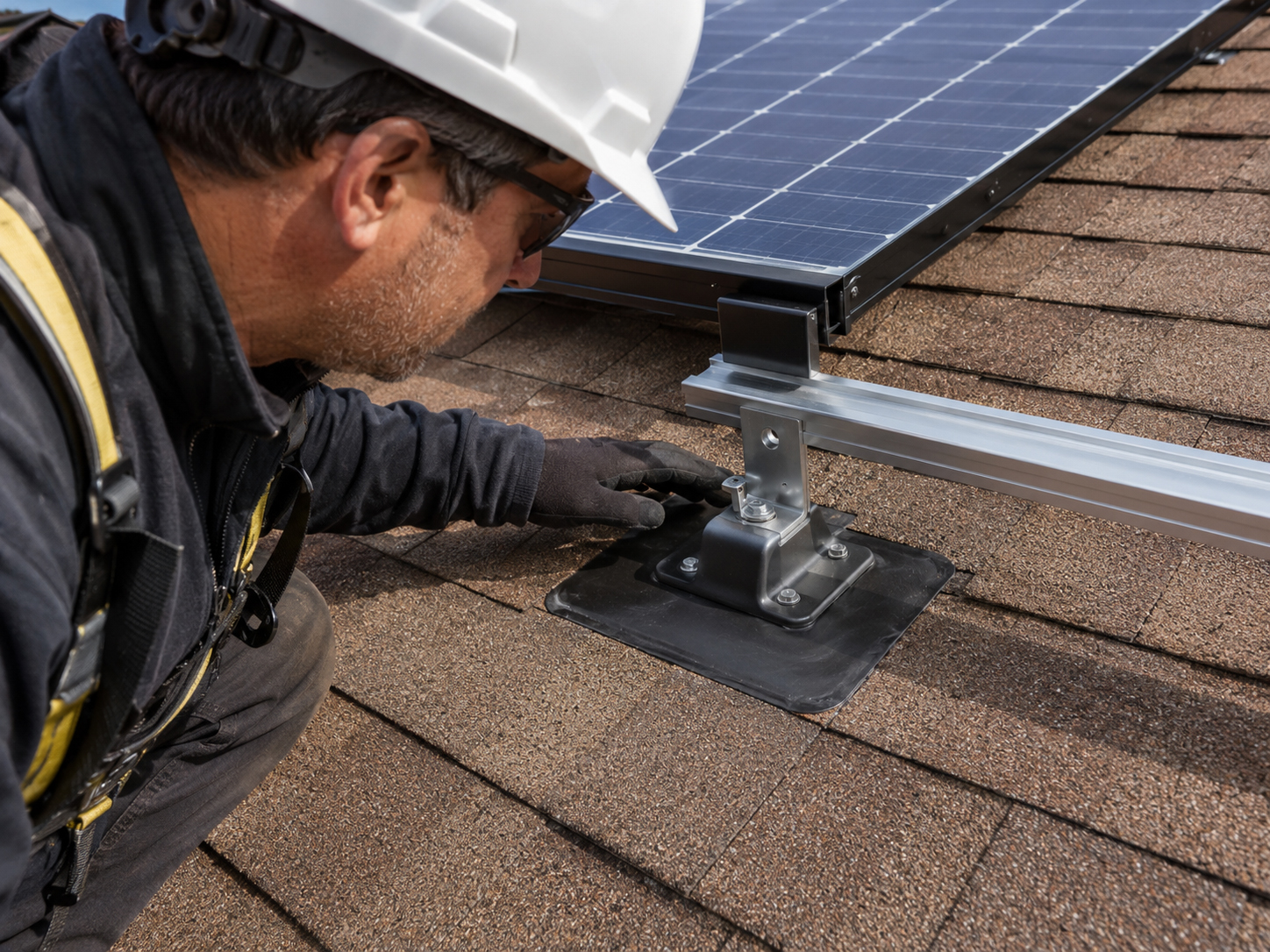
A solar mount must protect the roof where hardware interrupts the roof surface.
Wood shake surfaces can be uneven, aged, and variable. That makes mounting and flashing details more sensitive. Sealant alone should not be treated as the plan. The project needs a clear roof-protection method that makes sense for the actual roof condition.
Do not assume the wood shake roof is ready just because panels fit.
Every penetration and attachment needs a roof-specific protection method.
Verify roof-protection details before rails and panels cover them.
Structural and fire awareness
Wood shake review is bigger than attachment hardware.
A safe solar project must consider roof condition, fire classification, electrical code, and structure together.
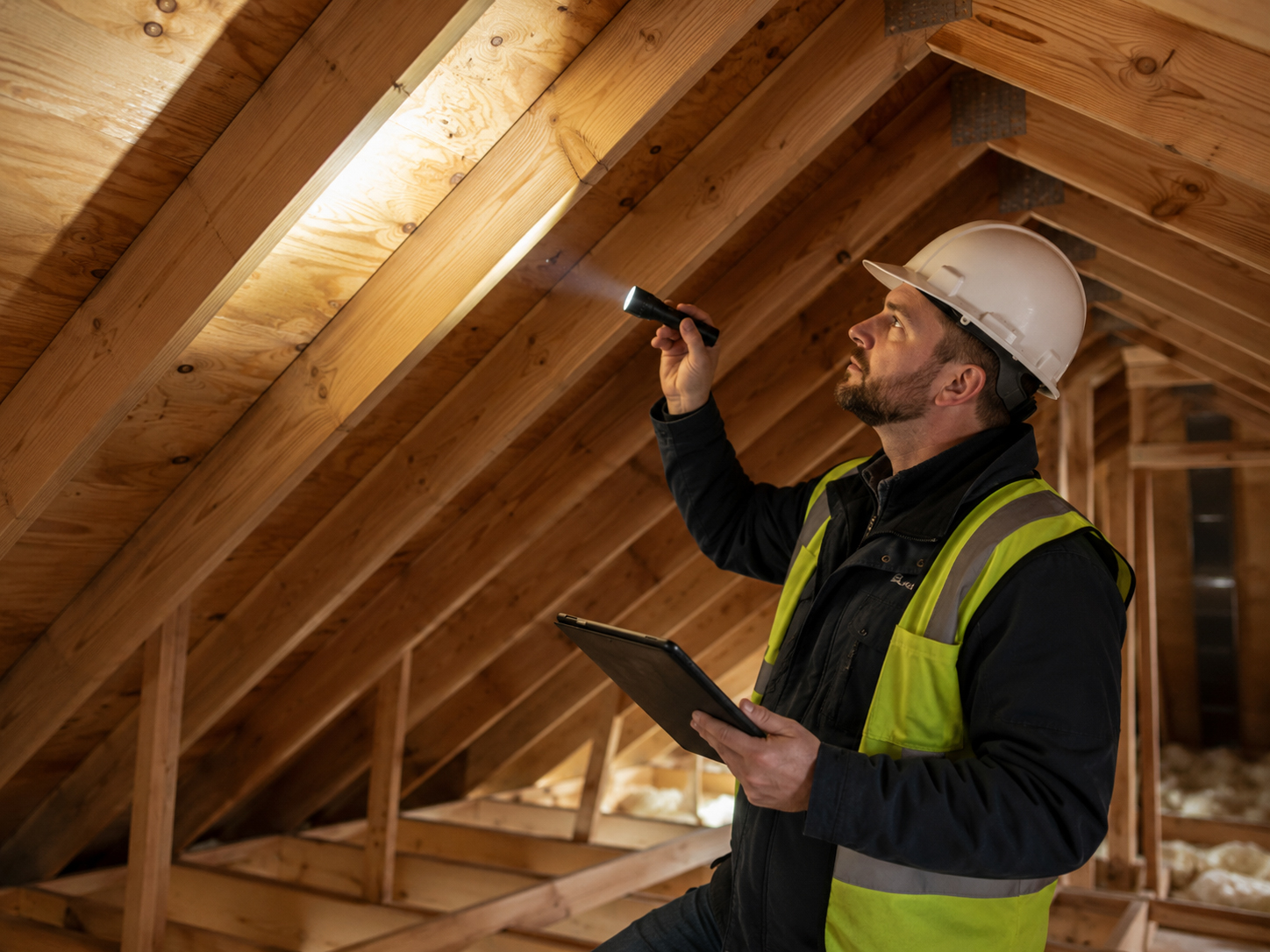
Structural Review
Review framing, load paths, roof integrity, and attachment feasibility.
Roof Condition & Age
Do not install long-life solar over a roof that needs replacement soon.
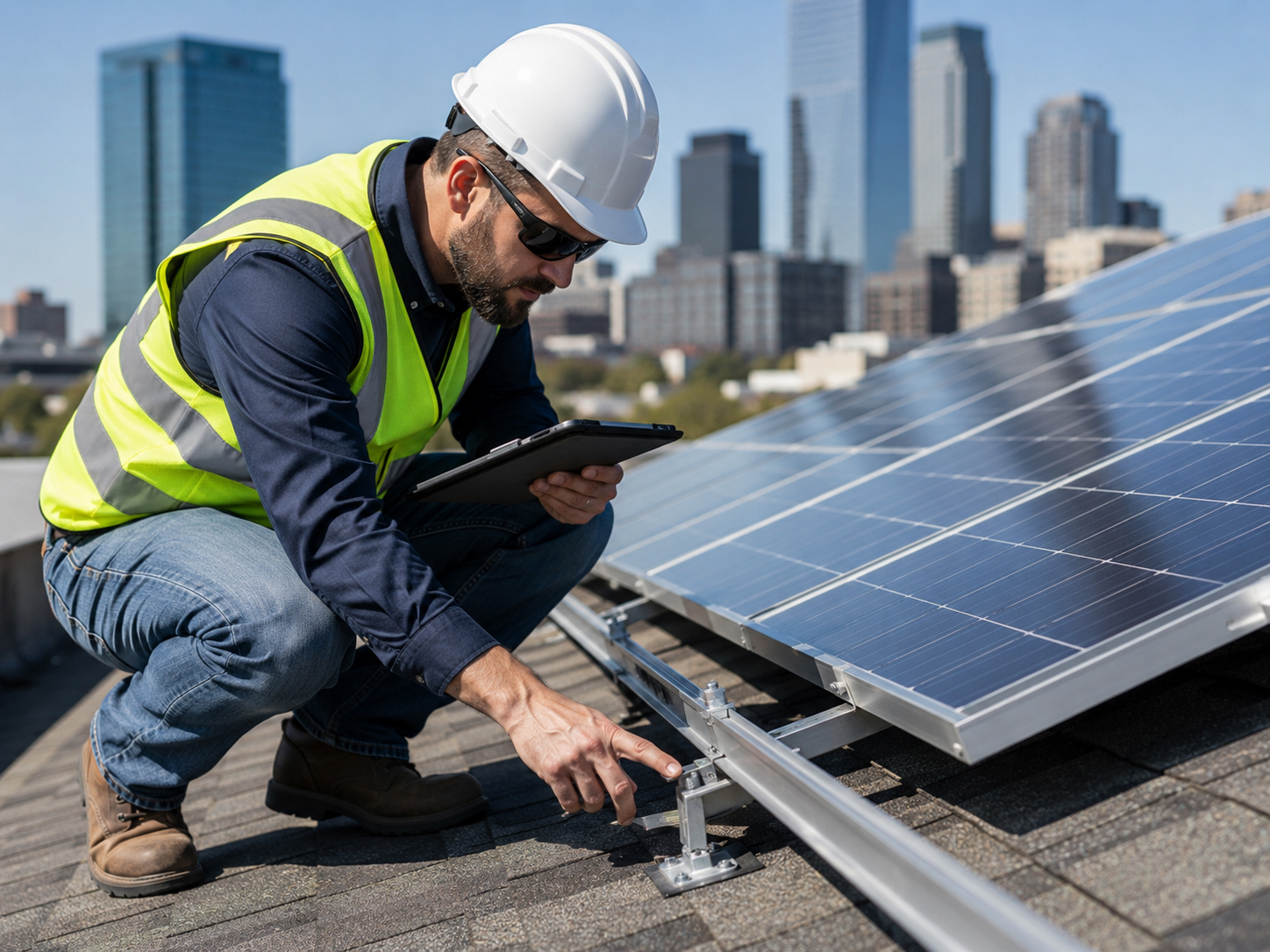
Permit & Inspection
Code and inspection questions should be addressed before installation begins.
Practical rule: wood shake solar should never be treated as routine. The roof material, fire-safety concerns, waterproofing, and permit path need serious review.

Homeowner protection
Homeowners should ask whether solar belongs on this roof now.
The honest answer may be: not until the roof question is solved.
A homeowner can ask whether the roof is old, whether a roofer has reviewed it, whether the roof material raises fire or insurance concerns, whether waterproofing can be handled responsibly, and whether reroofing before solar would be the better investment.
Good homeowner question: “Is this wood shake roof truly ready for solar, or should we reroof first and build the solar on a better foundation?”
Related field guide pages
Continue the wood shake review.
Roof Condition & Age
Decide whether the roof is ready before solar is mounted.
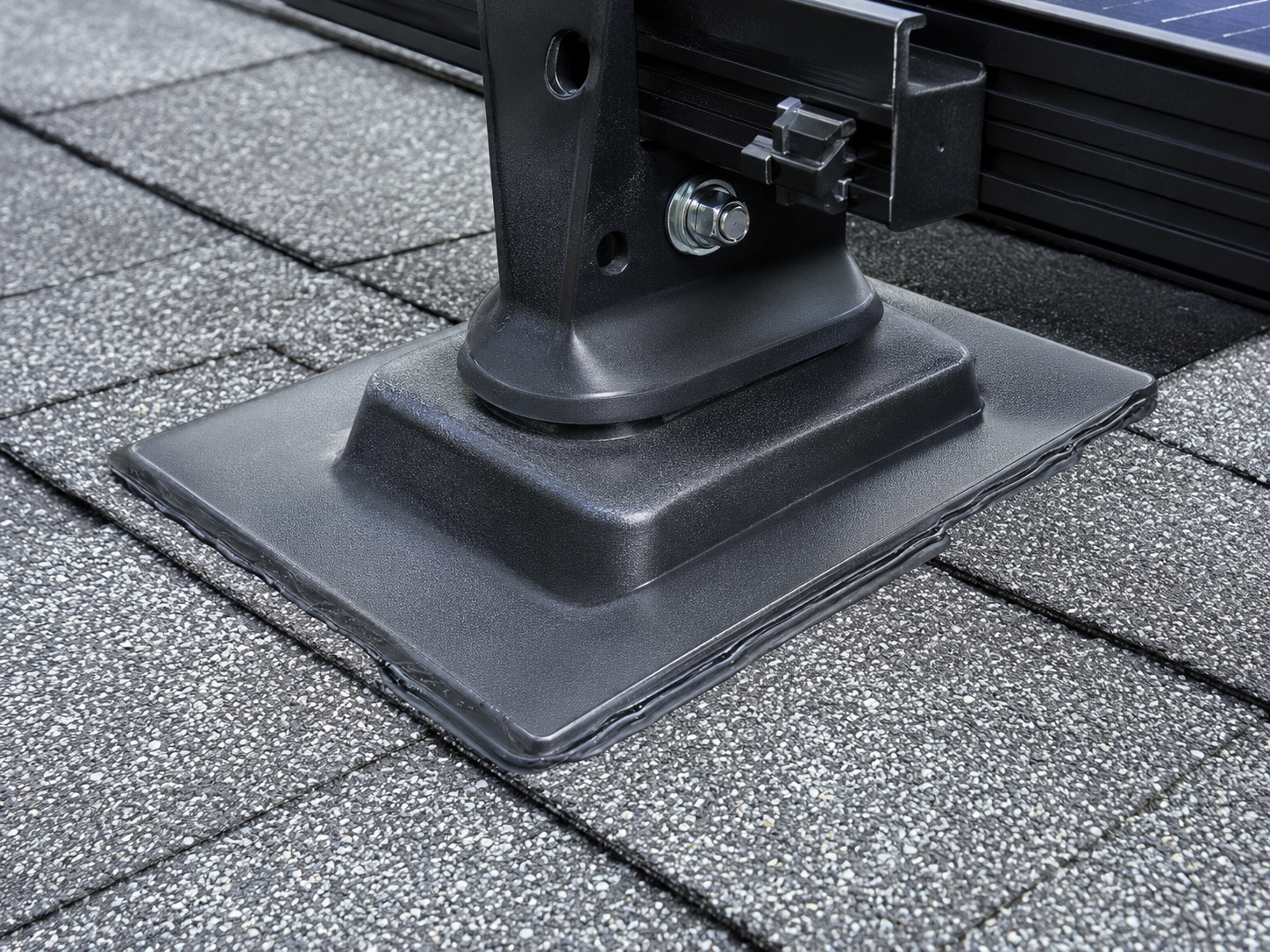
Waterproofing Is Job One
The roof must still protect the building after solar is installed.
Roofer & Solar Contractor
Coordinate roof judgment with solar planning early.
Roof Leak Prevention
Prevent future roof problems before the array covers the work.
Wood shake conclusion
Some roofs need roofing work before solar work.
Wood shake solar mounting requires conservative review: roof age, condition, fire-safety concerns, waterproofing, access, serviceability, and whether reroofing first is the better answer.