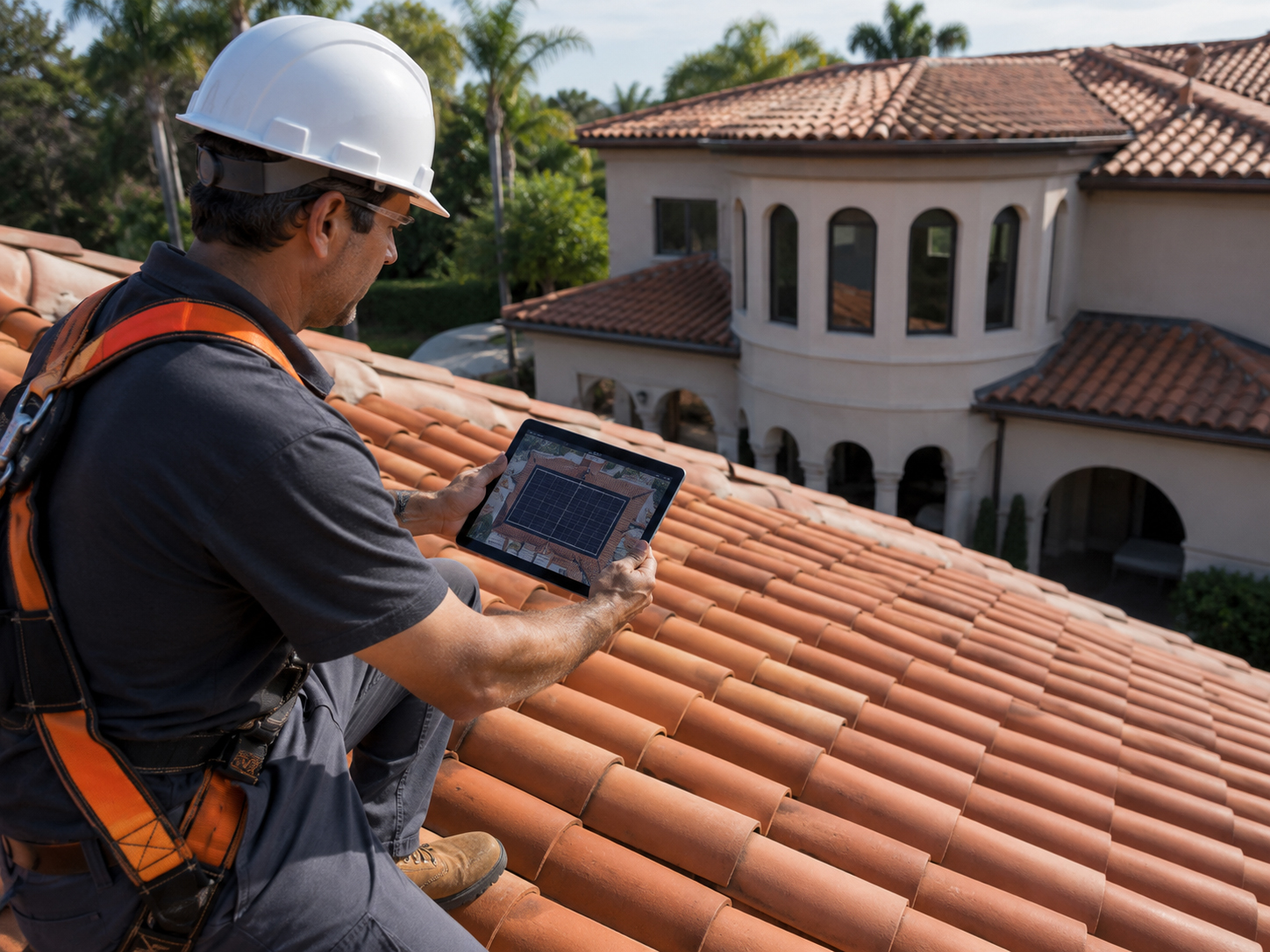
Project-specific roof review
Tile roof solar mounting starts with a careful review.
Tile roofs are not generic solar mounting surfaces. The visible tile, underlayment, roof deck, access path, waterproofing method, and future service plan all matter before a mounting method is selected.
Do not start with hardware
Start with the roof assembly.
Tile roof solar mounting should be selected after the roof is understood.
A tile roof is more than the tiles you see from the street. The roof assembly may include clay tile, concrete tile, S-tile, barrel tile, battens, underlayment, flashing, roof deck, rafters, valleys, ridges, penetrations, and prior repairs. Solar mounting must respect the whole assembly.
SolarMount.com rule: do not force a generic mounting method onto a tile roof. Review tile condition, underlayment, water path, access, roof age, and serviceability first.

Tile roof checklist
What should be reviewed before solar is mounted?
Tile roof review is about preventing avoidable roof damage, water intrusion, access problems, and future service surprises.
Tile type
Identify whether the roof is clay tile, concrete tile, S-tile, barrel tile, flat tile, or another tile profile.
Tile condition
Look for cracked, broken, loose, brittle, mismatched, previously repaired, or hard-to-replace tiles.
Underlayment age
On tile roofs, the underlayment may be the serious waterproofing layer. Its age and condition matter before solar is added.
Access and staging
Tile roofs can be fragile under foot traffic. Plan how the crew will access, stage, and service the array without unnecessary breakage.
Water path
Tile roofs move water through tile channels, laps, flashing transitions, underlayment, valleys, and drainage paths.
Future service
Ask how the roof, underlayment, broken tiles, and solar array will be serviced later if repair is needed.

The hidden waterproofing layer
The tile is visible. The underlayment may be doing the serious waterproofing.
A tile roof can look beautiful from above and still need careful underlayment review.
Tile sheds much of the water and gives the roof its character, but the underlayment is often the layer that protects the building when water gets under the tile. If the underlayment is old, damaged, or questionable, adding solar can make future repair more complicated.
Practical rule: do not let solar panels hide a tile roof underlayment problem. If underlayment age is questionable, review roofing options before mounting solar.
Method selection
The mounting method should follow the roof review.
SolarMount.com keeps the tile roof conversation neutral and practical: review first, select method second.
Before choosing a mounting method
- Confirm tile type and tile profile.
- Review tile condition and replacement availability.
- Review underlayment age and prior leak history.
- Confirm roof deck and rafter conditions where practical.
- Review slope, valleys, hips, ridges, skylights, and obstructions.
- Decide whether roofing work should occur before solar.
Before the array is completed
- Verify the chosen method matches the roof-specific plan.
- Verify waterproofing details before concealment.
- Verify tile replacement or reset work where applicable.
- Verify roof access and service pathway considerations.
- Document important details with photos where useful.
- Confirm city inspection and permit requirements are satisfied.
Important: this page is educational. Actual tile roof mounting, waterproofing, flashing, underlayment repair, attachment method, structural review, and inspection requirements must follow the approved plan set, manufacturer instructions, roofing requirements, engineering requirements, local code, and qualified professional judgment.
Waterproofing first
The roof-protection plan matters more than the panel count.
A tile roof solar project can fail the homeowner if waterproofing and serviceability are ignored.
The mounting review should explain how the roof will remain protected: how the method interacts with tile, underlayment, flashing, penetrations, water channels, replacement tiles, and future roof access.
Tile, underlayment, deck, rafters, flashing, and drainage all matter.
Choose the mounting approach after the roof-specific conditions are understood.
Verify waterproofing and roof-protection details before the array hides them.
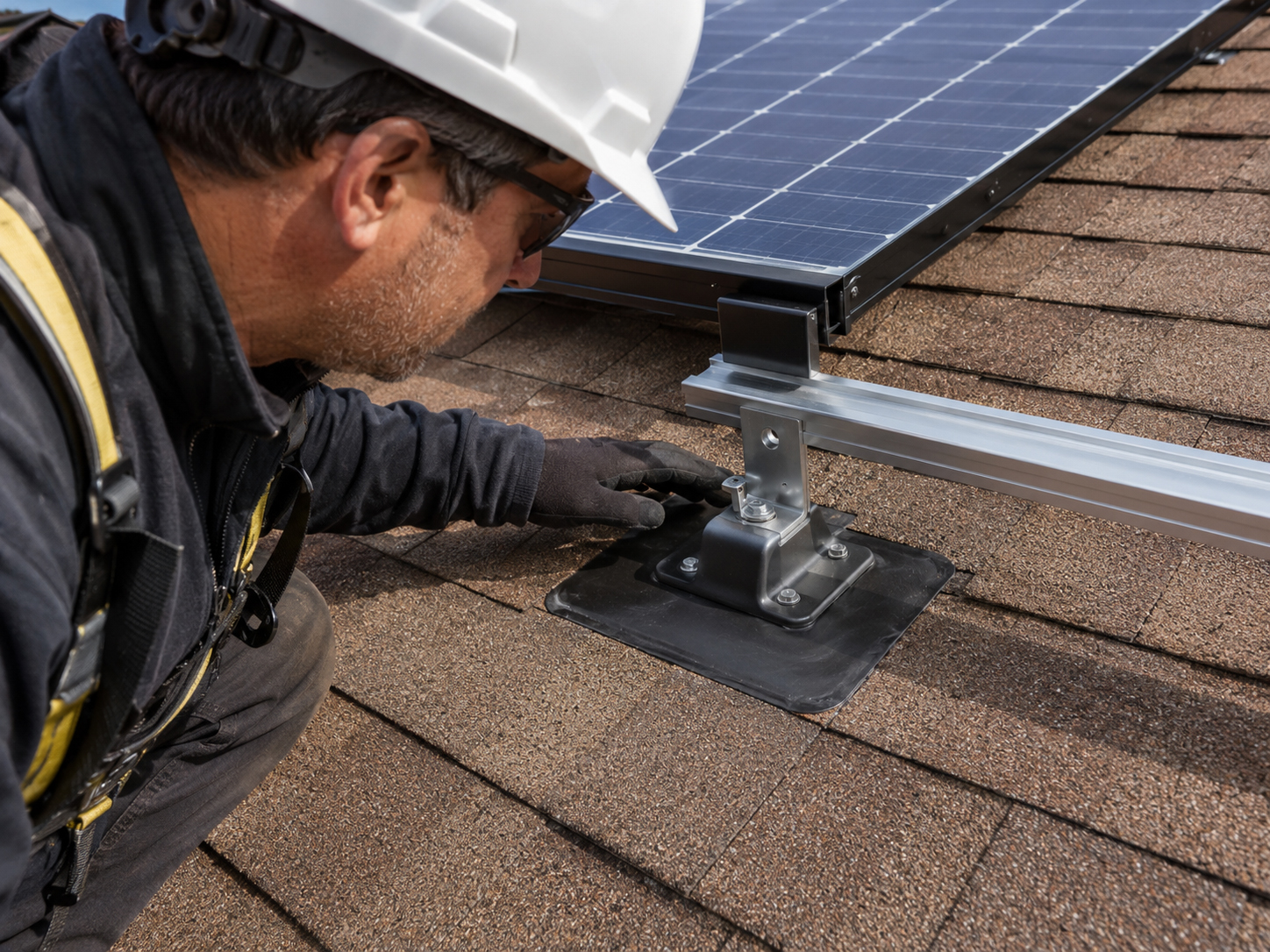
Access and breakage
Tile roofs need careful access planning.
Installation quality is not only about the mount. It is also about how the crew reaches the work.
Tile can break during installation, inspection, or future service. That risk should be addressed with a plan for access, staging, tile protection, replacement tiles, and safe work areas. A beautiful finished array does not help if the roof around it was damaged during the process.
Walk path
Plan how crews will move on the roof without unnecessary tile breakage or unsafe footing.
Replacement material
Tile availability can matter if matching pieces are needed during installation or future service.
Service access
Future inverter, wiring, roof, or array service should be considered before the layout is finalized.
Plain-language summary: a tile roof solar layout should respect both installation day and the service calls that may happen years later.
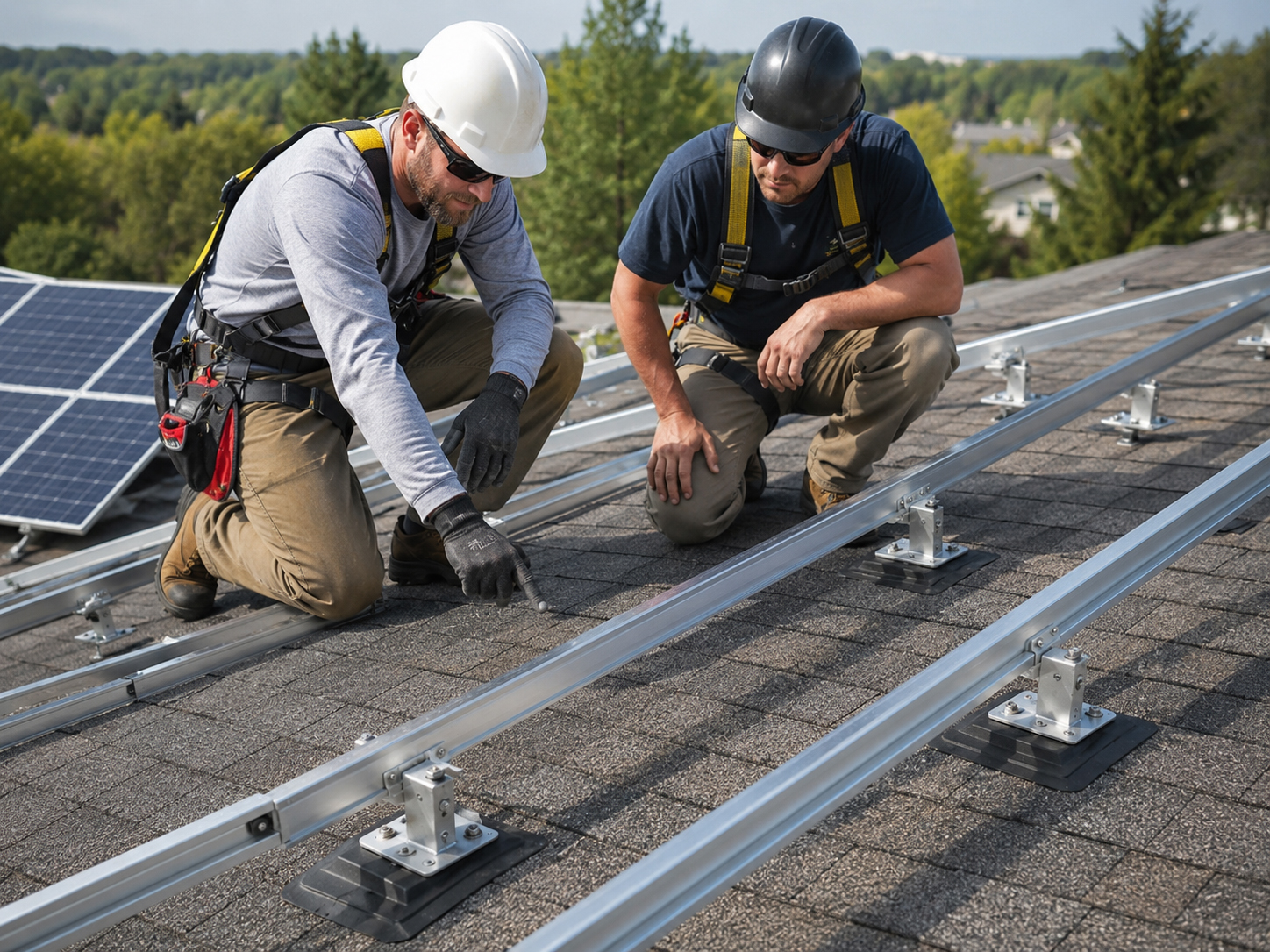
Coordinate with roofing judgment
Tile roof projects often benefit from roofer-solar coordination.
The solar contractor sees the array. The roofer sees the roof assembly and water path.
Before solar is installed on tile, it can be useful to coordinate roof condition review, underlayment questions, tile breakage planning, flashing, replacement materials, and future service expectations. That coordination protects the homeowner and the project.
Practical rule: if the roof condition, underlayment, or access path is uncertain, review the roof before the solar design becomes final.
Tile roof categories
Different tile roofs need different review.
A Spanish tile roof, concrete tile roof, and flat tile roof may call for different planning.
Spanish Tile
Review curved tile profile, underlayment, access, water path, and serviceability.
Concrete Tile
Review tile condition, roof age, underlayment, replacement tile availability, and mounting plan.

Unique Tile Conditions
Hips, valleys, dormers, skylights, steep slopes, and mixed roof materials require extra review.
Homeowner questions
What should homeowners ask before tile roof solar?
The right questions can prevent expensive roof surprises.
Ask whether the underlayment has been reviewed, how tile breakage will be handled, whether replacement tiles are available, how waterproofing will be protected, what gets inspected, and how roof service will be handled after solar is installed.
Good homeowner question: “Is this tile roof and underlayment ready for solar, and how will the roof be protected and serviced after the array is installed?”


Inspection and documentation
The tile roof method should be explainable.
A completed solar array should not leave the roof details mysterious.
The plan set, field installation, roof-protection method, waterproofing details, and service approach should be understandable to the homeowner, installer, roofer, inspector, and future service team.
Plain-language summary: tile roof solar should leave behind a protected roof, not an unanswered question under the panels.
Related field guide pages
Continue the tile roof review.

Tile roof conclusion
Review the tile roof before choosing the solar method.
Tile type, tile condition, underlayment, waterproofing, access, serviceability, and inspection planning should guide the solar mounting decision.