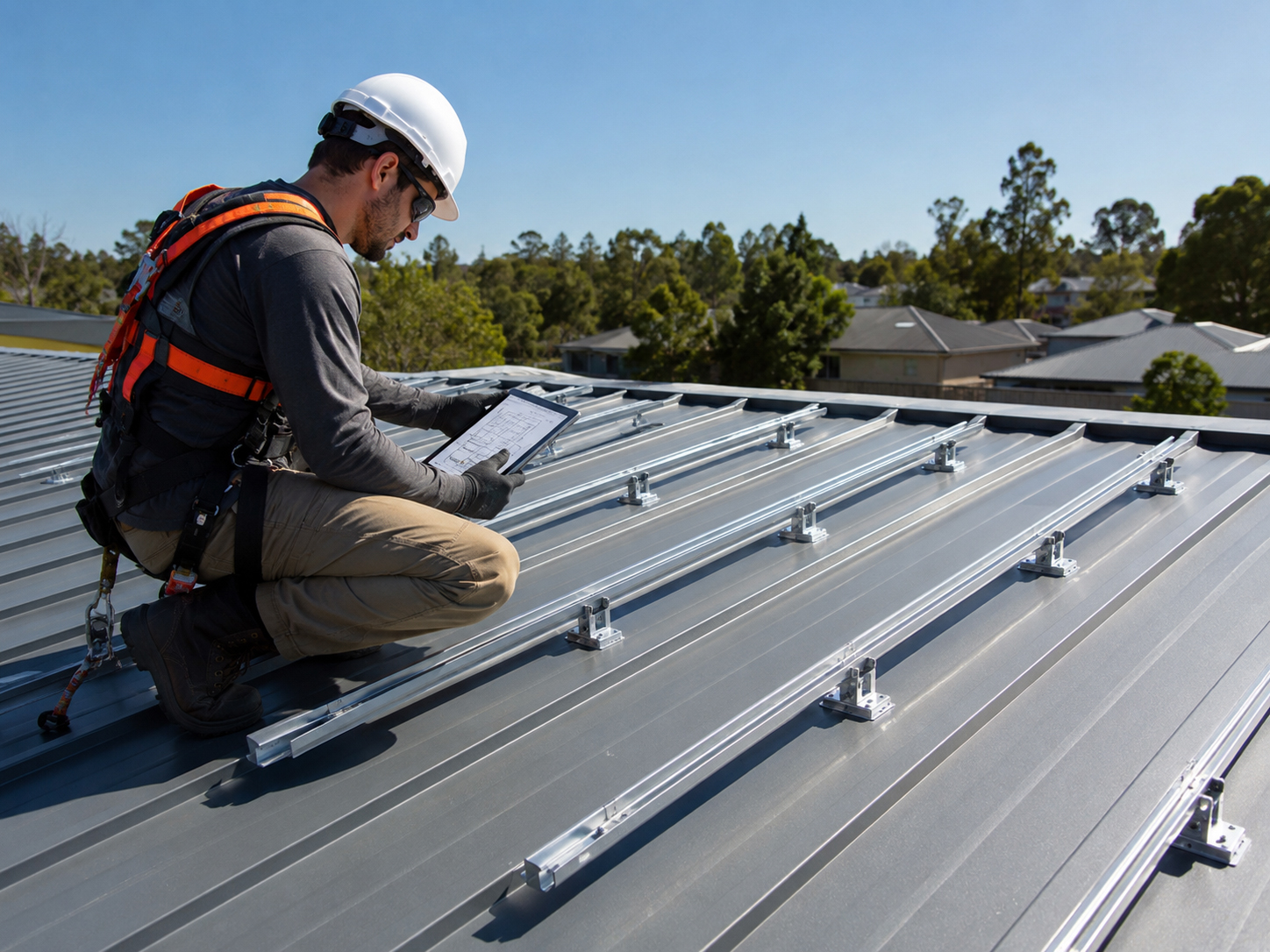
Metal roof field guide
Metal roof solar mounting starts with the roof profile.
Metal roofs can be strong solar candidates, but the mounting method depends on the roof type: standing seam, exposed-fastener panels, corrugated metal, structural metal, coatings, manufacturer requirements, waterproofing, and the approved load path.
Profile before product
“Metal roof” is not one mounting method.
The roof profile determines the conversation.
A standing seam roof, exposed-fastener metal roof, corrugated panel roof, and structural metal roof may all call for different mounting review. Some systems may use clamps. Others may require penetrations, brackets, fasteners, or special manufacturer-approved details. The project should begin by identifying the roof profile and confirming what the roof manufacturer allows.
SolarMount.com rule: do not treat metal roofs as generic. Identify the roof profile, seam type, coating, fastener pattern, structural support, manufacturer guidance, and water path before choosing a solar mounting method.
Metal roof checklist
What should be reviewed before solar is mounted?
The mounting method should be selected after the metal roof system is understood.
Roof profile
Identify standing seam, corrugated, exposed-fastener, metal tile, structural panel, or another metal roof profile.
Seam type
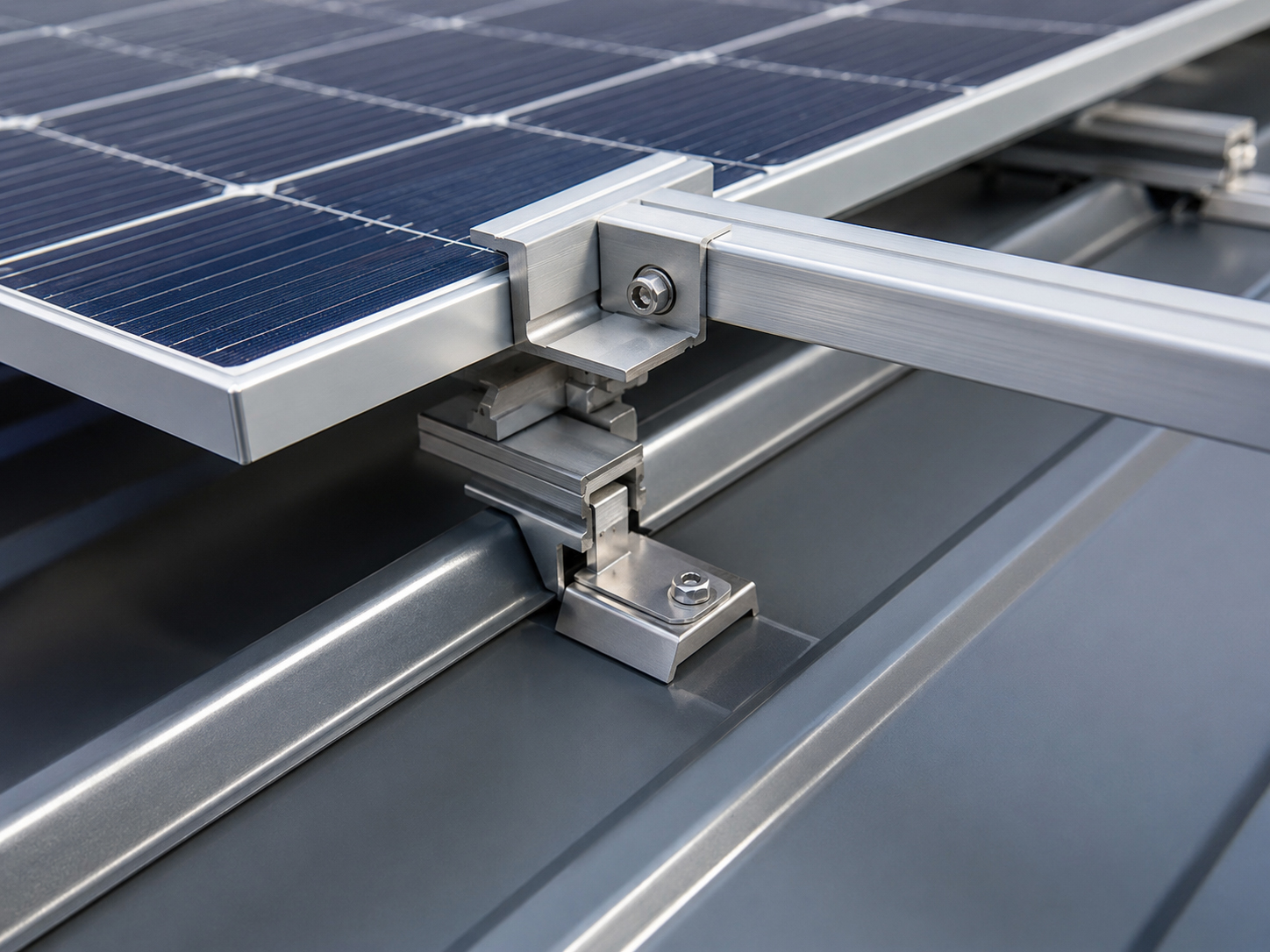
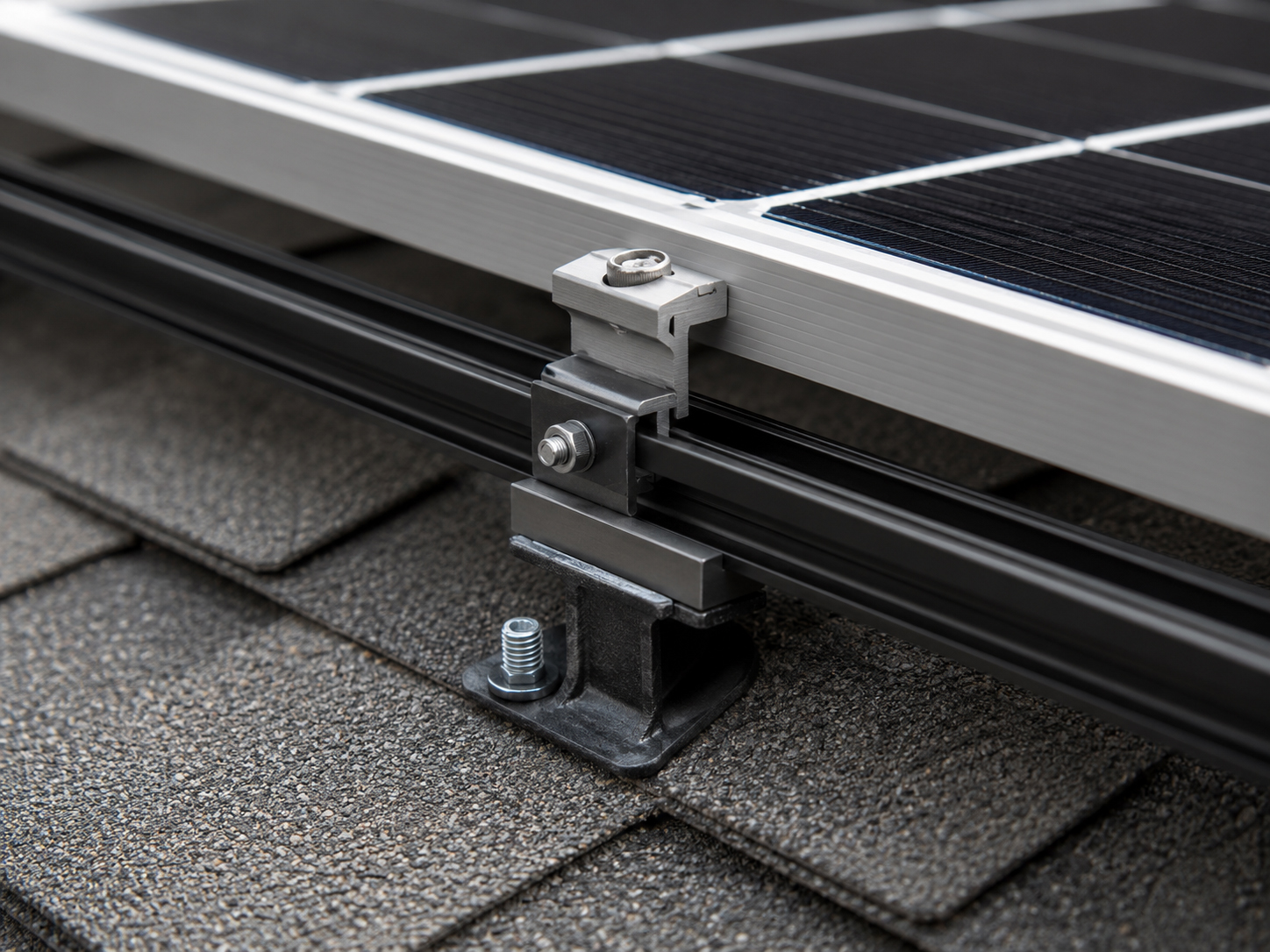
Standing seam clamp options depend on seam shape, seam height, material thickness, and manufacturer-approved clamping limits.
Existing fasteners
Exposed-fastener roofs may already have penetrations. Review fastener condition, washer condition, corrosion, and panel movement.
Coatings and corrosion
Metal roof coatings, galvanic compatibility, corrosion, scratches, and sealant compatibility should be considered before installation.
Structural support
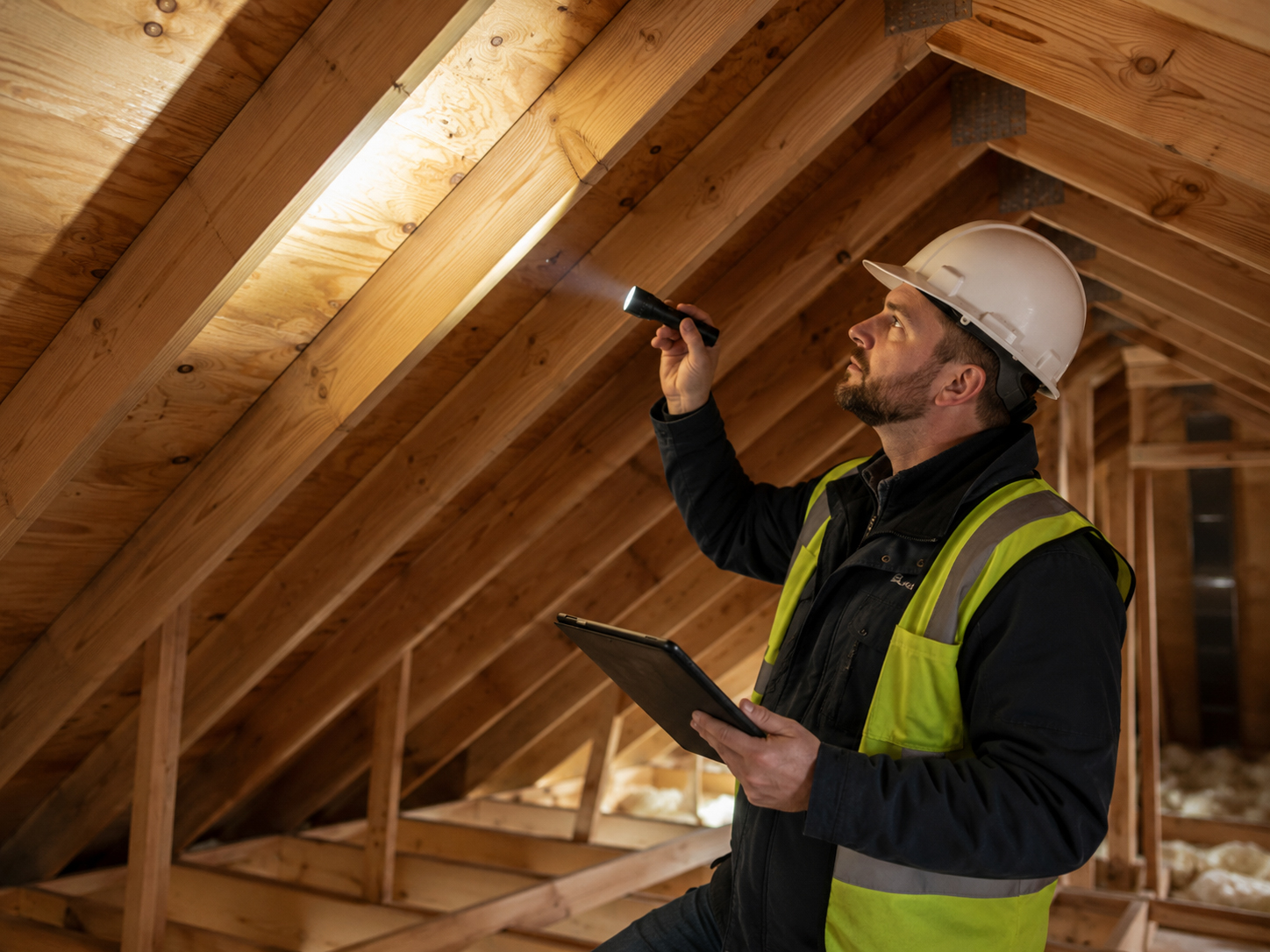
The array loads must transfer into purlins, rafters, decking, clamps, or another approved load path.
Roof manufacturer guidance
Roof warranty, clamp approvals, attachment limits, and penetration requirements should be reviewed before the system is installed.
Standing seam
Standing seam can reduce penetrations, but it still needs review.
Clamp-based mounting is attractive because the roof may not need to be opened.
Standing seam solar clamps can be a strong option when the roof profile, seam strength, clamp manufacturer requirements, roof manufacturer guidance, and engineering assumptions all align. But the clamp must be compatible with the actual seam. A clamp that looks right is not automatically approved for every standing seam roof.
Practical rule: verify the seam profile, clamp compatibility, and approved load path before treating a standing seam roof as “easy.”
Attachment method
Metal roof mounting may be clamp-based or penetration-based.
The roof profile decides which conversation is responsible.
Clamp-based review
- Confirm standing seam profile and roof manufacturer requirements.
- Confirm clamp compatibility with seam shape and material.
- Review seam load capacity and engineering assumptions.
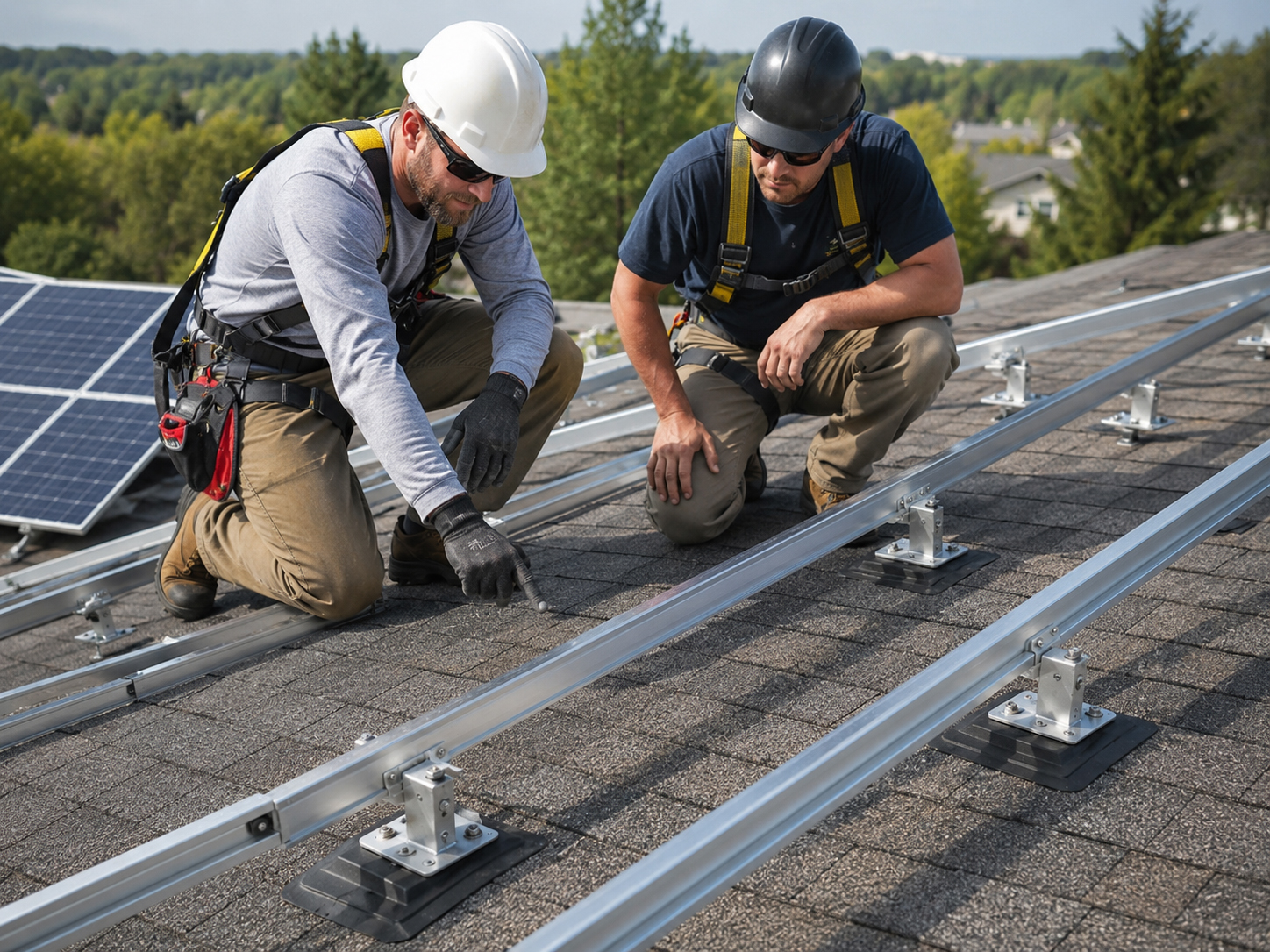
- Confirm rail layout and clamp spacing.
- Confirm grounding/bonding method and manufacturer instructions.
- Confirm that roof warranty questions have been reviewed.
Penetration-based review
- Confirm structural target below the metal panel.
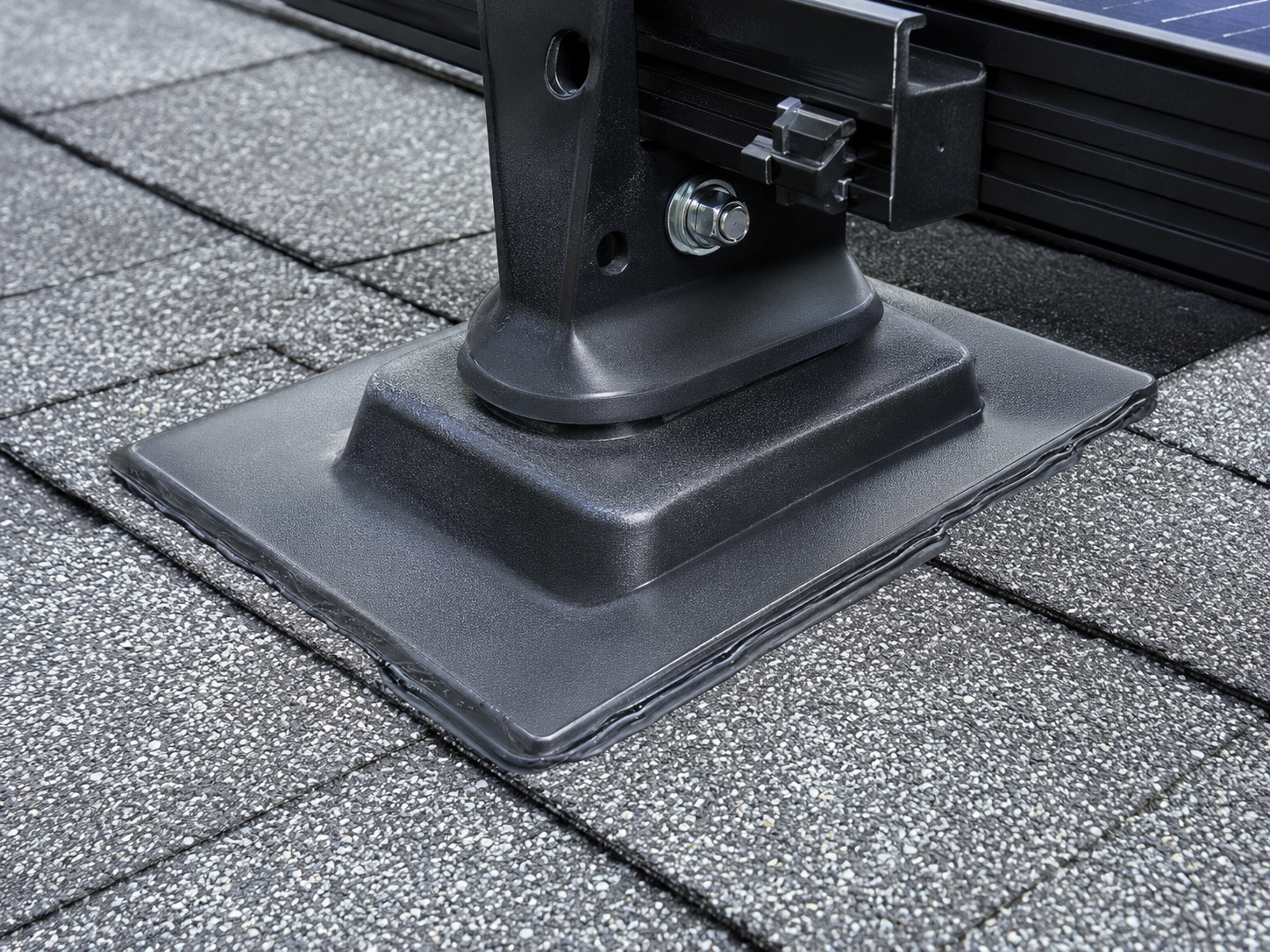
- Confirm approved fasteners, washers, sealants, and brackets.
- Review corrosion and material compatibility.
- Confirm flashing or sealing method for the roof profile.
- Confirm water path, panel movement, and thermal expansion.
- Inspect or document the detail before concealment where needed.
Important: this page is educational. Actual metal roof solar mounting, clamp selection, fastener method, corrosion compatibility, waterproofing, structural review, grounding/bonding, and inspection requirements must follow the approved plan set, manufacturer instructions, roof manufacturer requirements, engineering requirements, electrical code, and local code.
Waterproofing and movement
Metal roofs move, expand, contract, and shed water differently.
The mounting method must respect the roof’s behavior over time.
Metal roofs can expand and contract with temperature changes. Fasteners, brackets, clamps, sealants, and penetrations should be reviewed with that movement in mind. Water can travel along ribs, seams, laps, fastener rows, and valleys. The solar mounting method must not create a new leak path or damage protective coatings.
The attachment method must match the roof shape and manufacturer guidance.
Metal roof expansion, contraction, and panel movement can affect attachment details.
Avoid scratches, corrosion conflicts, and incompatible materials where possible.
Structural path
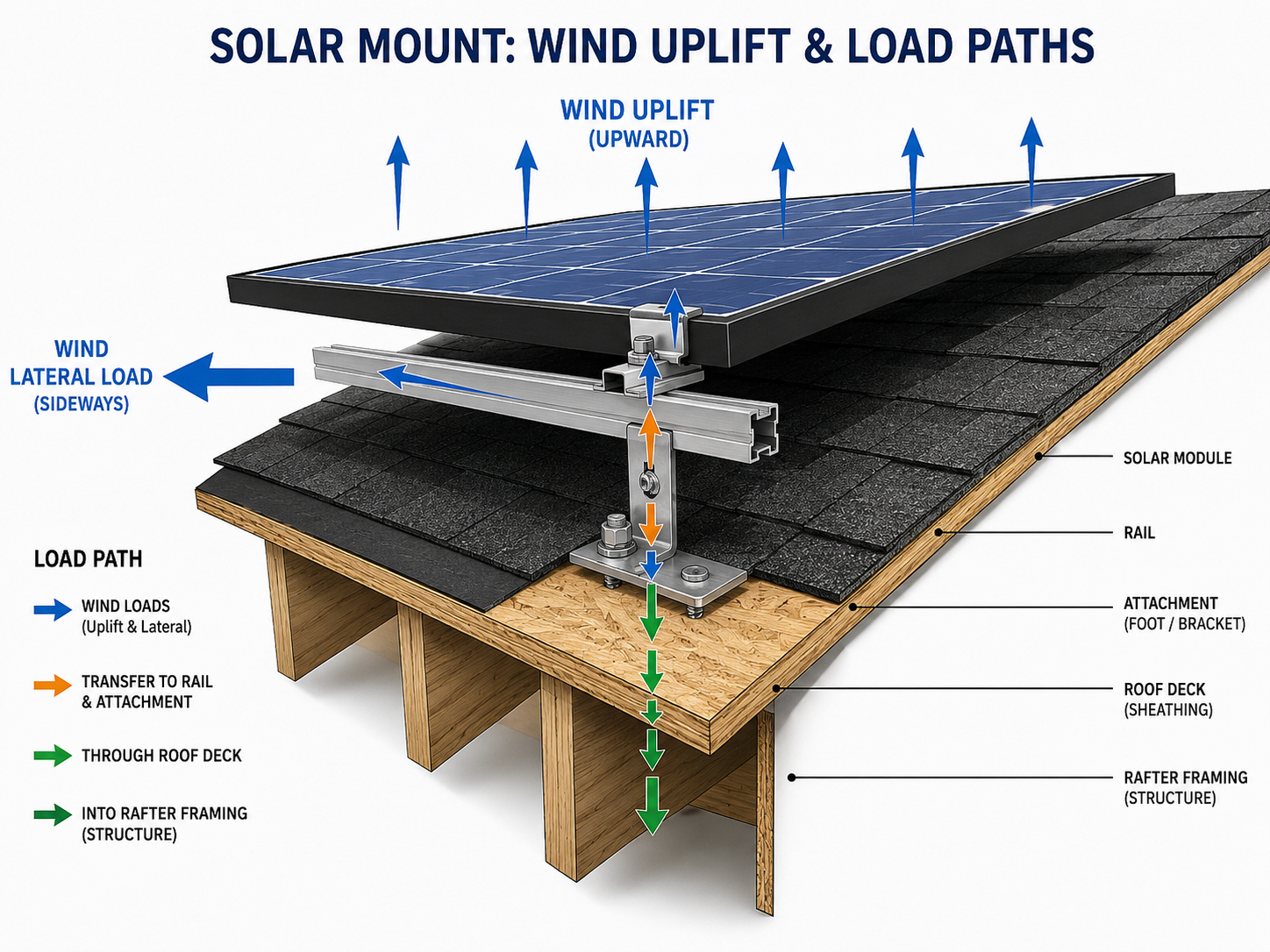
The metal panel is not always the final structure.
Solar loads must transfer into an approved support path.
Depending on the roof system, solar loads may transfer through clamps into seams, through fasteners into purlins, through attachments into rafters, or through another approved structural path. The design must account for wind uplift, dead load, thermal movement, and manufacturer limits.
Roofing coordination
Metal roof projects need manufacturer and roofing awareness.
Solar layout should not ignore roof warranty, roof coating, seam design, or existing fasteners.
Before installing solar on a metal roof, the project should review roof manufacturer guidance, warranty limitations, coating condition, fastener condition, seam compatibility, and whether a roofer should be involved in the mounting discussion.
Practical rule: if the roof profile, warranty, seam type, or attachment method is uncertain, pause and verify before installation.
Common metal roof concerns
Metal roof solar can be clean when the details are right.
The risk is assuming all metal roofs are the same.
Wrong clamp
A clamp must match the standing seam profile and manufacturer requirements. Similar-looking seams can perform differently.
Warranty conflict
Roof manufacturer guidance and warranty terms should be reviewed before attachments are installed.
Coating damage
Scratches, incompatible metals, and corrosion paths can reduce roof life if ignored.
Thermal movement
Metal panels expand and contract. Attachment details should respect roof movement over time.
Old fasteners
Exposed-fastener roofs should be reviewed for fastener and washer condition before solar adds complexity.
Unclear load path
The array must transfer wind and weight into approved supports, not just sit on a shiny roof surface.
Homeowner questions
What should homeowners ask about metal roof solar?
The useful questions are practical, not technical theater.
Ask what type of metal roof you have, whether the mounting method is approved for that profile, whether the roof manufacturer allows it, whether penetrations are needed, how corrosion and coatings are protected, and how the system will be inspected and serviced later.
Good homeowner question: “Is this mounting method approved for my exact metal roof profile, and does it protect the roof warranty, coating, and water path?”

Inspection readiness
The metal roof mounting method should be explainable.
The finished array should not leave the attachment method mysterious.
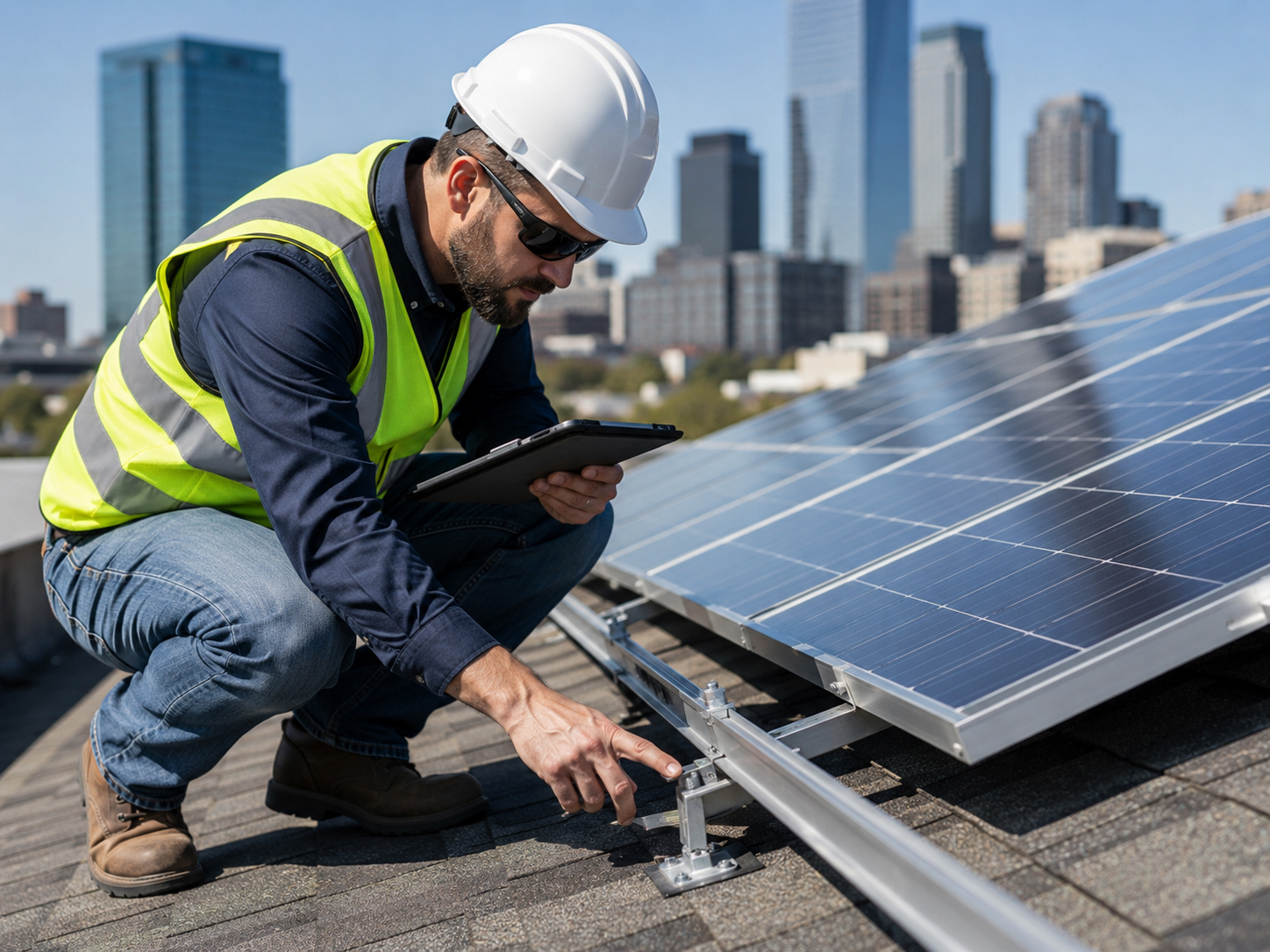
The plan set should identify the metal roof profile, attachment method, clamp or fastener strategy, structural support path, grounding and bonding details, waterproofing plan where needed, and inspection requirements.
Plain-language summary: the inspector, installer, roofer, and homeowner should all be able to understand why this mounting method fits this metal roof.
Related field guide pages
Continue the metal roof review.
Metal roof conclusion
The roof profile decides the solar mounting conversation.
Metal roof solar mounting should begin with roof profile, seam type, clamp compatibility, fastener condition, coatings, corrosion, structural path, manufacturer guidance, and inspection planning.