
Project-specific roof review
Unique roofs need unique solar mounting review.
Hips, valleys, dormers, skylights, steep slopes, mixed materials, old repairs, unusual framing, and limited access can change the entire solar mounting plan. A unique roof should never be forced into a generic layout.
No generic answer
The roof geometry decides the mounting conversation.
A unique roof can be beautiful, valuable, and solar-capable — but it must be reviewed carefully.
Solar design software may see a roof plane. Installers see the real roof: hips, valleys, vents, skylights, ridges, dormers, offsets, brittle materials, mixed roof types, odd framing, limited walking paths, and water-flow complications. Those details affect the mounting method, array layout, wiring path, inspection plan, and long-term serviceability.
SolarMount.com rule: unusual roofs require field judgment. The mounting method should follow the roof, structure, water path, and service plan — not a generic panel layout.

Unique roof checklist
What makes a roof “unique” for solar?
A roof becomes unique when the mounting, waterproofing, access, or structural plan cannot be treated as routine.
Complex geometry
Hips, valleys, ridges, dormers, offset roof planes, and irregular surfaces can limit panel layout and attachment locations.
Mixed materials
Composition shingle, tile, metal, flat roof membrane, and wood shake may appear on the same property or even the same roof system.
Obstructions
Skylights, vents, chimneys, antennas, plumbing stacks, attic fans, and roof equipment can interrupt clean array layouts.
Water path
Valleys, transitions, low-slope areas, crickets, gutters, and drainage paths must be respected before mounting hardware is placed.
Structural uncertainty
Unusual framing, additions, repairs, rafter changes, or inaccessible attic areas can require deeper structural review.
Service access
A tight roof can fit panels but still fail the serviceability test if equipment cannot be reached later.
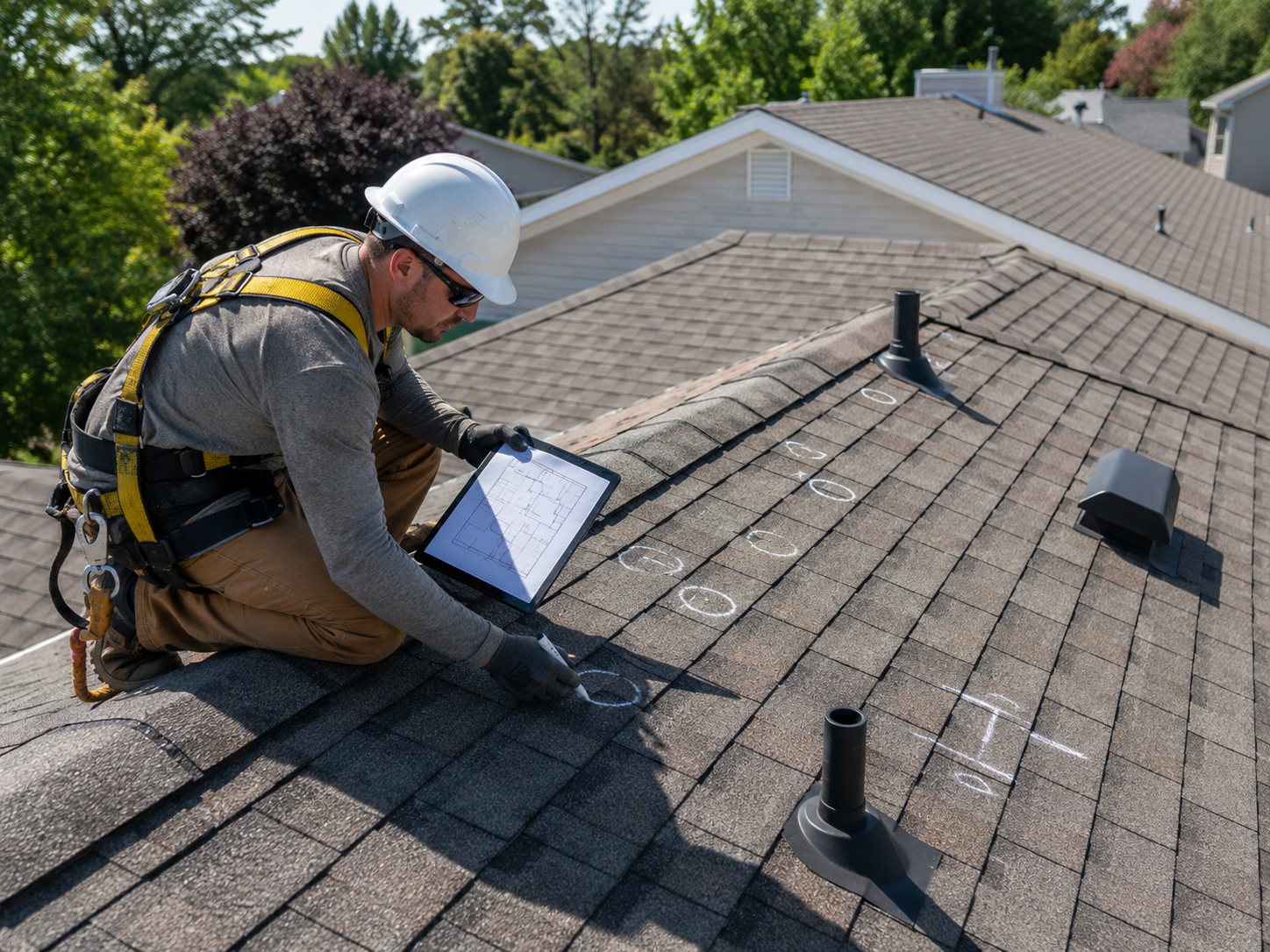
Location discipline
On a unique roof, every penetration needs extra thought.
The wrong roof penetration can create a structural problem, waterproofing problem, or service problem.
Unique roofs often have fewer good attachment locations. A mount may be near a valley, close to an obstruction, too close to an edge, or above framing that does not match the ideal layout. The solution is not guesswork. The solution is field review, layout discipline, and a clear plan before drilling.
Practical rule: if the roof feature makes water movement or attachment unclear, pause and review before making a penetration.
Planning questions
Unique roofs need better questions before design is finalized.
The right questions turn a difficult roof into a manageable project.
Roof and structure questions
- What roof materials are present?
- How old is each roof section?
- Where are the rafters, trusses, or structural supports?
- Are there additions, repairs, or framing changes?
- Are hips, valleys, dormers, skylights, or vents limiting the layout?
- Does any roof section need engineering or roofing review before solar?
Waterproofing and service questions
- How does water move across each roof plane?
- Where are valleys, transitions, and drainage trouble spots?
- Which mounting details will be hidden after panels are installed?
- How will future roof service be performed?
- Can the crew safely access the array without damaging the roof?
- Will panel removal be difficult if the roof needs repair later?
Important: this page is educational. Actual unique roof solar mounting, waterproofing, structural attachment, access planning, engineering, roofing work, and inspection requirements must follow the approved plan set, manufacturer instructions, roofing requirements, engineering requirements, local code, and qualified professional judgment.
Waterproofing first
Complex roofs make water-path review more important.
Solar should not interrupt the roof’s job of shedding water.
Unique roofs often have valleys, transitions, low-slope areas, ridges, sidewalls, skylights, and other features that already require careful waterproofing. Solar mounting should avoid turning those features into hidden leak points.
Understand where water runs, collects, sheds, or transitions before placing mounts.
Valleys, roof transitions, skylights, and edges require extra caution.
Verify flashing and waterproofing details before rails and panels hide them.

Mixed roof materials
One property can require several mounting conversations.
A unique roof may include more than one roof type, and each material changes the plan.
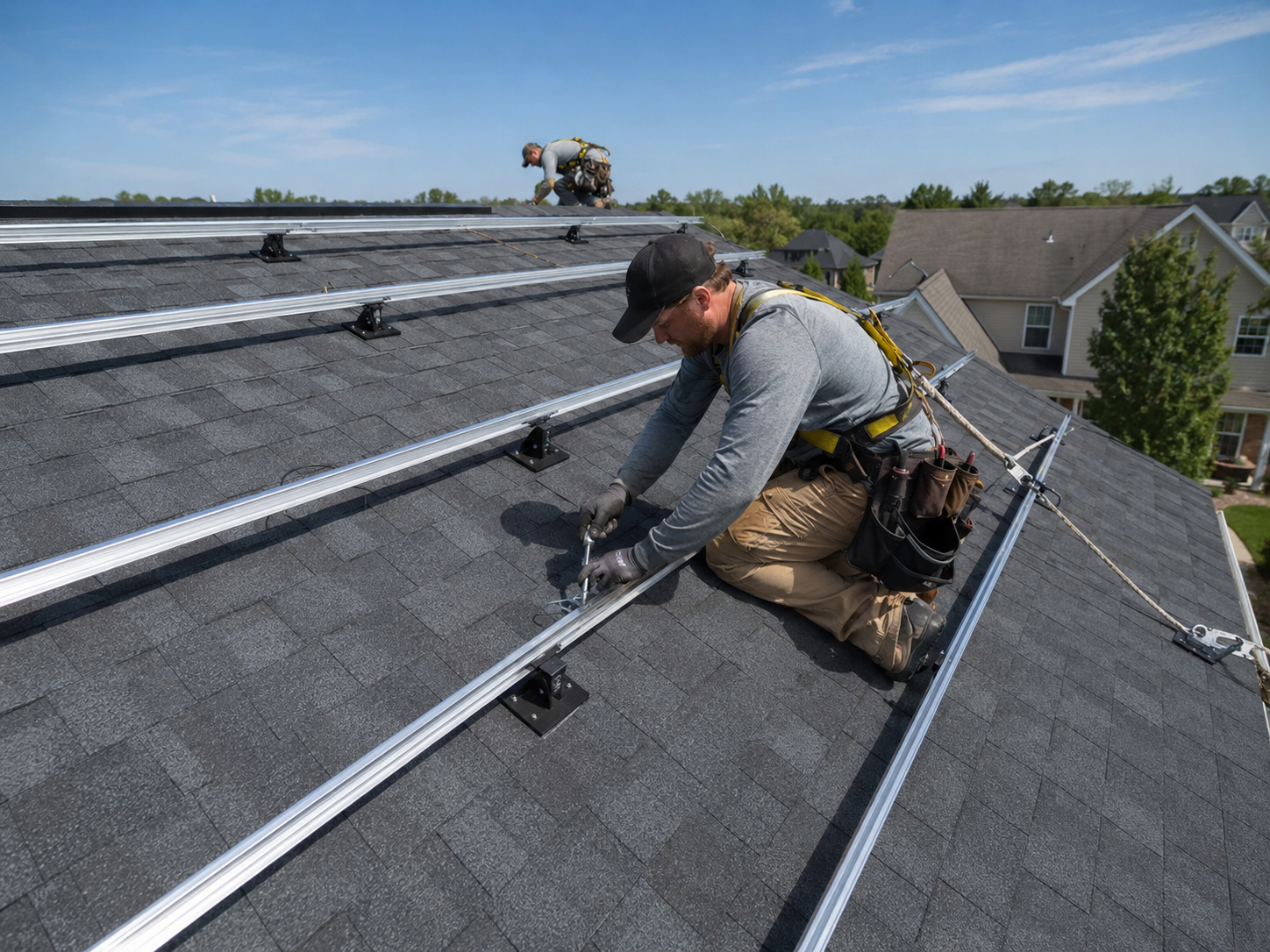
Composition Shingle
Review flashed mounts, rafter attachment, shingle condition, and inspection timing.

Tile Roof Review
Review underlayment, tile condition, access, water path, and serviceability.
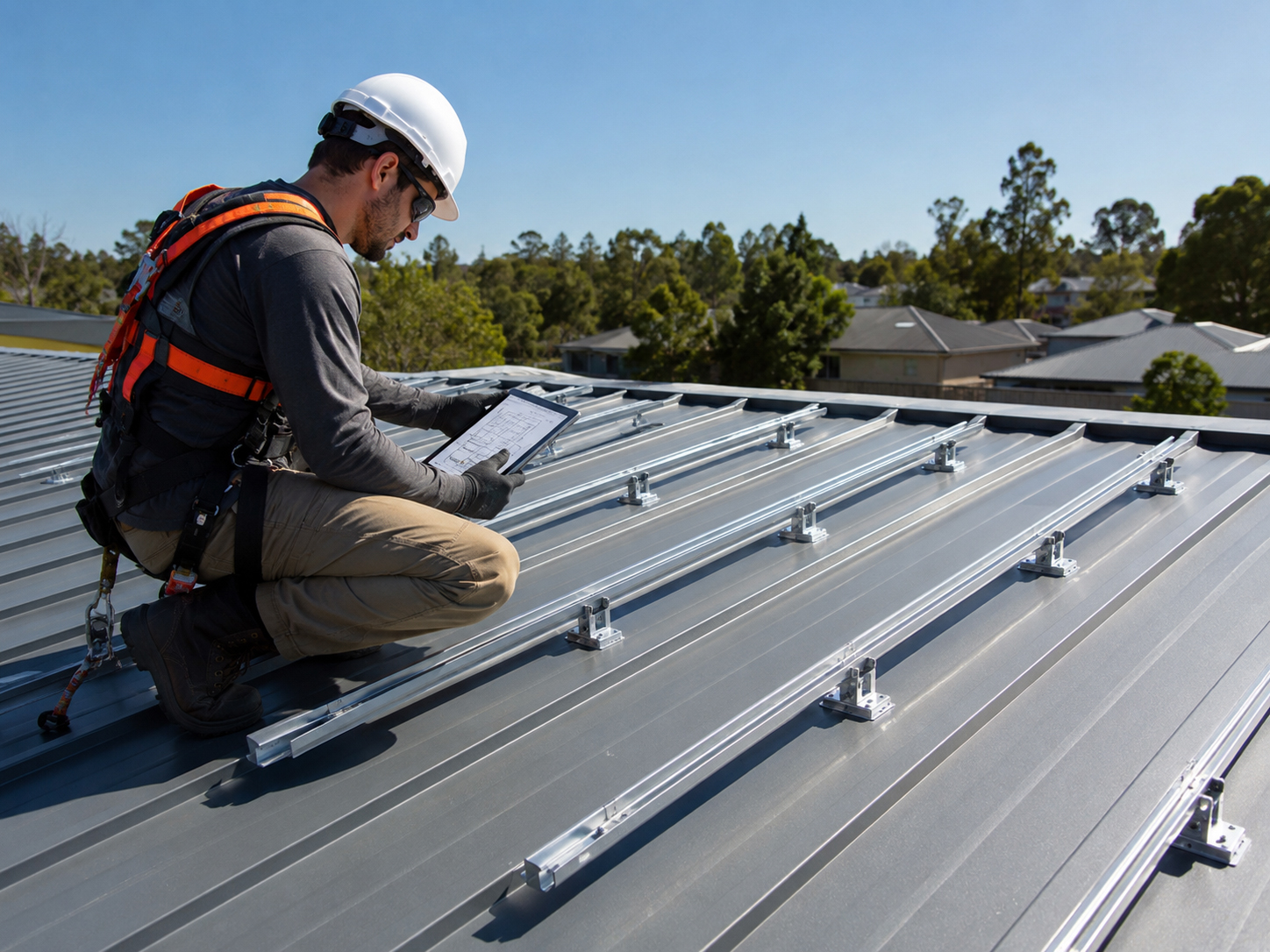
Metal Roof
Review seam profile, clamps, penetrations, coatings, and manufacturer guidance.
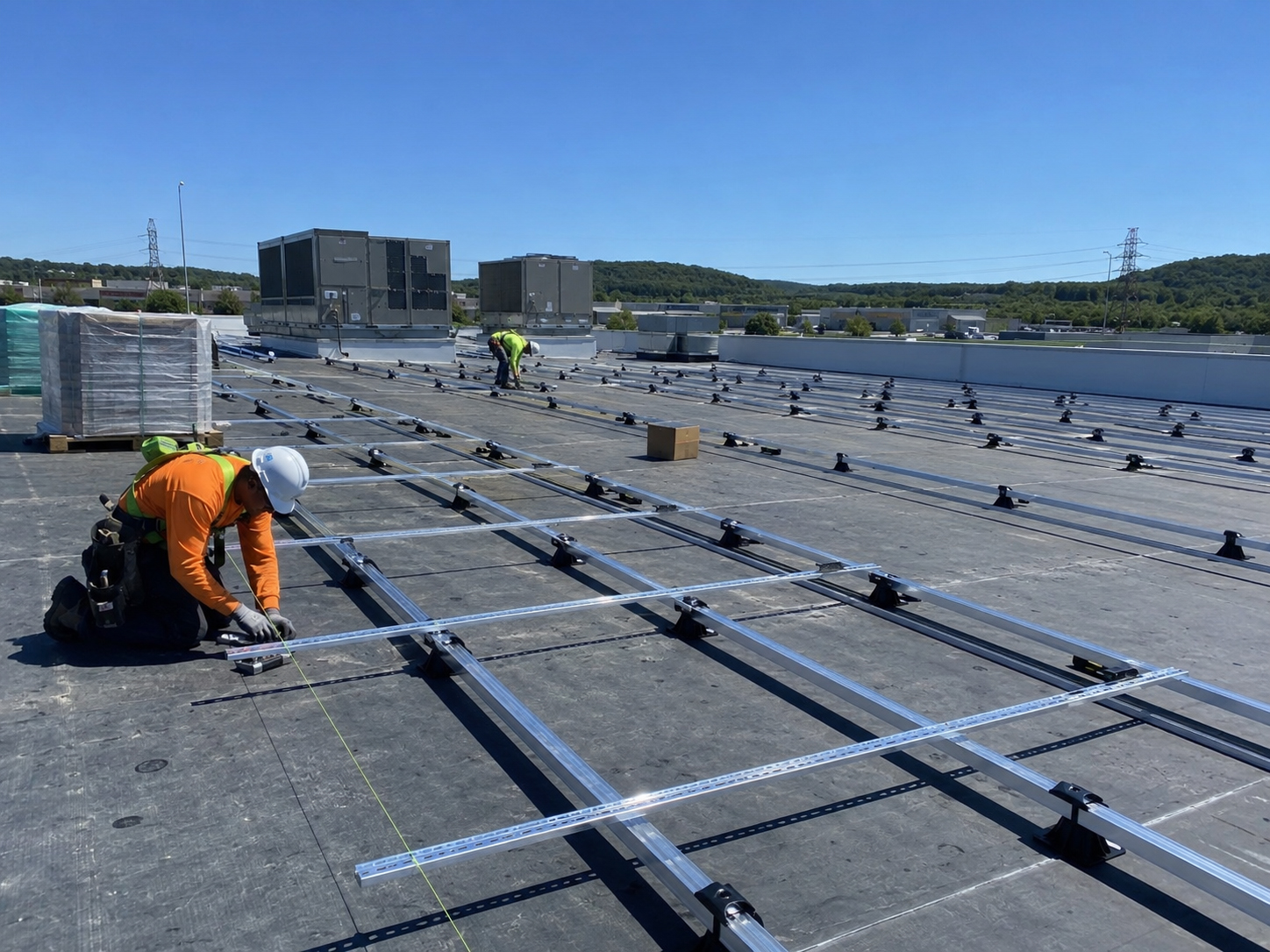
Flat Roof
Review membrane condition, drainage, ballast, roof load, and walk paths.

Wood Shake
Review age, fire-safety concerns, roof condition, and whether reroofing should come first.
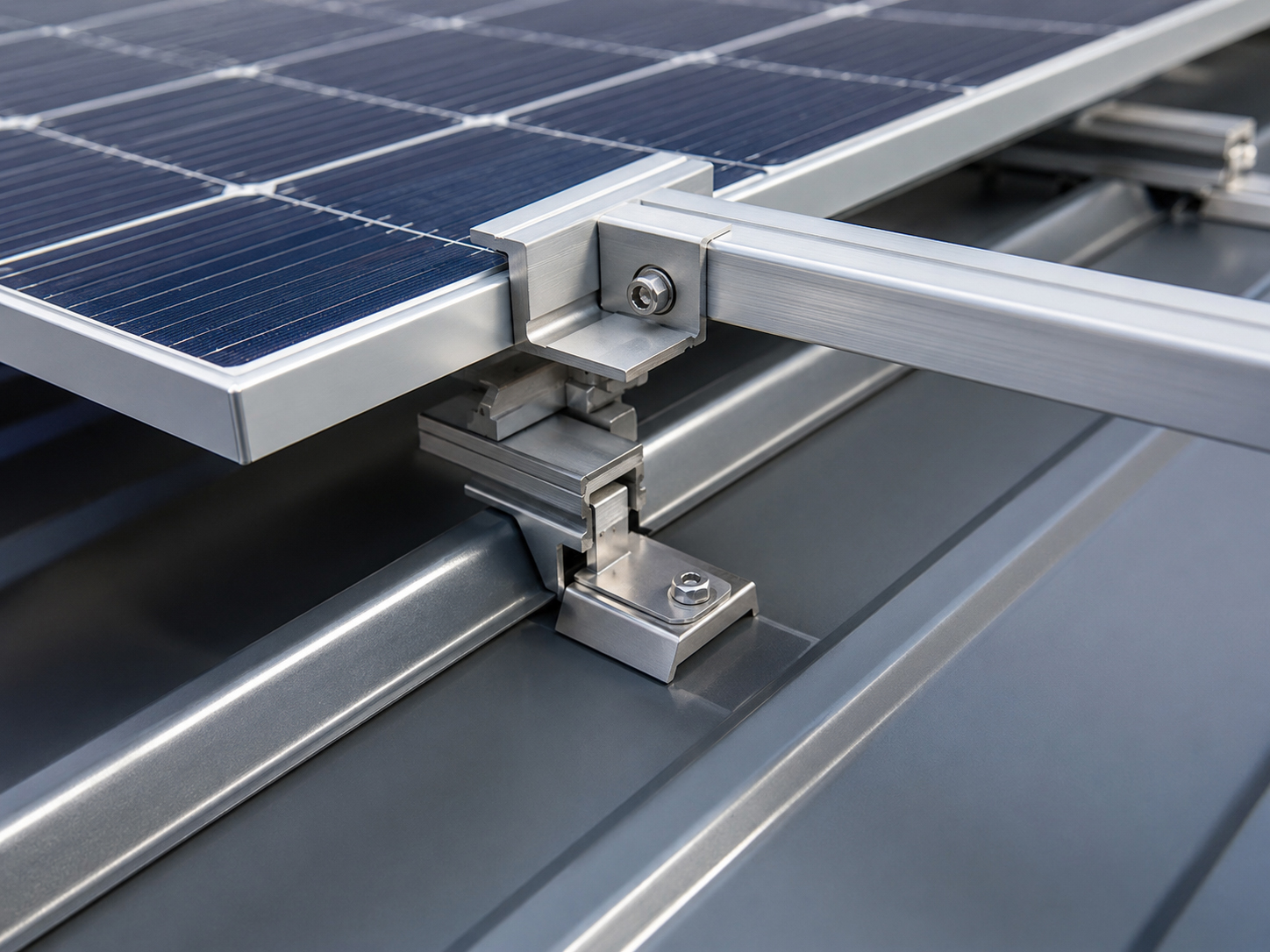
Standing Seam
Review clamp compatibility, seam profile, load path, and roof manufacturer guidance.

Structural uncertainty
Unique roofs often need deeper structural review.
Unusual roof shapes can hide unusual framing.
Dormers, additions, old repairs, vaulted ceilings, mixed framing, cathedral ceilings, long spans, and limited attic access can make attachment planning harder. When the framing is unclear, the design should slow down and confirm the load path.
Practical rule: if the attachment path is uncertain, do not let panel layout make the decision. Confirm the structure first.
Roofer and solar contractor
Unique roofs benefit from trade coordination.
The roofer sees water and roof life. The solar contractor sees array layout and electrical path.
On a unique roof, both perspectives matter. Roofer-solar coordination can help identify roof condition issues, vulnerable water paths, difficult access zones, underlayment concerns, service limitations, and layout changes before installation begins.
Plain-language summary: unique roofs are where coordination prevents expensive surprises.
Layout discipline
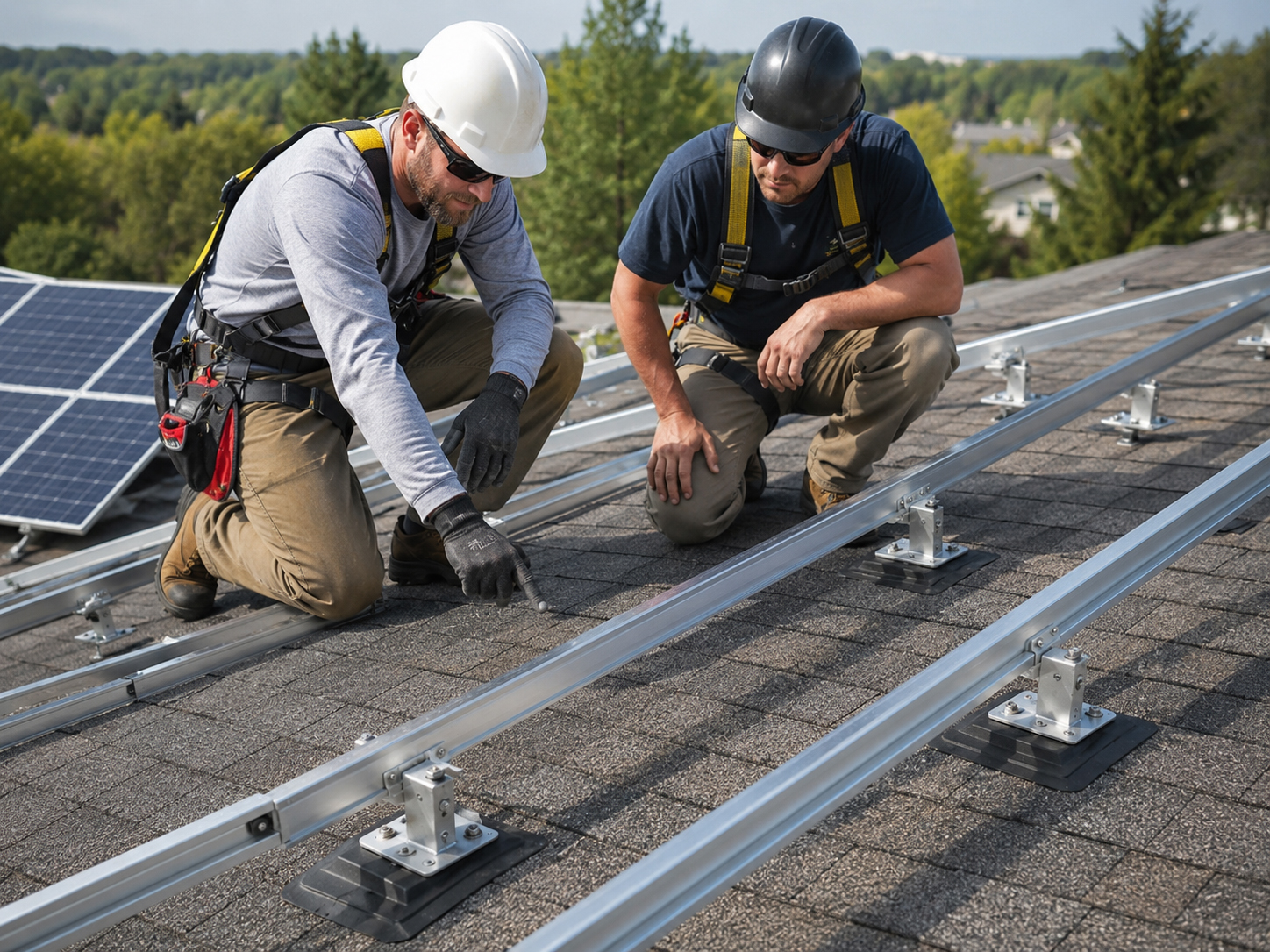
A unique roof may need fewer panels in better places.
Maximum panel count is not always the best installation.
A clean solar layout should balance production, safety, access, roof protection, inspection, electrical routing, fire pathways, aesthetics, and future service. On complex roofs, moving or reducing a few panels can sometimes make the entire installation more durable.
Respect access
Leave practical pathways for installation, inspection, roof service, and future maintenance.
Avoid fragile zones
Do not force mounts into valleys, roof transitions, skylight areas, or poor structural locations.
Plan electrical routes
Wire paths, junction boxes, conduit, and inverter placement should work with the roof, not against it.
SolarMount.com field note: better mounting sometimes means smarter layout, not more panels squeezed into awkward spaces.

Inspection readiness
The unique roof method should be explainable.
Complex does not mean vague.
The plan set and field work should show how the unique roof conditions were addressed: roof type, attachment method, structural review, waterproofing, service access, electrical path, fire pathways, and inspection requirements.
Good field question: “Can the installer, inspector, roofer, and homeowner all understand why this mounting method fits this roof?”
Homeowner questions
What should homeowners ask about unique roof solar?
The right questions keep the roof from becoming an afterthought.
Ask what roof conditions make the project unusual, whether any roof sections should be avoided, whether the structure has been reviewed, how waterproofing will be handled, whether a roofer should review the roof first, and how the system can be serviced later.
Good homeowner question: “What parts of my roof make this installation unique, and how does the mounting plan protect those areas?”

Related field guide pages
Continue the unique roof review.
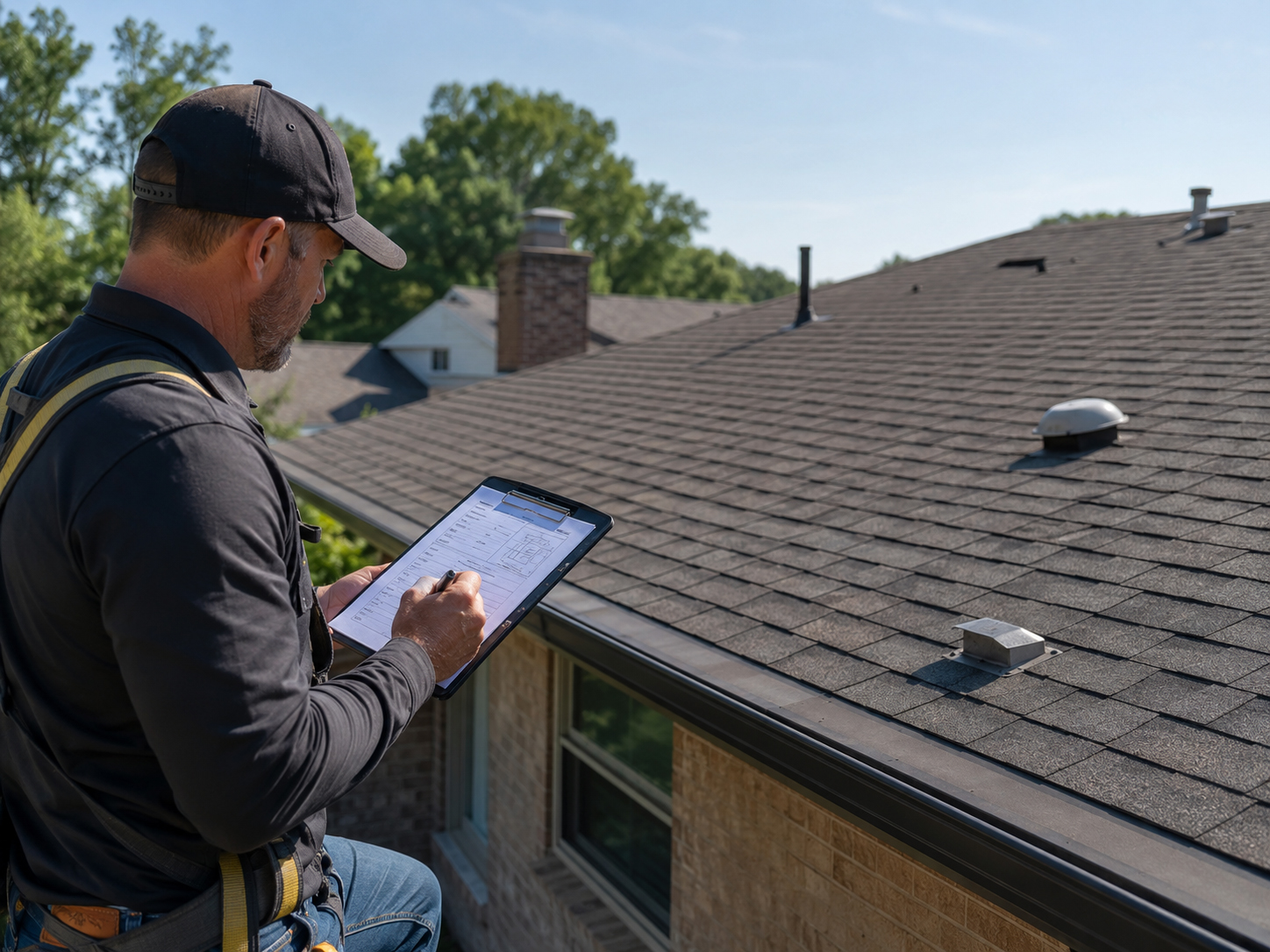
Mounting Checklist
Start with roof condition, structure, access, and waterproofing.
Waterproofing Is Job One
The roof must remain a roof after solar is installed.
Structural Review
Confirm the framing and load path before mounting.

Roof Leak Prevention
Protect vulnerable details before panels cover them.
Unique roof conclusion
Let the roof tell the mounting story.
Unique roof solar mounting should be driven by roof geometry, material, structure, water path, access, inspection needs, and serviceability — not by a generic panel layout.