About SolarMount.com
A field guide for the part of solar that touches the building.
SolarMount.com is a Solar Bible field-guide project focused on solar mounting: roofs, racking, waterproofing, rafters, ballast, ground mounts, carports, structural review, inspection, and long-term installation durability.
Why this site exists
Panels make power. Mounting makes the system last.
Many solar conversations begin with panels, inverters, batteries, rebates, and production. SolarMount.com begins with the place where solar becomes construction.
The roof, rafters, mounting feet, flashing, sealant, rails, clamps, ballast, posts, carport steel, wiring path, and inspection sequence determine whether the system is merely installed or responsibly built. This site explains those physical details in plain language.
SolarMount.com principle: a solar array should protect the building it powers. The mounting method should respect the roof, structure, water path, inspection path, and future service plan.
Field guide focus
What SolarMount.com covers.
This site is not a product catalog and not a generic solar glossary. It is a practical guide to mounting decisions that should be understood before installation.

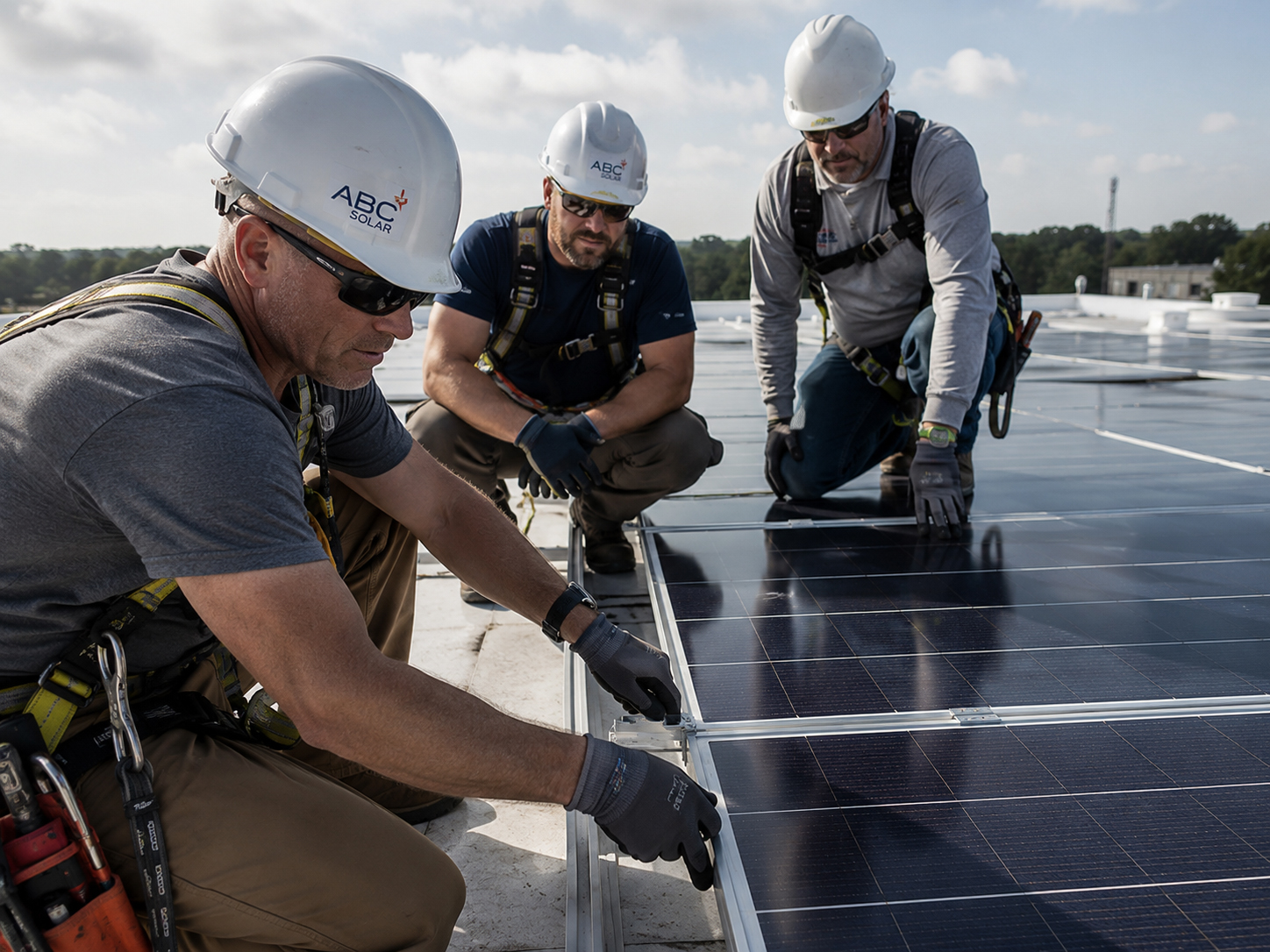
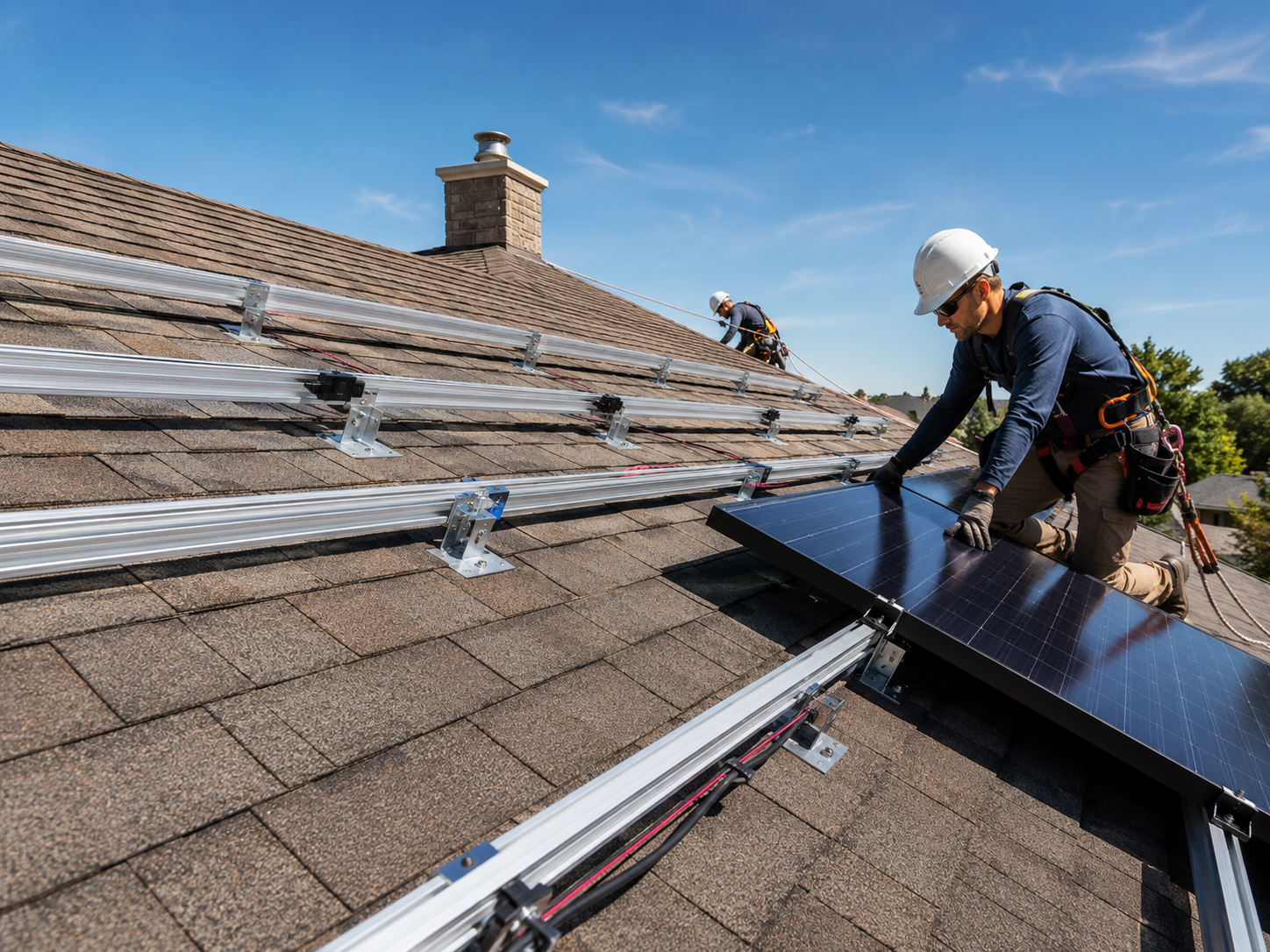
Waterproofing
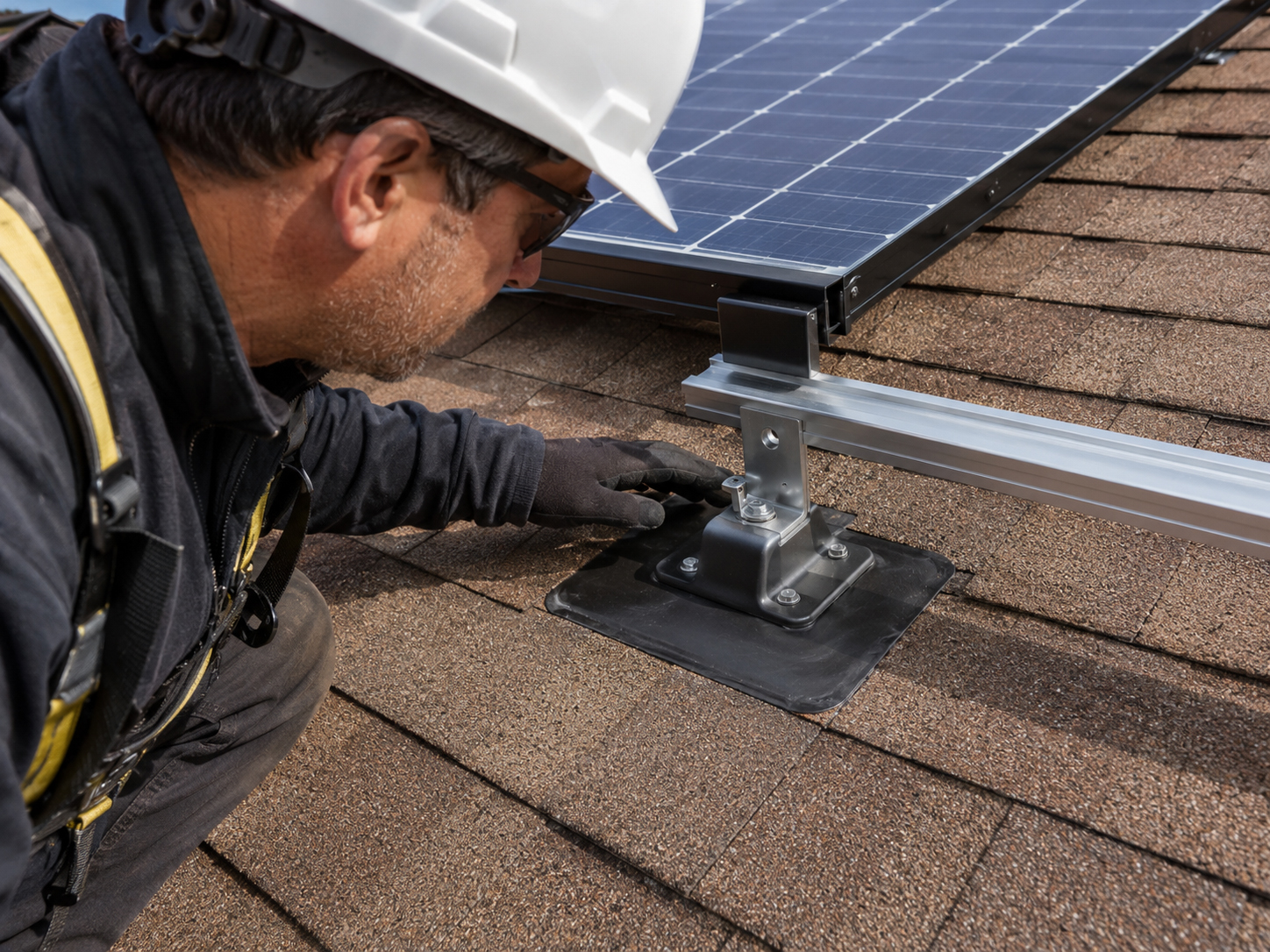
Roof penetrations, flashing, sealant, mounting feet, and inspection before concealment.
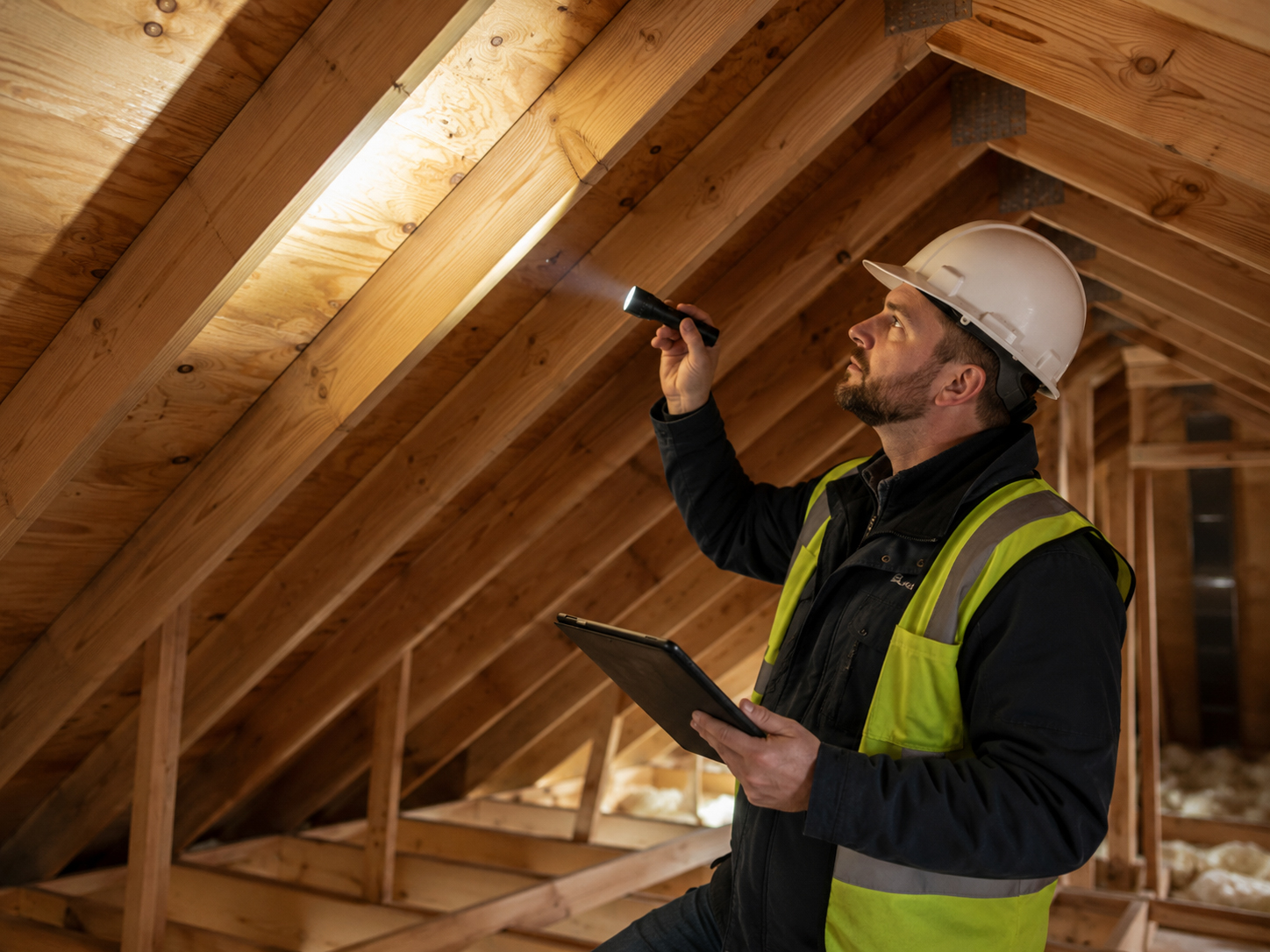
Structure
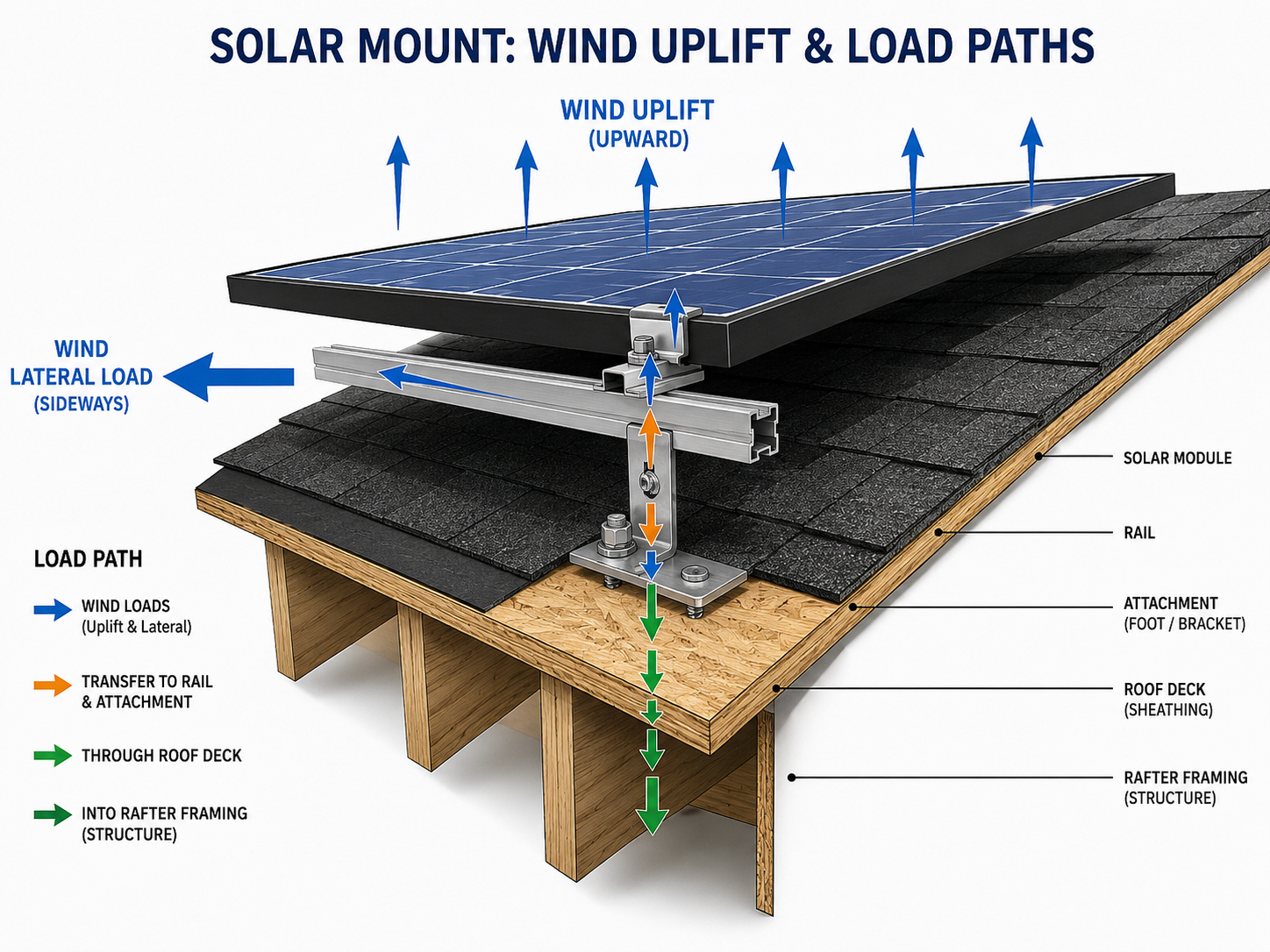
Rafters, load paths, wind uplift, additional roof load, ballast, and reinforcement review.
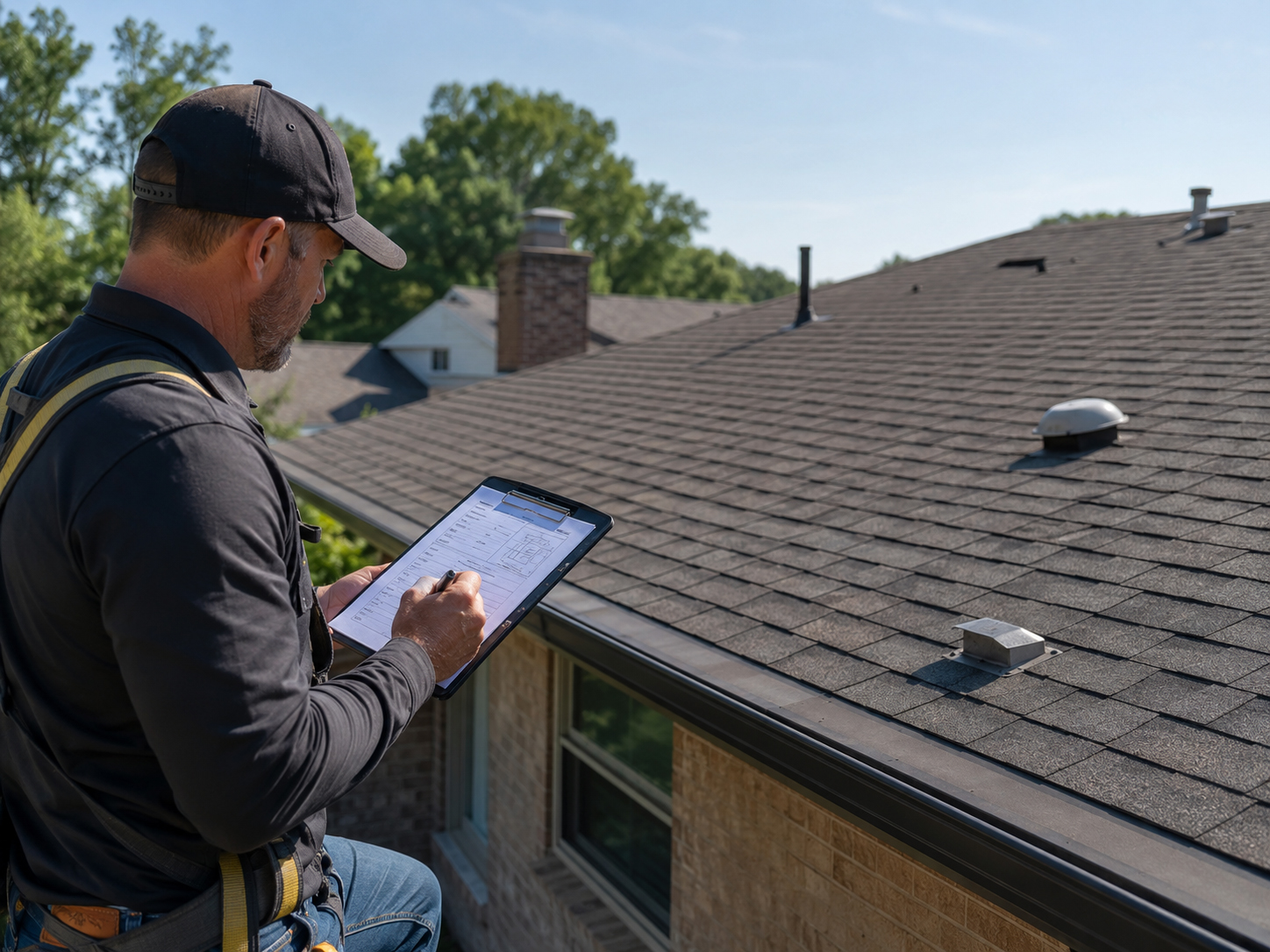
Checklist
Roof condition, roof type, penetrations, access, obstructions, structure, and inspection planning.
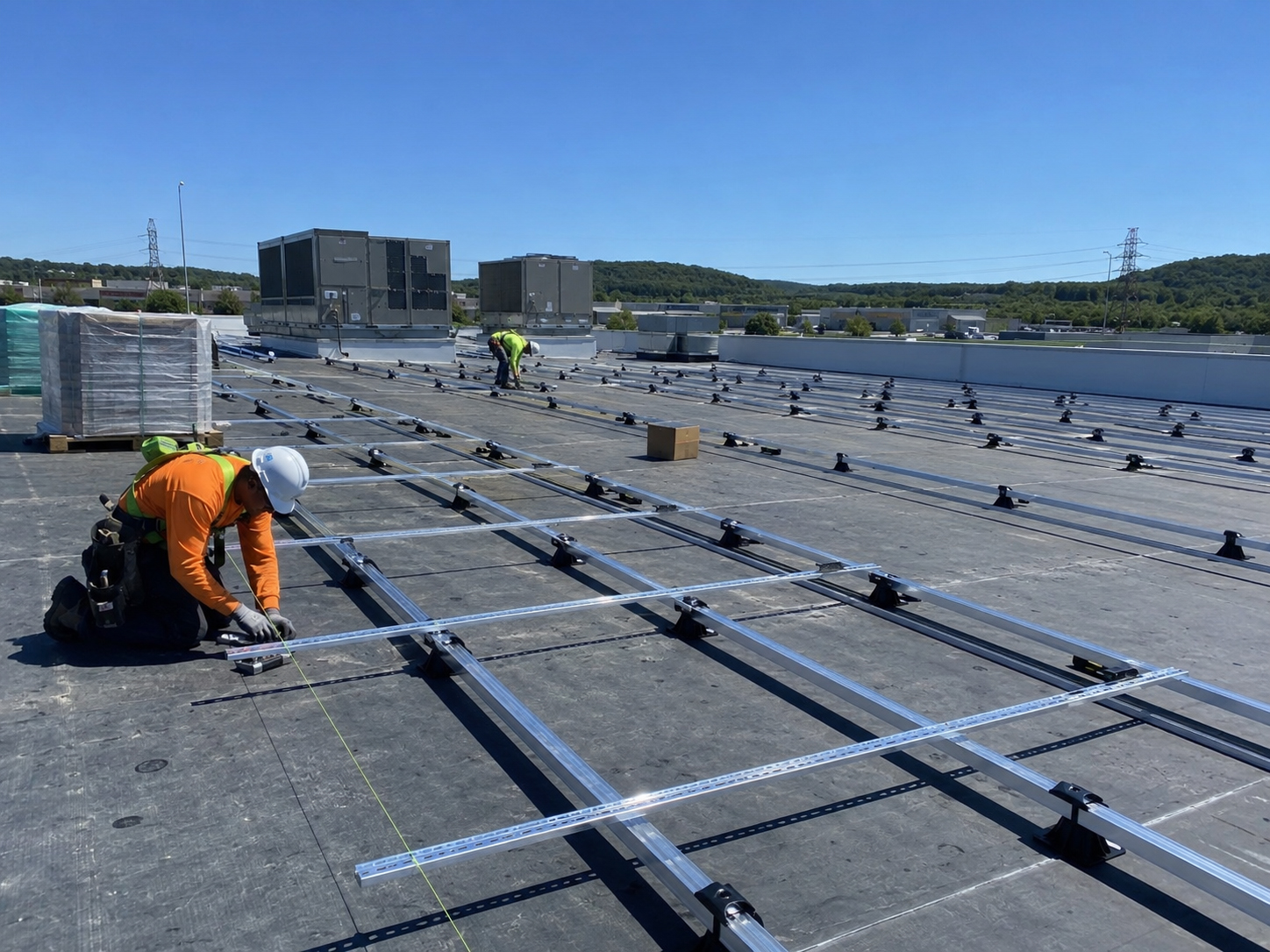
Flat Roofs
Membrane protection, ballast, drainage, roof loading, access paths, and commercial layout.

Ground Mounts
Posts, pipe, driven steel, ballast, trenching, inverters, access, and site serviceability.
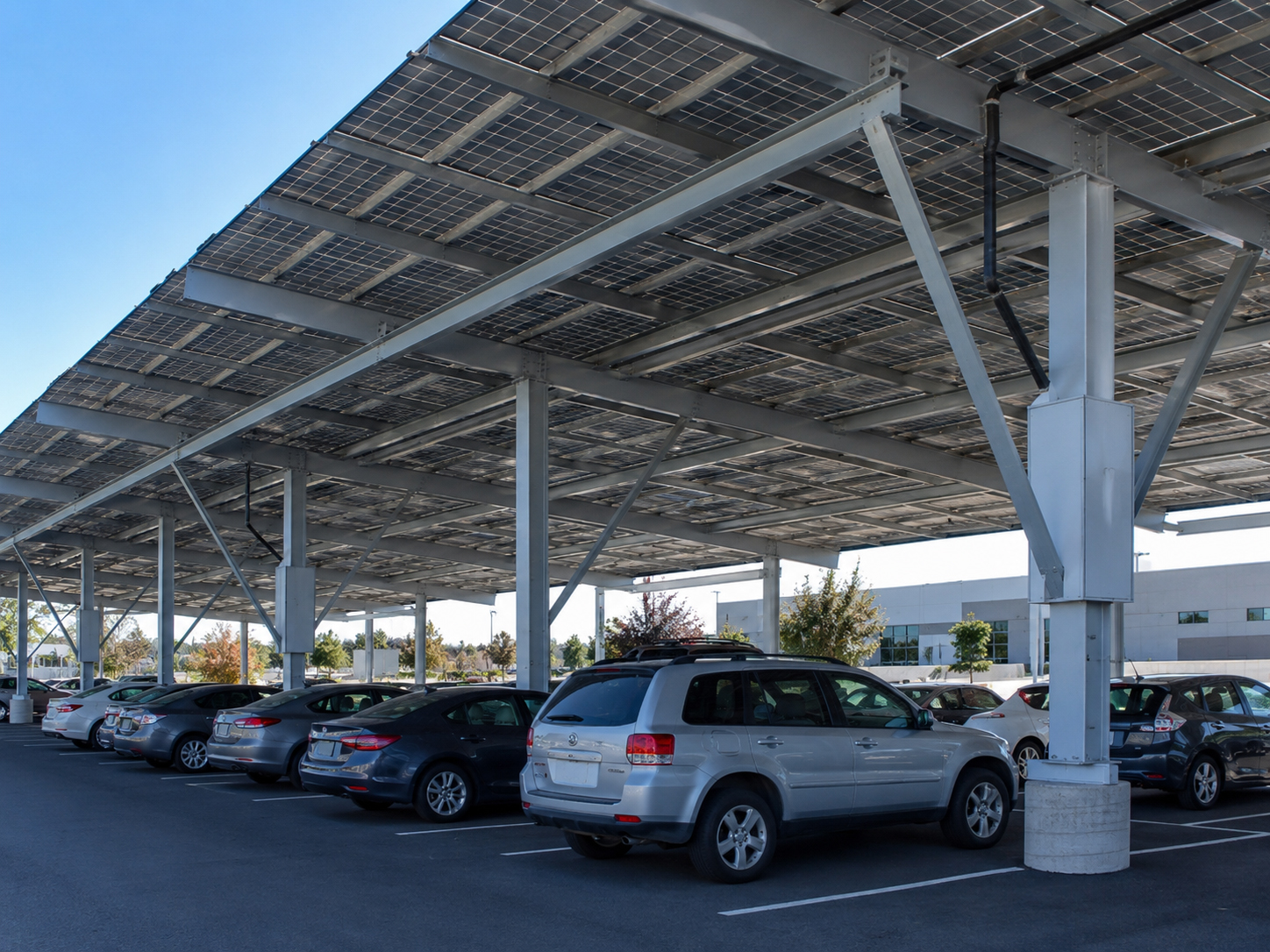
Solar Carports
Solar as structure: steel, foundations, parking layout, drainage, EV readiness, and inspection.
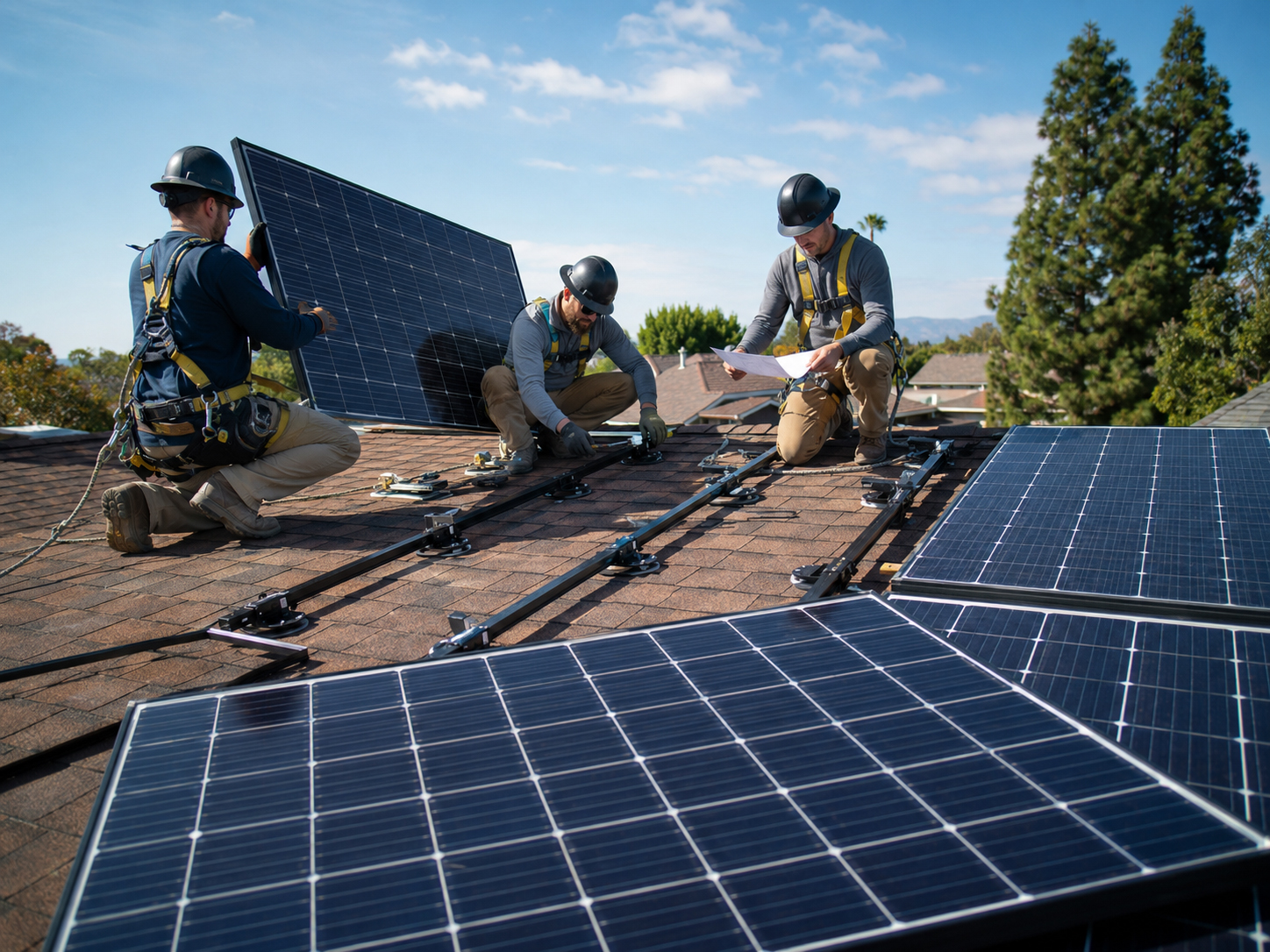
ABC Solar field experience
Built from practical design/build concerns.
SolarMount.com is brought to you by ABC Solar Incorporated, a California licensed B-General and C-46 Solar contractor.
ABC Solar has worked across residential, commercial, roof-mounted, ground-mounted, and custom solar projects. This field guide reflects the same recurring questions that appear on real jobs: Is the roof ready? Where are the rafters? How is the mount flashed? How much ballast is added? What will the inspector see? How will the system be serviced later?
Practical rule: solar mounting should be explained before the roof is touched, not after a homeowner, roofer, or inspector asks what happened.
Solar Bible companion
A focused companion to The Solar Bible.
SolarBible.com is the broader solar design/build publishing platform. SolarMount.com focuses on the mounting-method chapter of the story.
The Solar Bible covers solar design, installation, storage, permitting, utility issues, and renewable-energy ideas. SolarMount.com narrows the lens to the physical installation: the roof, the structure, the attachment, the waterproofing, the inspection, and the service life.
The broad solar guide and publishing platform.
The focused mounting, roof, racking, and waterproofing field guide.
The practical design/build source behind the field-guide perspective.
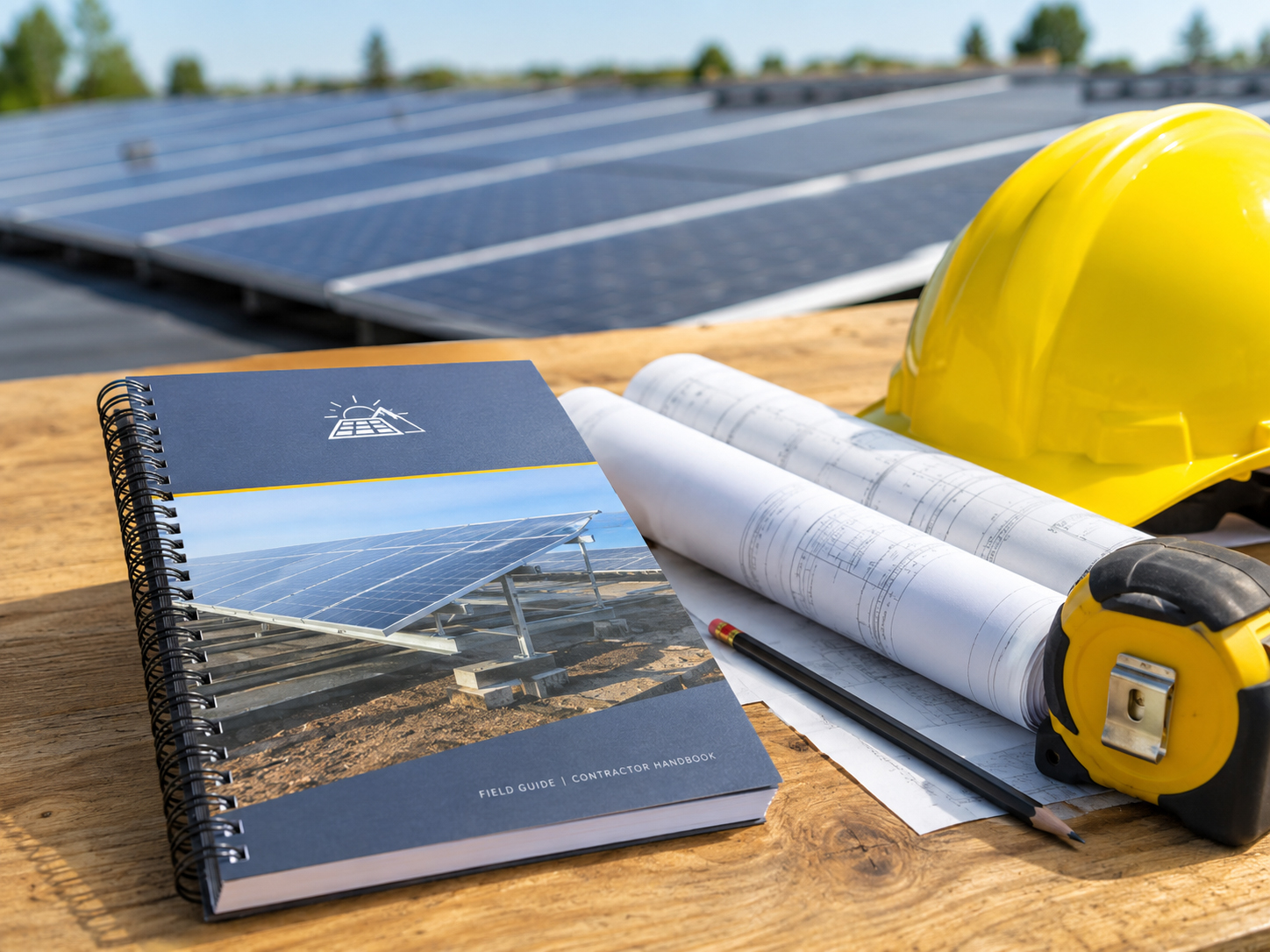
What this site is not
A field guide, not engineering advice.
SolarMount.com explains concepts and questions. It does not replace approved plans, manufacturer instructions, code, engineering, or job-specific professional judgment.
Use this site to understand questions
- What roof type is involved?
- How is the system mounted?
- Where are the structural targets?
- How are penetrations flashed and sealed?
- How are wind and roof load handled?
- What should be inspected before concealment?
Do not use this site as a substitute for
- Approved permit drawings.
- Licensed engineering review.
- Manufacturer installation instructions.
- Roofing requirements and warranty terms.
- Electrical code, fire code, and local code.
- Qualified job-specific professional judgment.
Important: SolarMount.com is educational. Actual solar mounting, structural review, waterproofing, roofing work, electrical work, permitting, and inspection must be performed according to approved plans, manufacturer requirements, code, and qualified professional review.
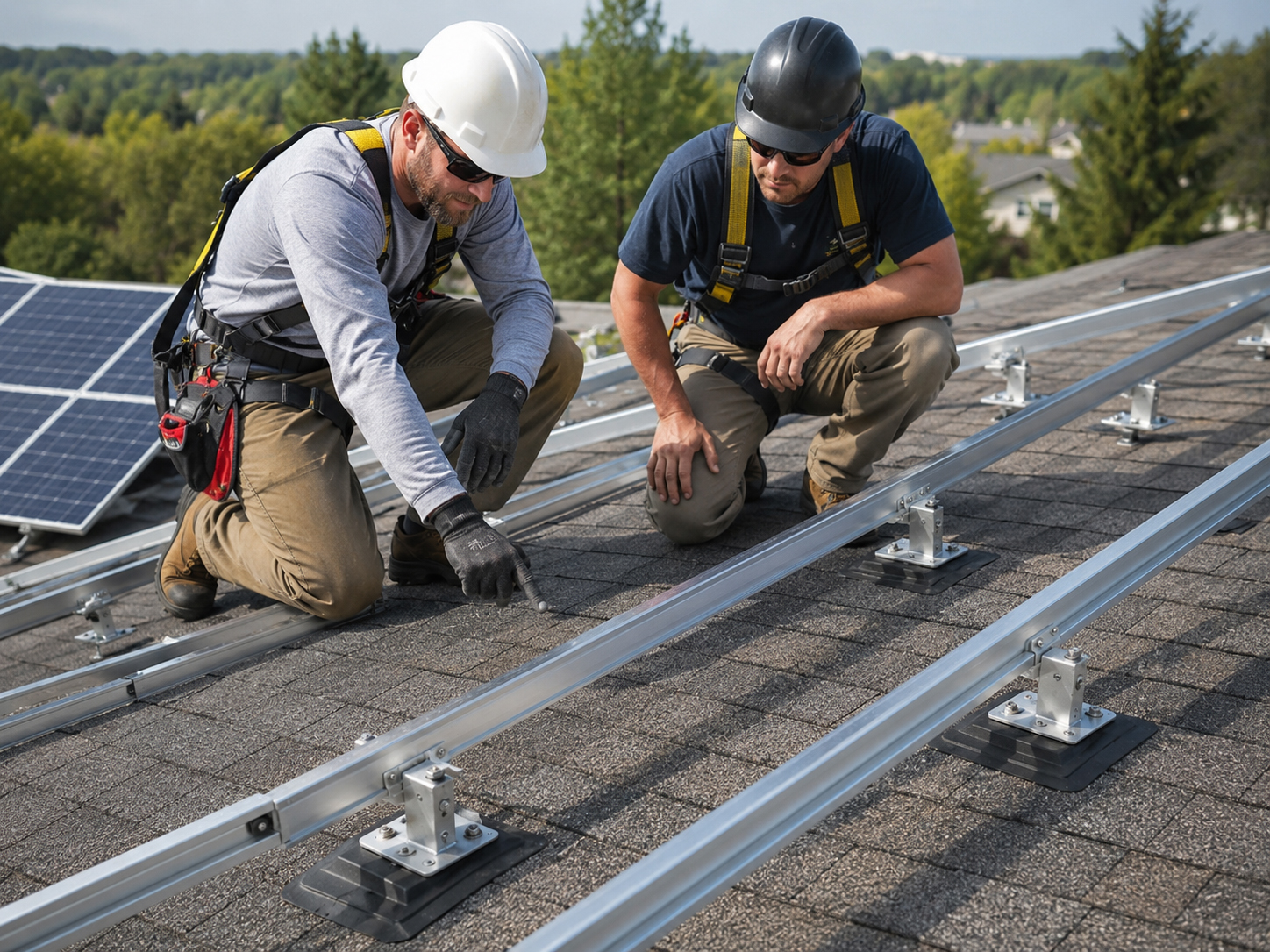
Roofer and solar contractor
The best projects respect both trades.
The solar contractor sees the array. The roofer sees the water path. The building needs both.
SolarMount.com encourages early coordination when roof condition, roof age, tile underlayment, flat roof membrane, waterproofing, service access, or future roof work may affect the solar installation.
Plain-language summary: roofers and solar contractors should coordinate before installation, not after a leak question appears.
Start here
The most useful entry points.

About conclusion
SolarMount.com starts where solar touches the real world.
Roofs, rafters, flashing, ballast, posts, carports, structure, and inspection are not side details. They are what make solar last.