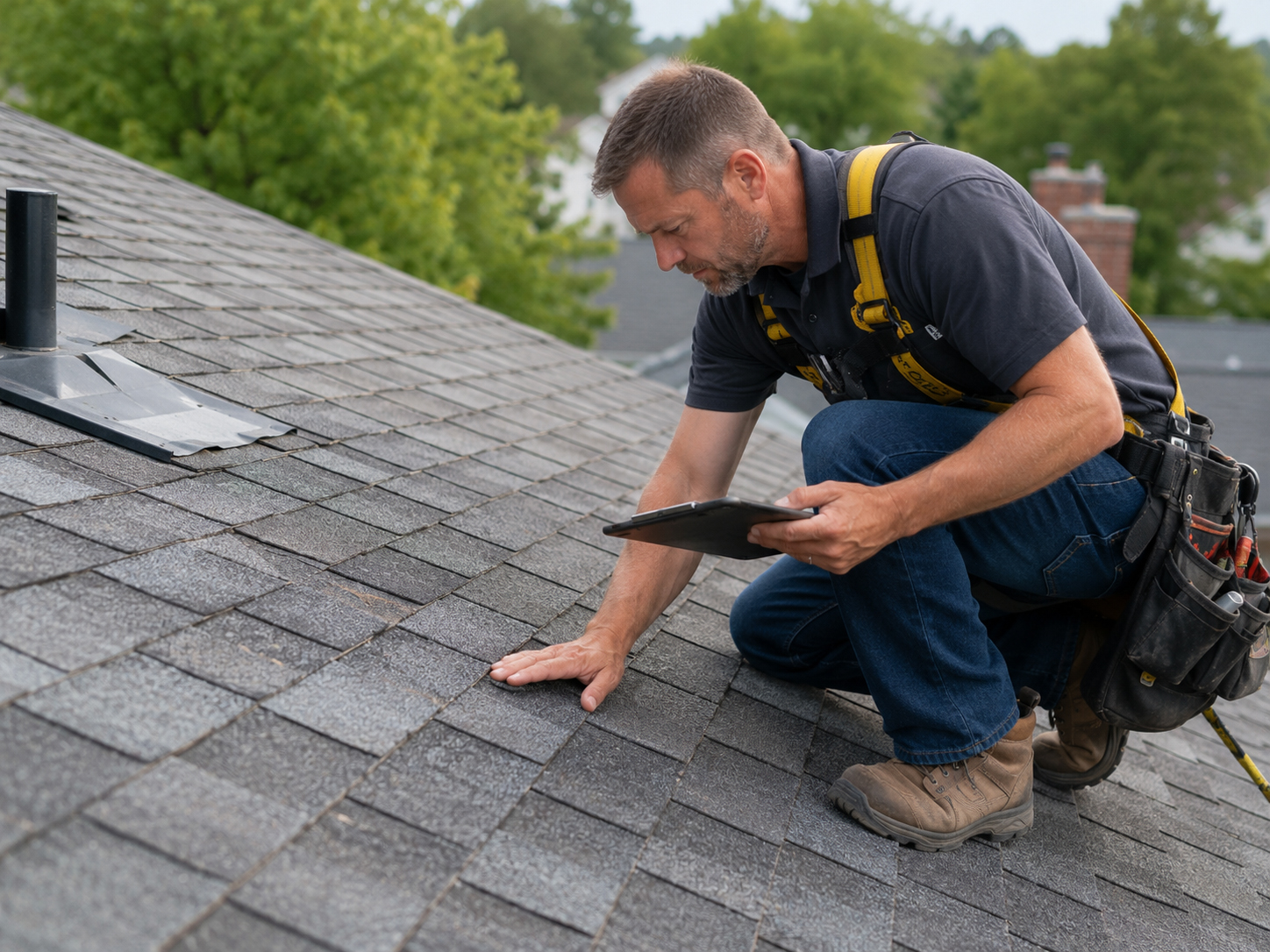
Roof review first
Roof condition and age come before solar mounting.
Solar panels may last for decades. The roof underneath them must be ready for that commitment. Before mounting begins, the roof’s age, condition, service life, waterproofing, access, and repair history need a serious review.
The first roof question
Is this roof ready to carry solar?
A solar installation should not hide a roof that is near the end of its useful life.
Roof condition and age affect layout, mounting method, flashing strategy, warranty risk, future service access, and whether roofing work should happen before solar is installed. A roof that looks “good enough” from the ground may still have worn shingles, brittle tiles, soft decking, failing underlayment, old repairs, drainage issues, or attachment concerns.
SolarMount.com rule: review the roof before committing the array. It is easier to fix a roof before solar is mounted than after the panels, rails, wiring, and electrical equipment are in place.
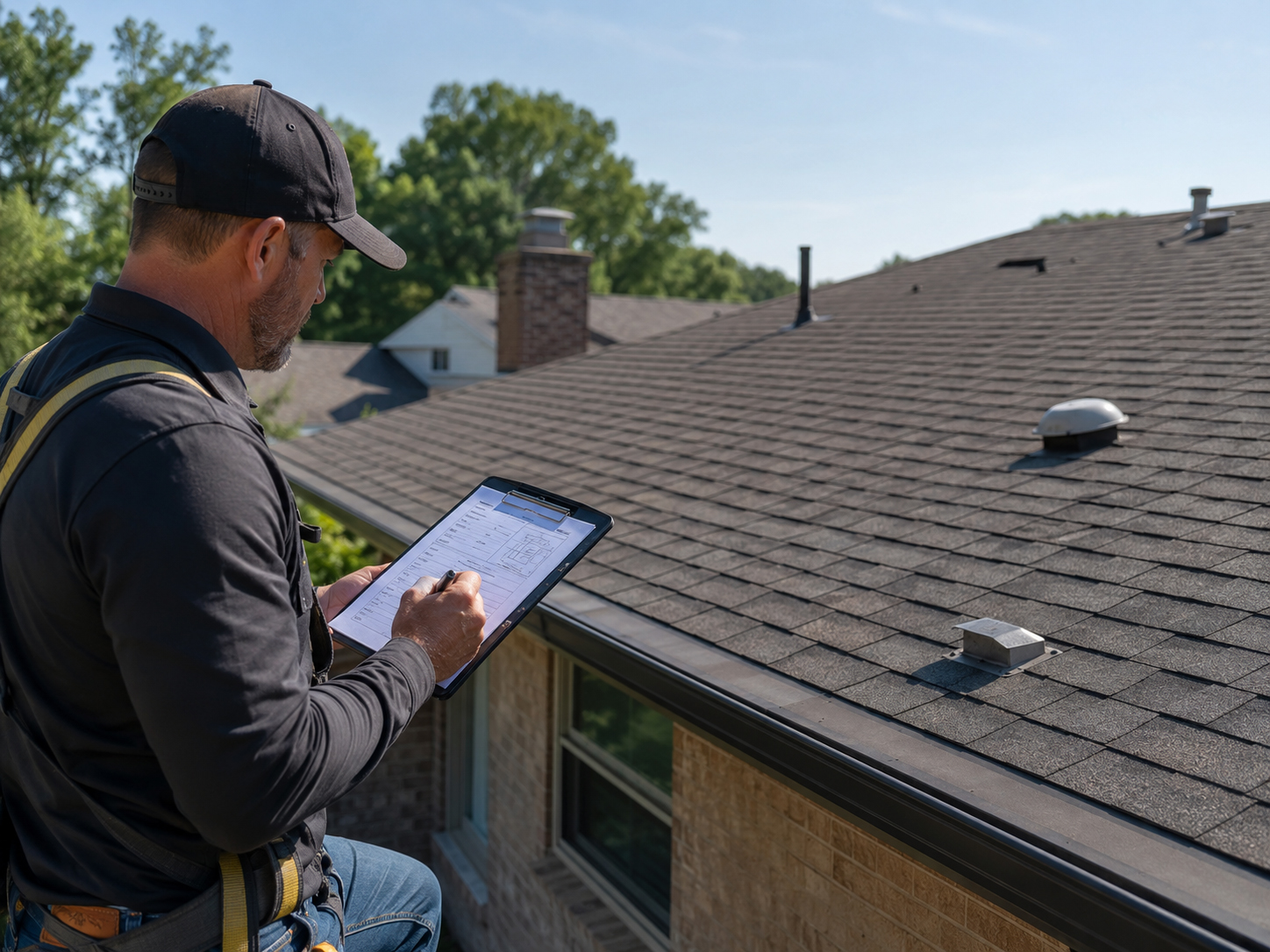
Checklist
What to review before mounting begins.
This review is not just about whether panels will fit. It is about whether the roof system can responsibly accept the installation.
Roof age
Ask how old the roof is, when it was last replaced, and whether any section is approaching the end of its service life.
Roof material
Composition shingle, tile, concrete tile, metal, flat roof membrane, and wood shake all require different mounting conversations.
Visible wear
Look for curling, cracking, missing pieces, broken tiles, worn granules, corrosion, patchwork, ponding, soft areas, or brittle material.
Prior repairs
Old patches, mastic, replaced sections, stains, or mismatched materials can reveal where water has already tested the roof.
Decking and framing
Roof surface condition is only part of the review. The structure below must also support the mounting plan.
Future service
Ask how the roof will be serviced later if roofing work, leak investigation, or panel removal becomes necessary.
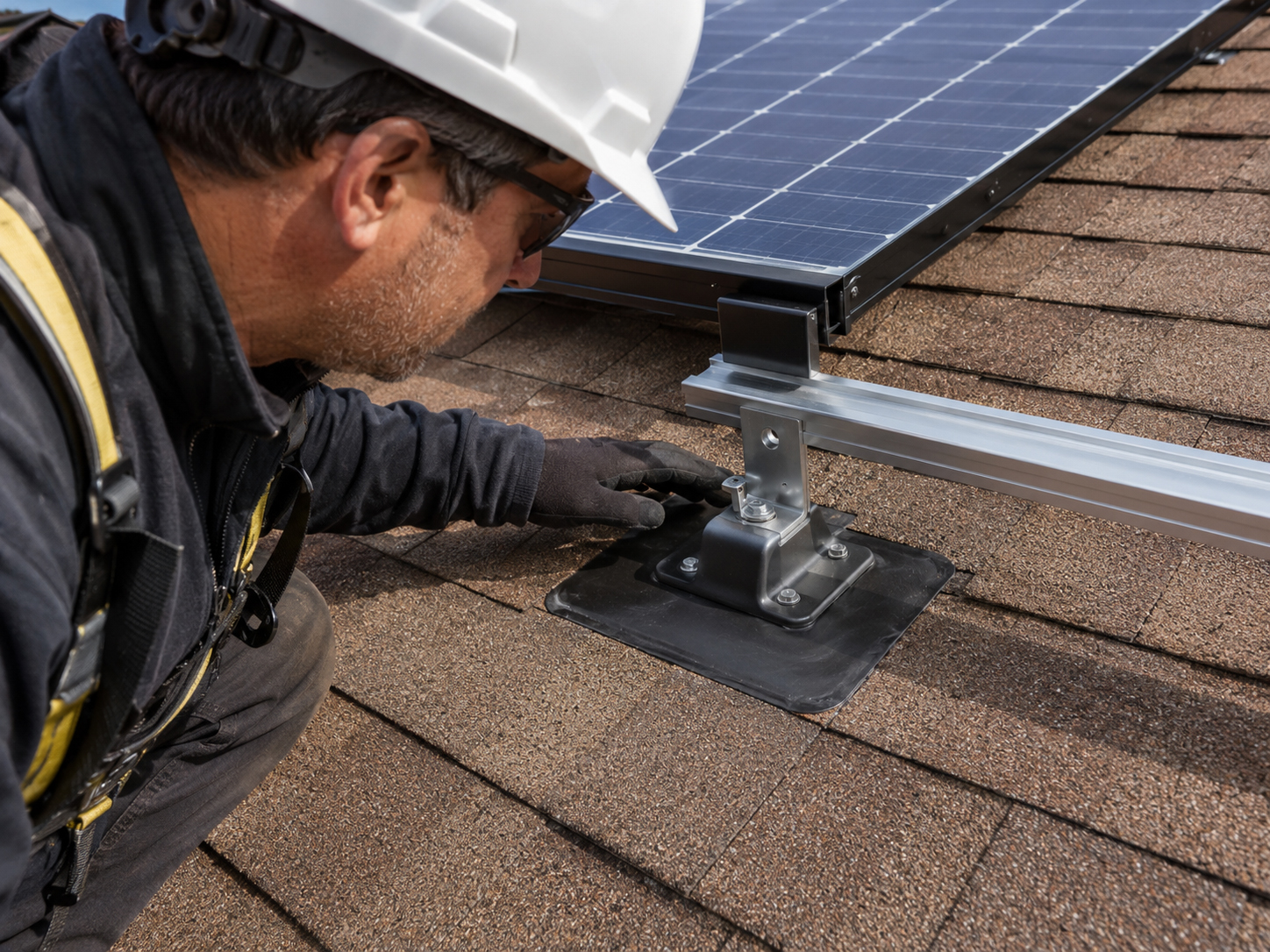
Do not bury a roof problem
Solar can make a weak roof harder to fix.
Once panels are installed, roof access becomes more complicated.
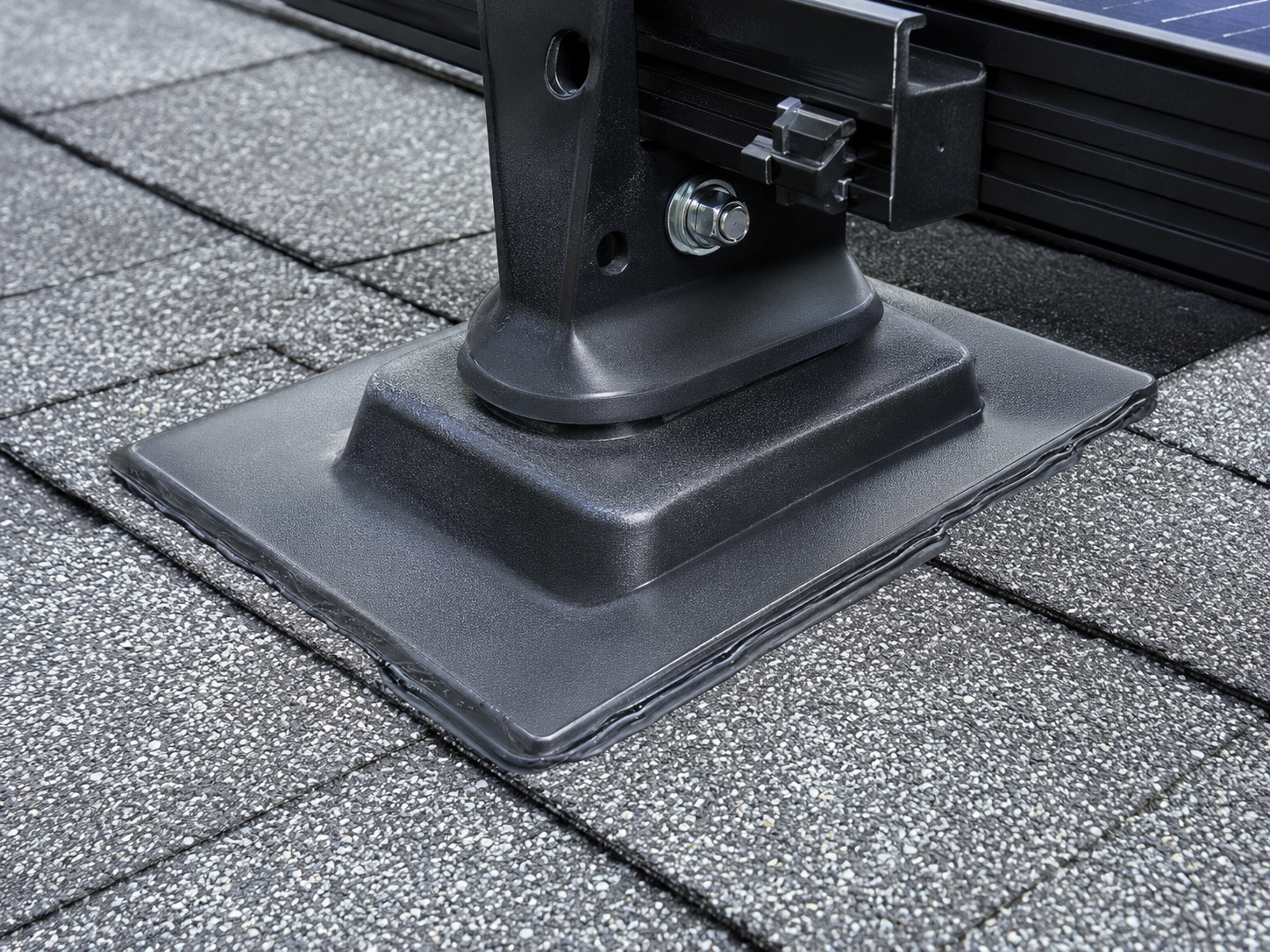
Solar arrays add rails, wiring, attachments, conduit, and equipment to the roof environment. If the roof needs replacement soon, it may be better to address roofing before solar installation. Otherwise, the owner may face added labor later to remove and reinstall panels just to reach the original roof problem.
Practical rule: if the roof is questionable, pause and review the roofing path. Solar should be part of a long-term property plan, not a cover over a short-term roof problem.
Roof-type notes
Different roofs age differently.
The age number alone is not enough. The same number of years can mean different things depending on material, climate, workmanship, slope, and maintenance history.
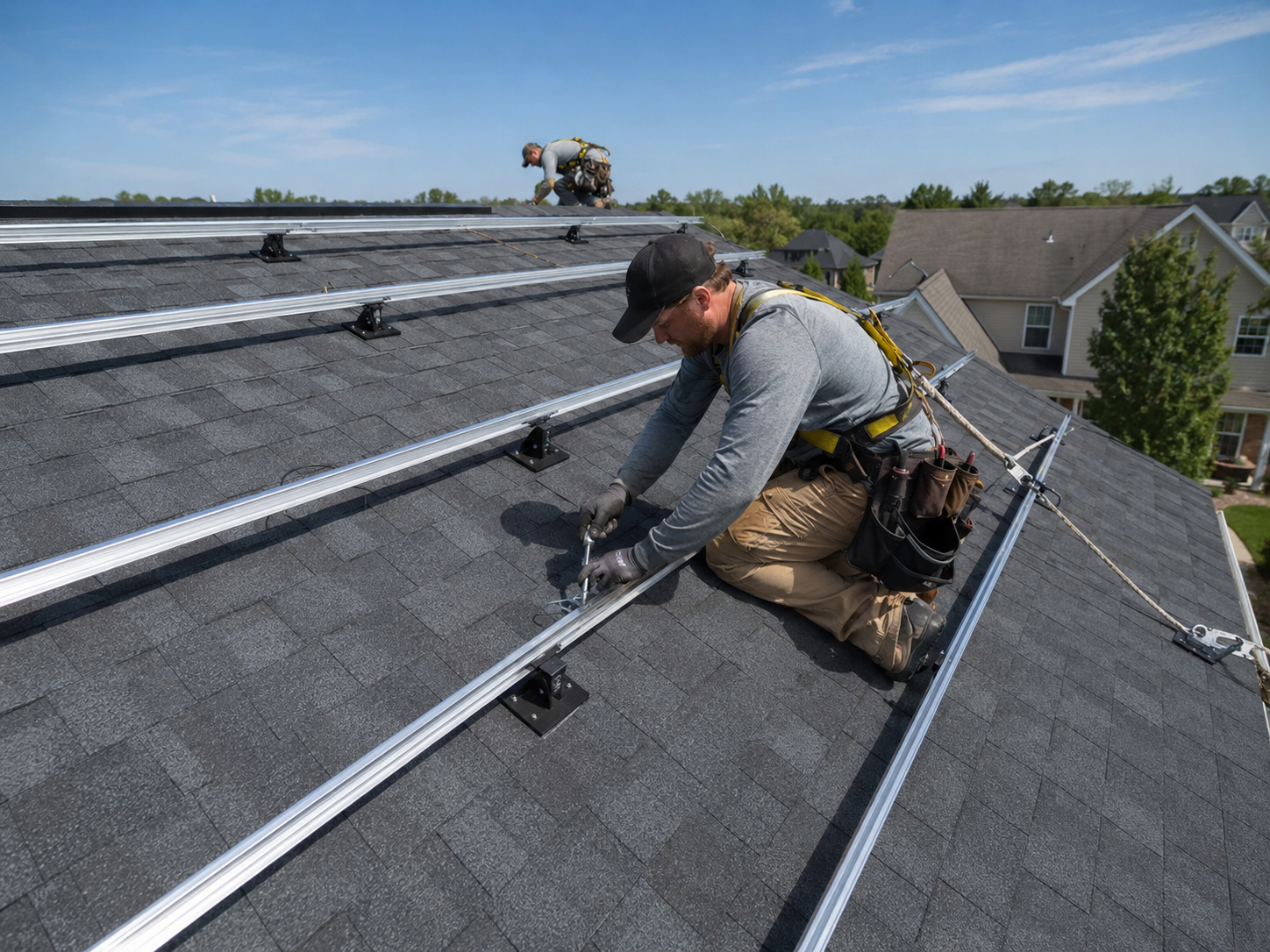
Composition Shingle
Review granule loss, curling, brittle shingles, layers, flashing condition, and age before mounting.
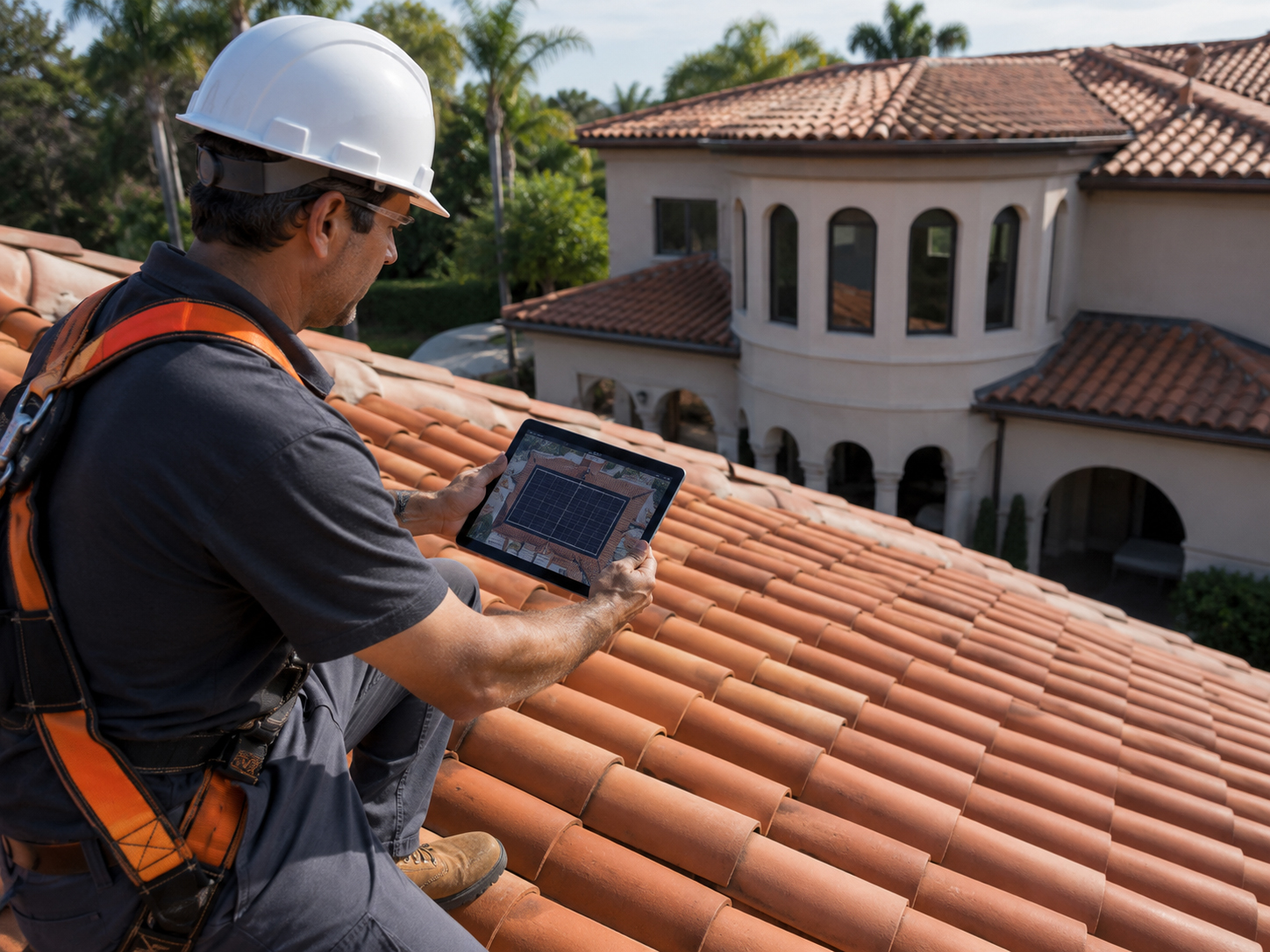
Tile Roofs
Review tile condition, underlayment age, broken pieces, access, and the service plan before design.
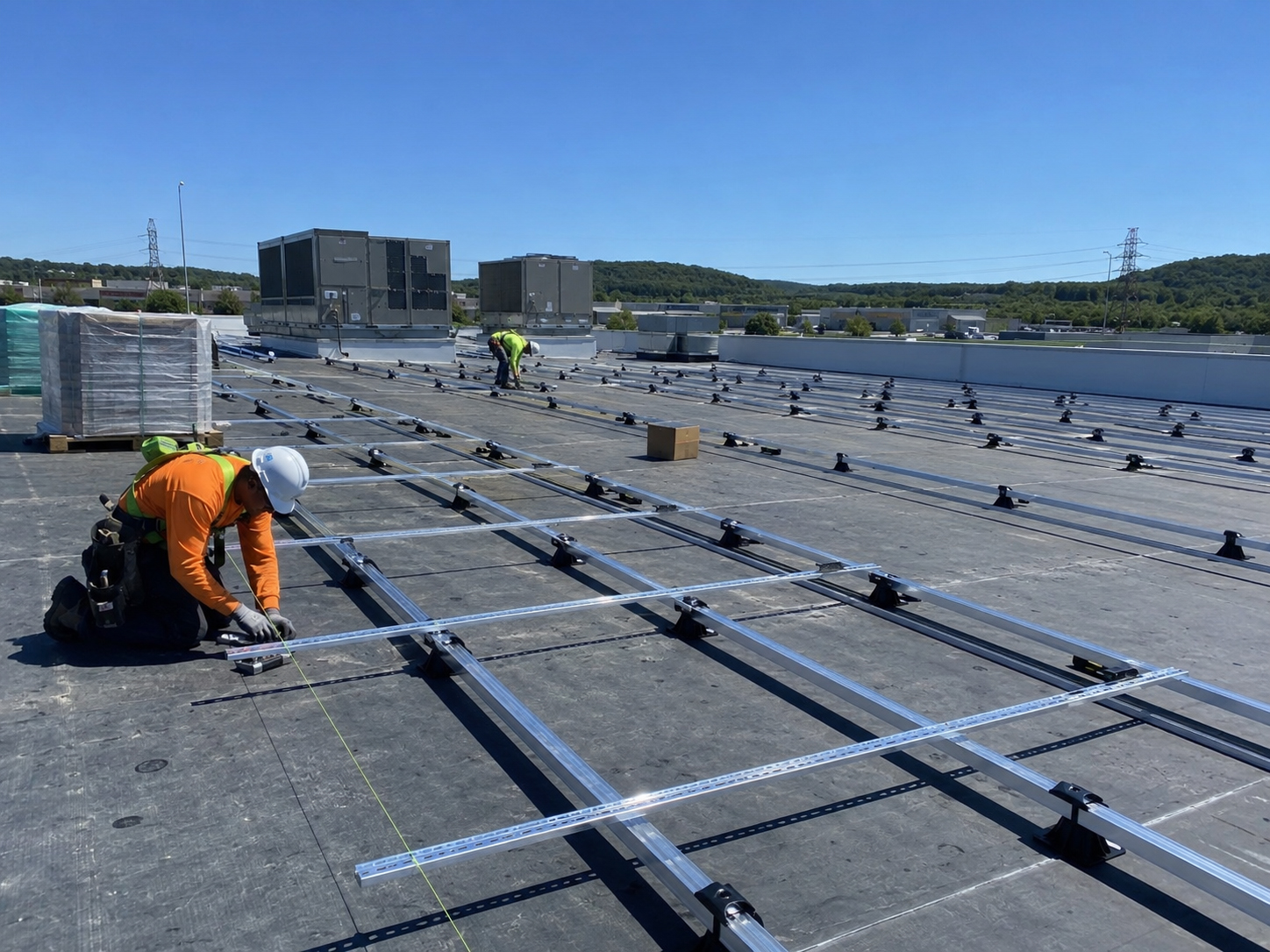
Flat Roofs
Review membrane condition, drainage, ponding, ballast weight, walk paths, and maintenance access.
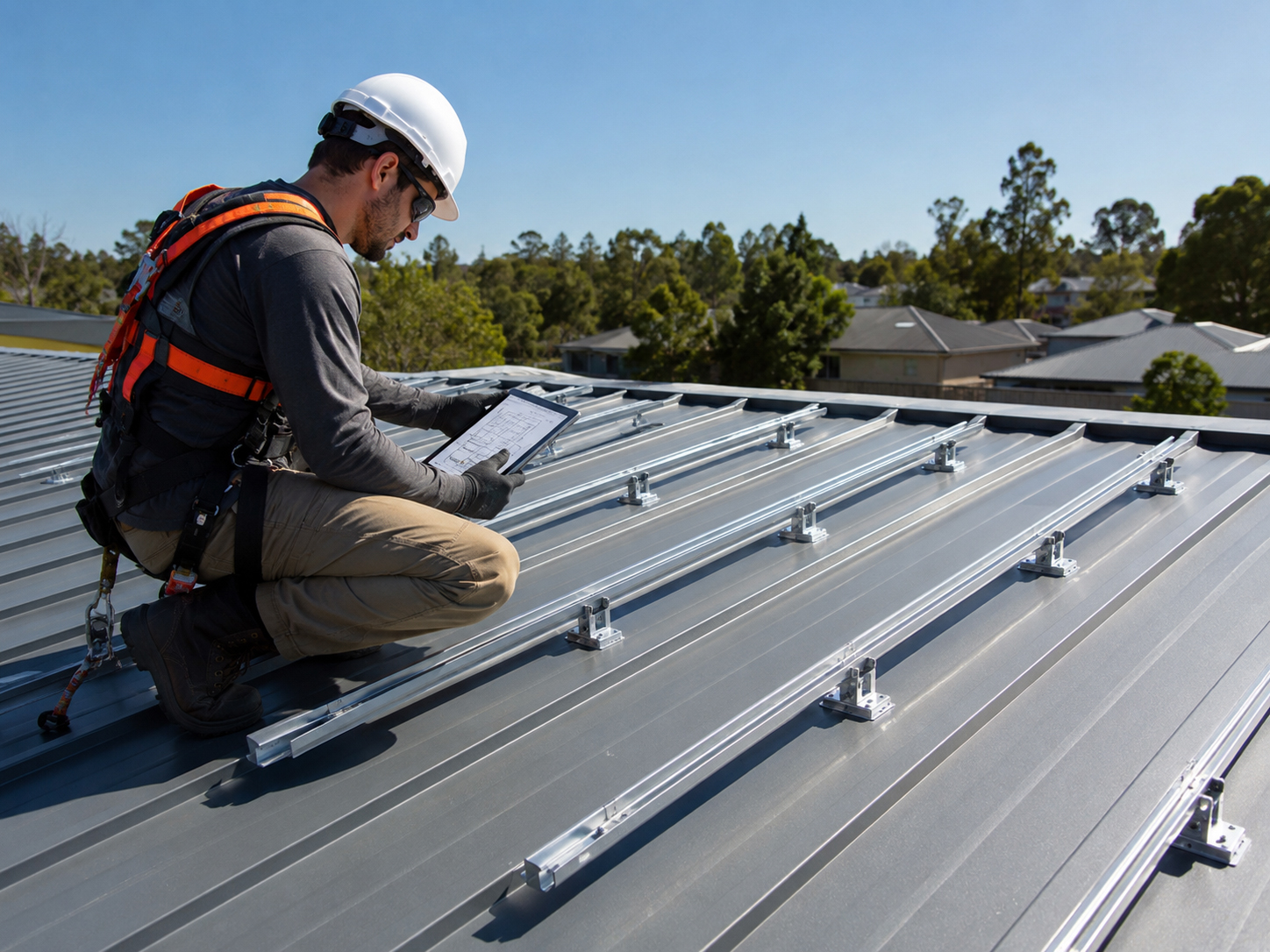
Metal Roofs
Review seams, fasteners, corrosion, panel profile, roof manufacturer guidance, and water path.
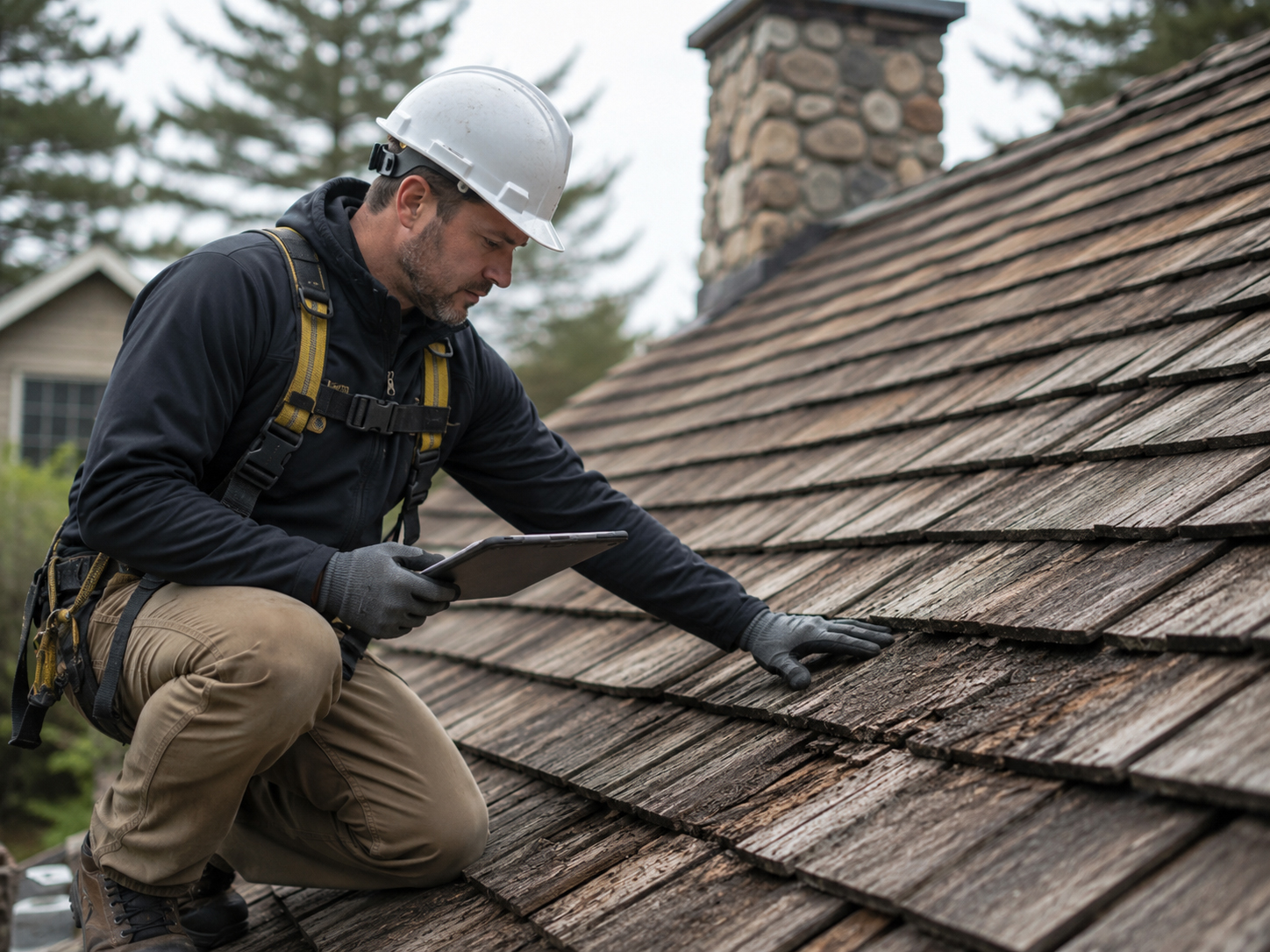
Wood Shake
Older wood roof materials deserve special caution because condition, fire risk, and serviceability matter.
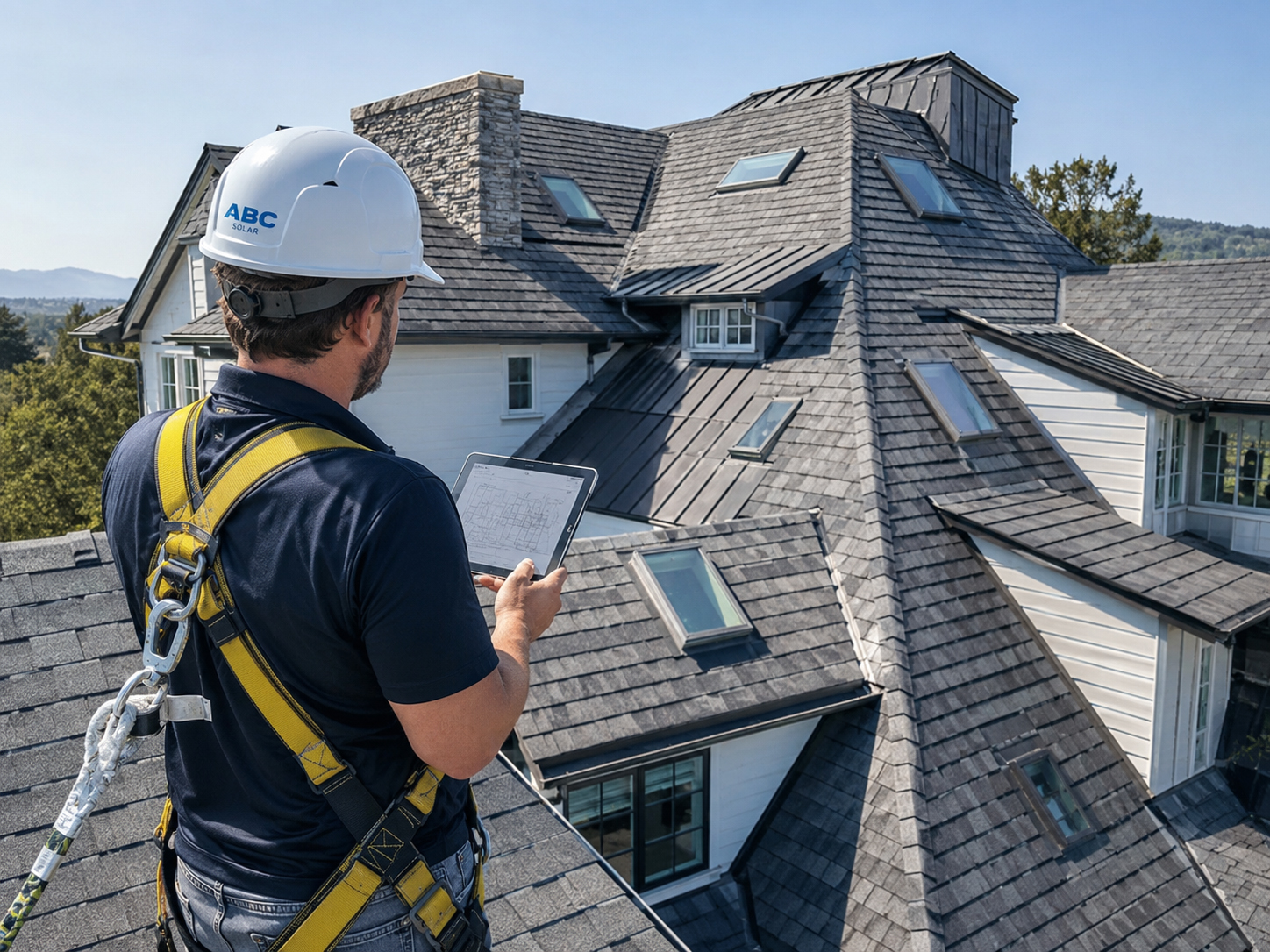
Unique Roofs
Mixed materials, steep slopes, dormers, hips, valleys, skylights, and patchwork change the review.
Look for warning signs
Small clues can reveal large roof issues.
A roof inspection for solar should be curious, not rushed.
The solar review should look at more than the array area. Roof edges, eaves, valleys, gutters, penetrations, attic evidence, ceiling stains, prior leak history, and repair patches can all affect whether the roof is ready for solar.
Cracks, curling, missing pieces, brittle tiles, rust, soft membrane, or heavy patching.
Stains, ponding, damaged underlayment, clogged drainage, patched valleys, or old leak history.
Steep slopes, fragile material, difficult ladder access, tight setbacks, or unsafe walk paths.
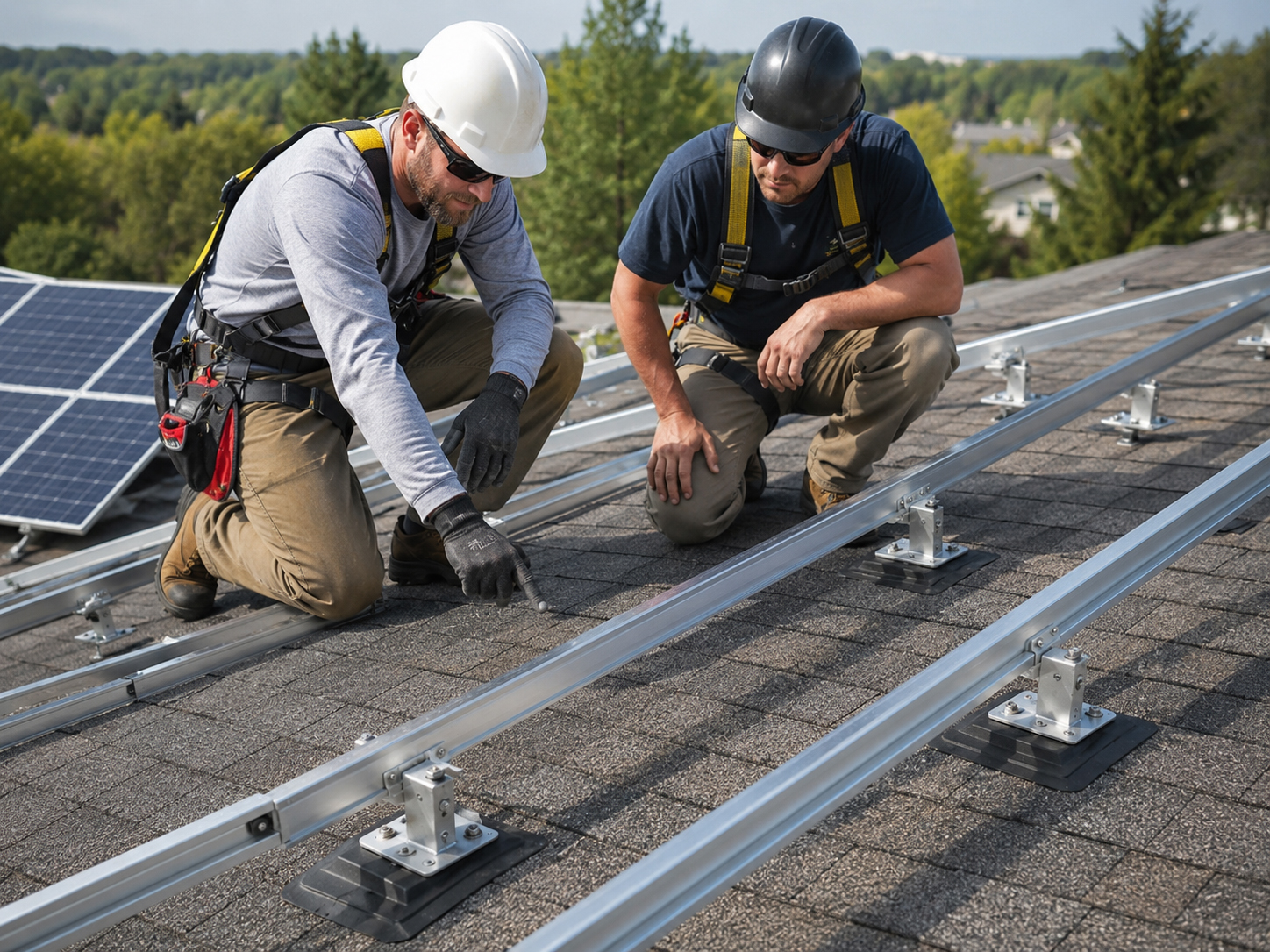
Decision point
When should roofing happen before solar?
The answer depends on the roof, but the question should always be asked before mounting.
Reasons to pause for roofing review
- The roof is near the end of its expected service life.
- There are known leaks or prior leak repairs.
- Roof material is brittle, cracked, loose, or worn.
- There are soft spots, sagging, or suspect decking.
- Underlayment age or condition is questionable.
- The roof will be difficult or expensive to service after solar is installed.
Questions for the homeowner
- How old is the roof?
- Has the roof ever leaked?
- Has any part of the roof been patched or replaced?
- Do you have roof warranty documents?
- Are you planning roofing work in the next few years?
- Do you want a roofer to review the roof before solar?
Plain-language summary: a few extra questions before installation can prevent expensive panel removal, roof repair confusion, warranty disputes, and homeowner frustration later.
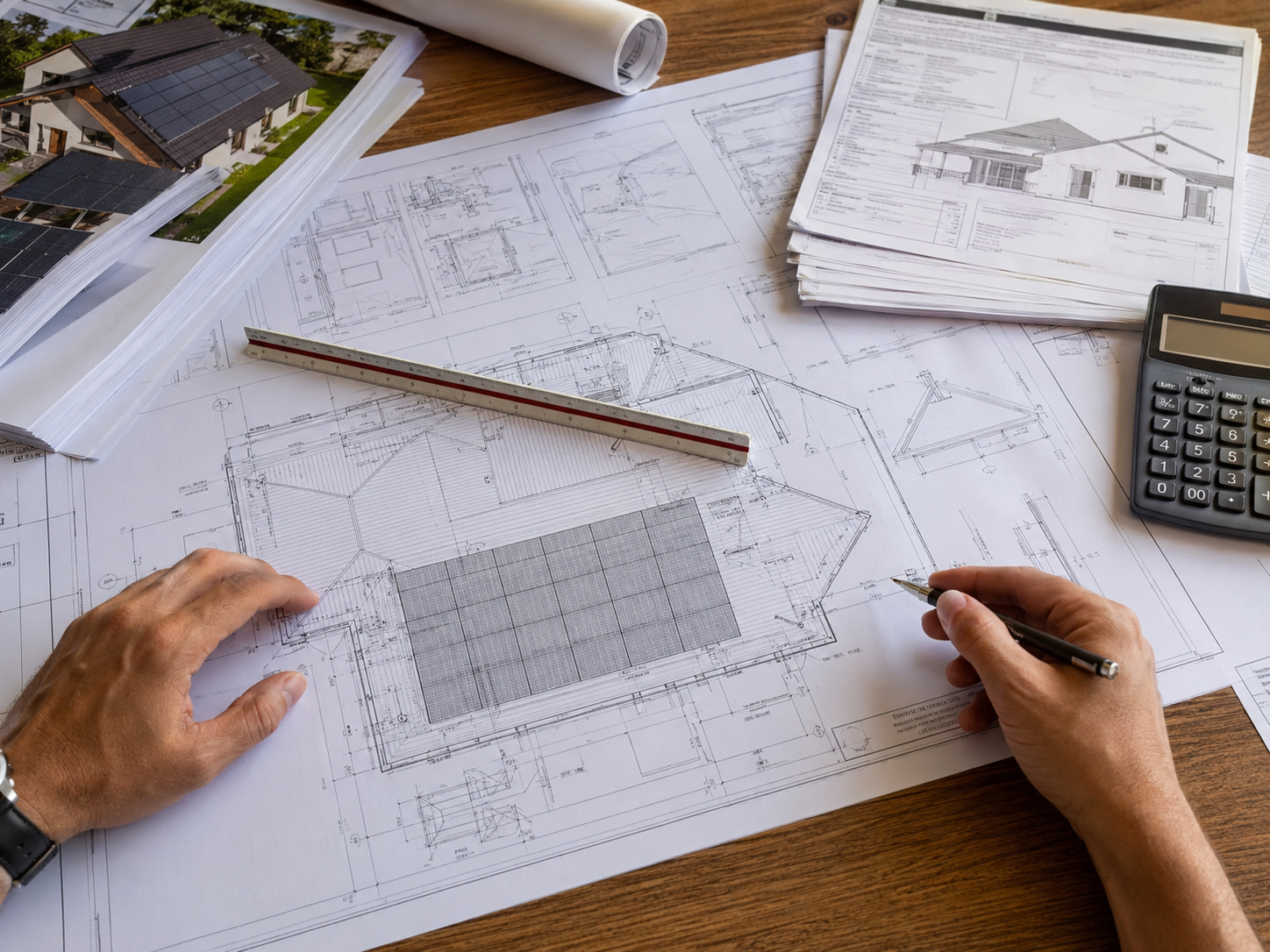
Documentation matters
Document the roof before the work disappears.
Photos and notes help the project team remember what was reviewed, what was decided, and why the mounting plan makes sense.
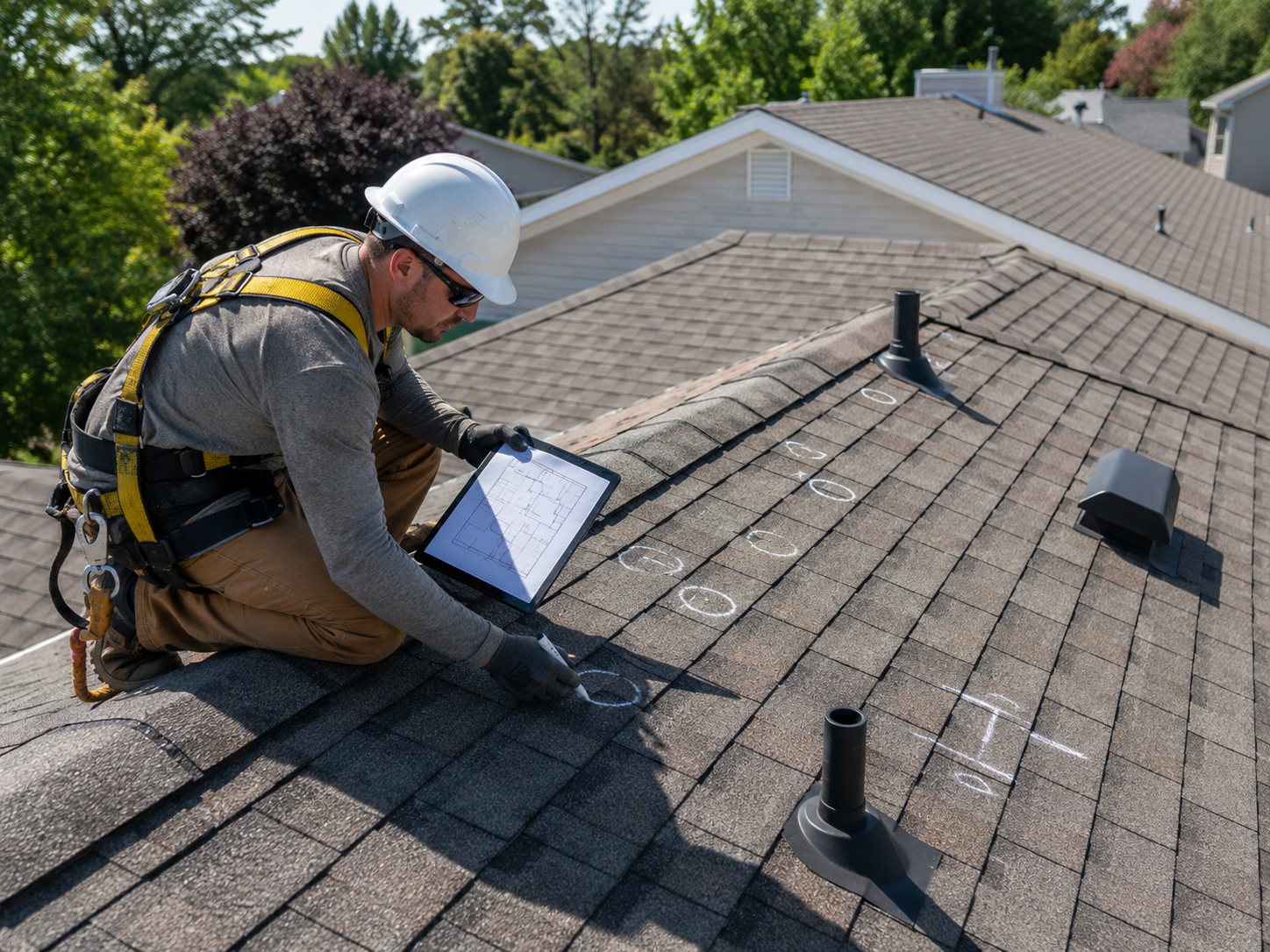
A good roof review should include overall roof photos, close-up material photos, roof edge and eave photos, obstruction photos, rafter or attic photos where safe and useful, and notes about roof age, condition, and any concerns raised before installation.
Safety note: do not climb onto unsafe roofs, open electrical equipment, or enter difficult attic spaces unless qualified and conditions are safe.
Related field guide pages
Continue the roof-first review.
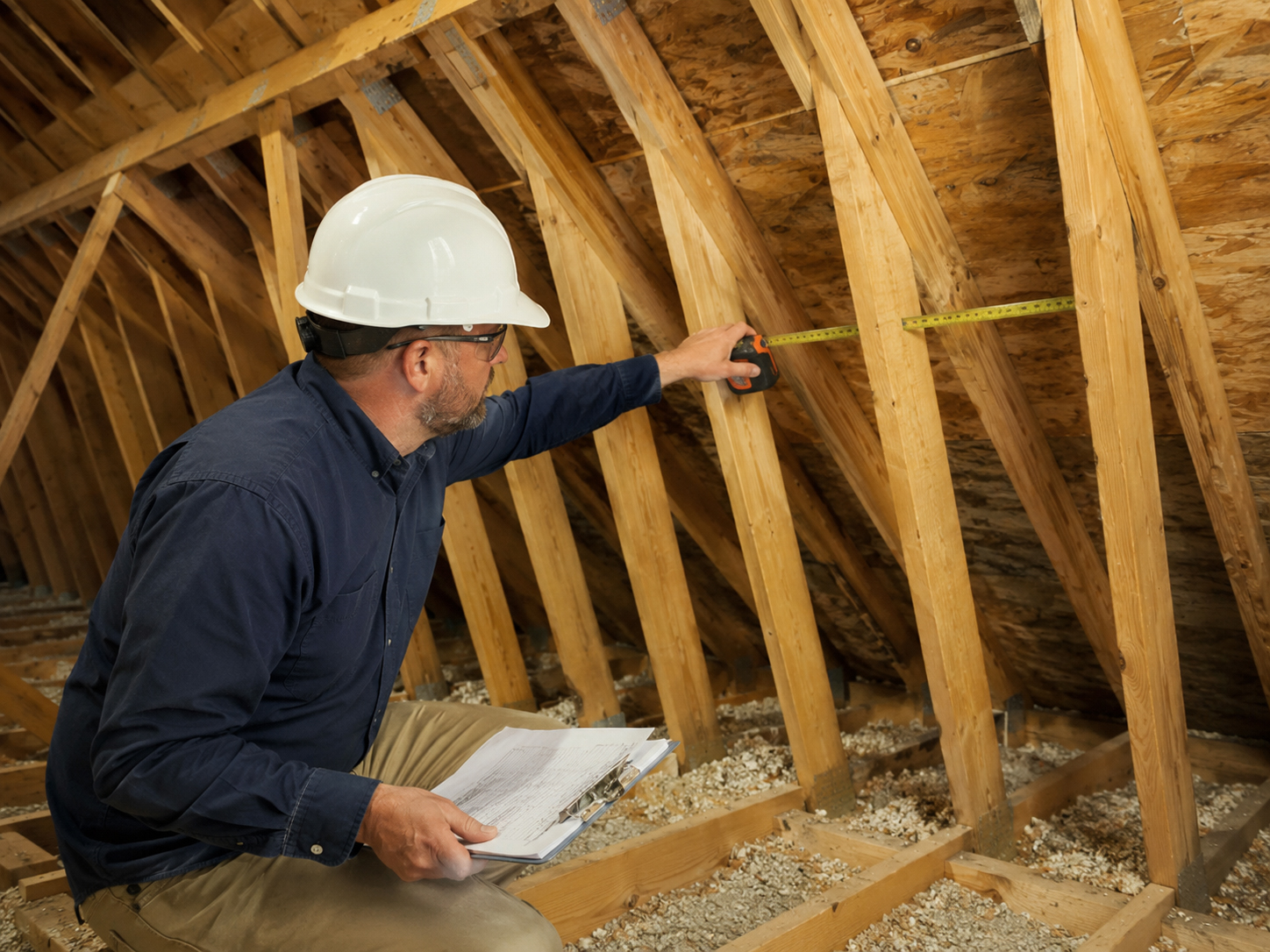
Roof review conclusion
Do not let the panels outrun the roof.
The roof condition and age review is not a delay. It is the foundation of a durable solar installation.