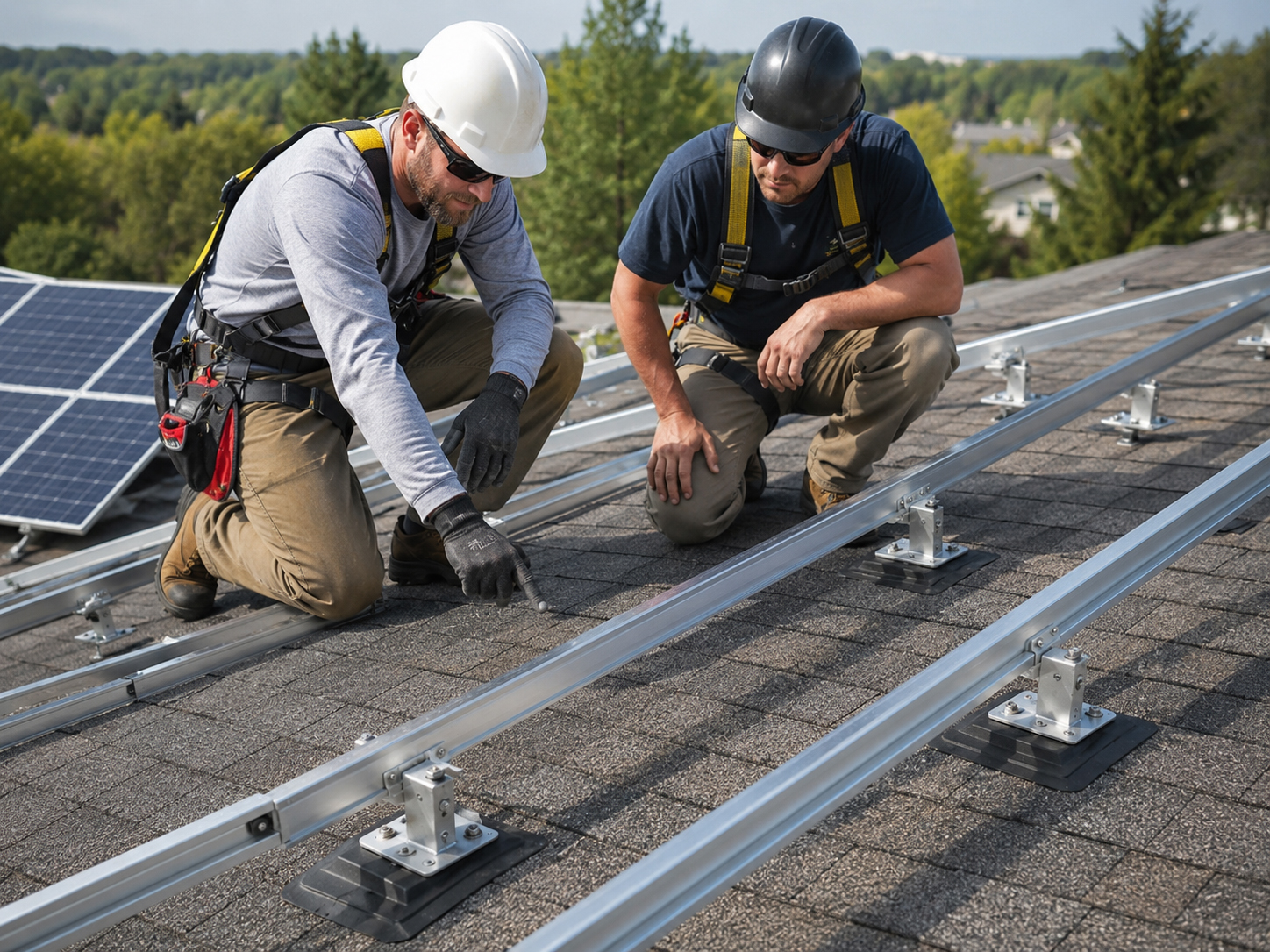
Respect both trades
The roofer and solar contractor should be on the same side.
The roofer understands the roof’s water path. The solar contractor understands the array. The best solar mounting projects respect both trades before the first mounting foot is installed.
Shared responsibility
Solar mounting touches the roofer’s world.
A solar contractor can design a beautiful array, but the roof still has to shed water after the installation is complete.
Roofers and solar contractors should not treat each other as obstacles. A good project needs both perspectives: roof condition, roof age, waterproofing, flashing, underlayment, access, mounting-foot placement, rafter attachment, electrical routing, inspection timing, and future serviceability.
SolarMount.com rule: the roof does not care which trade caused the problem. It only cares whether water was managed correctly.
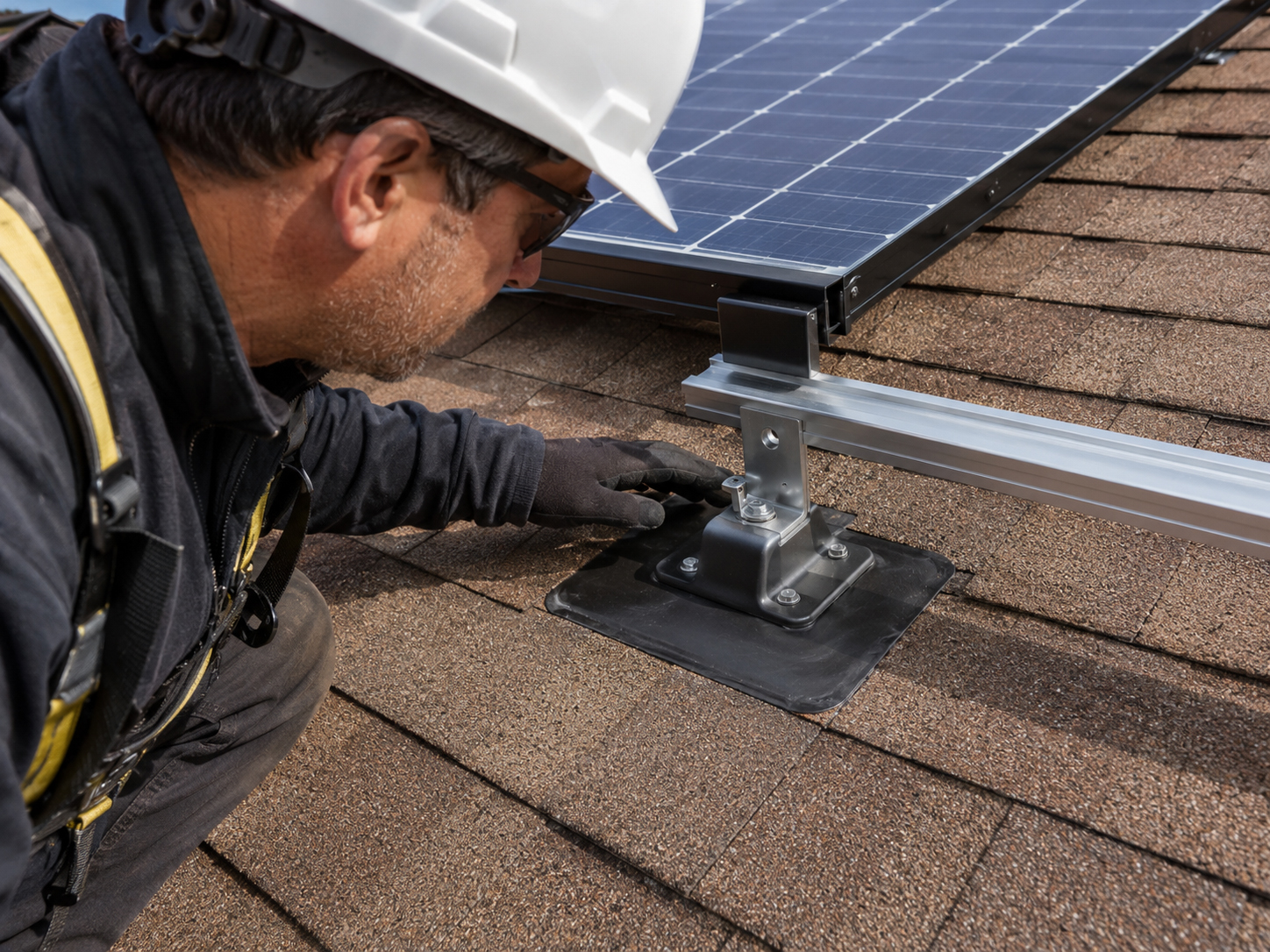
Where cooperation matters
The roof and solar scopes overlap.
The cleanest projects identify that overlap early, instead of arguing about it after there is a problem.
Roof condition
The roofer can help determine whether the roof should be repaired or replaced before solar is installed.
Water path
Solar mounting must respect how water moves across shingles, tile, metal, membranes, valleys, and transitions.
Flashing strategy
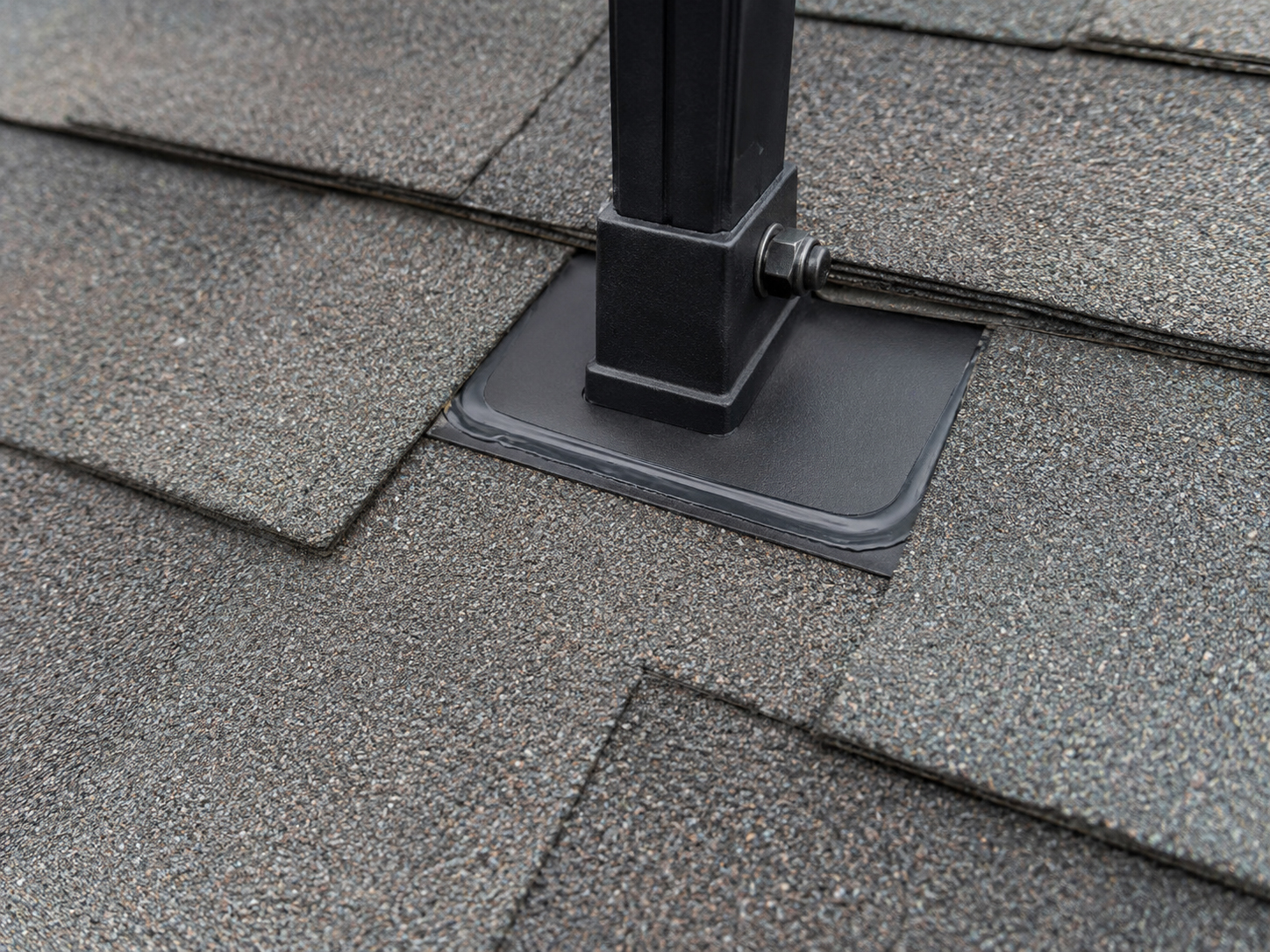
Mounting feet and penetrations need flashing details that work with the roof, not against it.
Roof warranty
Solar work can affect roof warranty questions. The project should consider warranty documents and roofing responsibilities.
Service access
Future roof work, leak investigation, panel removal, and maintenance access should be considered before installation.
Inspection timing
Important roof-protection details should be inspected or documented before panels hide the work.

Before solar
The roofer should see the roof before solar hides it.
Solar panels can make a roof harder to service later.
If the roof is old, worn, patched, brittle, leaking, or near the end of its useful life, the best time to address that issue is before the solar array is installed. Removing and reinstalling panels later can add cost, complexity, and conflict.
Practical rule: do not let a solar installation bury a roofing problem. Review the roof first, especially when roof age or condition is uncertain.
Questions for coordination
What should the roofer and solar contractor discuss?
These questions keep the project practical and reduce surprises.
Roofing questions
- How old is the roof?
- Has the roof leaked before?
- Are there known patches, repairs, or weak areas?
- Is the roof near the end of its service life?
- Are there warranty limits or manufacturer requirements?
- Should roofing work happen before solar mounting?
Solar mounting questions
- Where will mounting feet be located?
- How will penetrations be flashed and sealed?
- Where are the rafters or structural targets?
- Will the roof-protection details be visible for inspection?
- How will future roof service be handled?
- Who documents the waterproofing details before concealment?
Plain-language summary: roofers and solar contractors should talk before installation, not after a homeowner finds a water stain.
Waterproofing first
The solar crew must respect the water path.
A solar array can be electrically perfect and still create a roofing problem if waterproofing is mishandled.
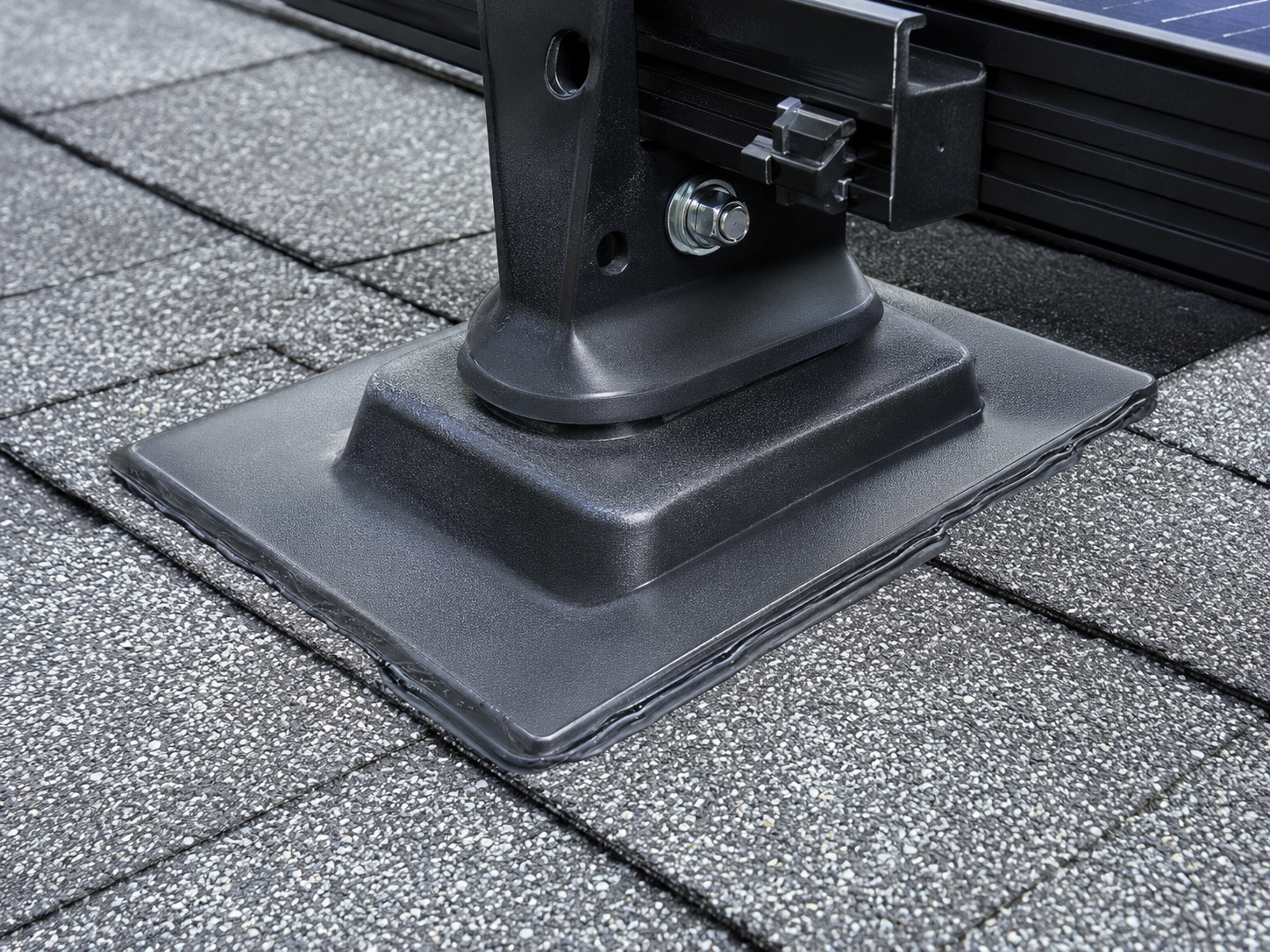
The solar contractor should be able to explain how each penetration is handled: where the attachment lands, how the flashing integrates with the roof, what sealant is used, what gets inspected, and what documentation exists before panels cover the detail.
Find the structural target and avoid roof areas that create unnecessary water risk.
Integrate the mount into the roof assembly and water-shedding path.
Photograph or inspect the detail before it disappears under rails and modules.
Roof-type cooperation
Different roofs need different trade coordination.
The roofer’s role may be simple on one project and essential on another.
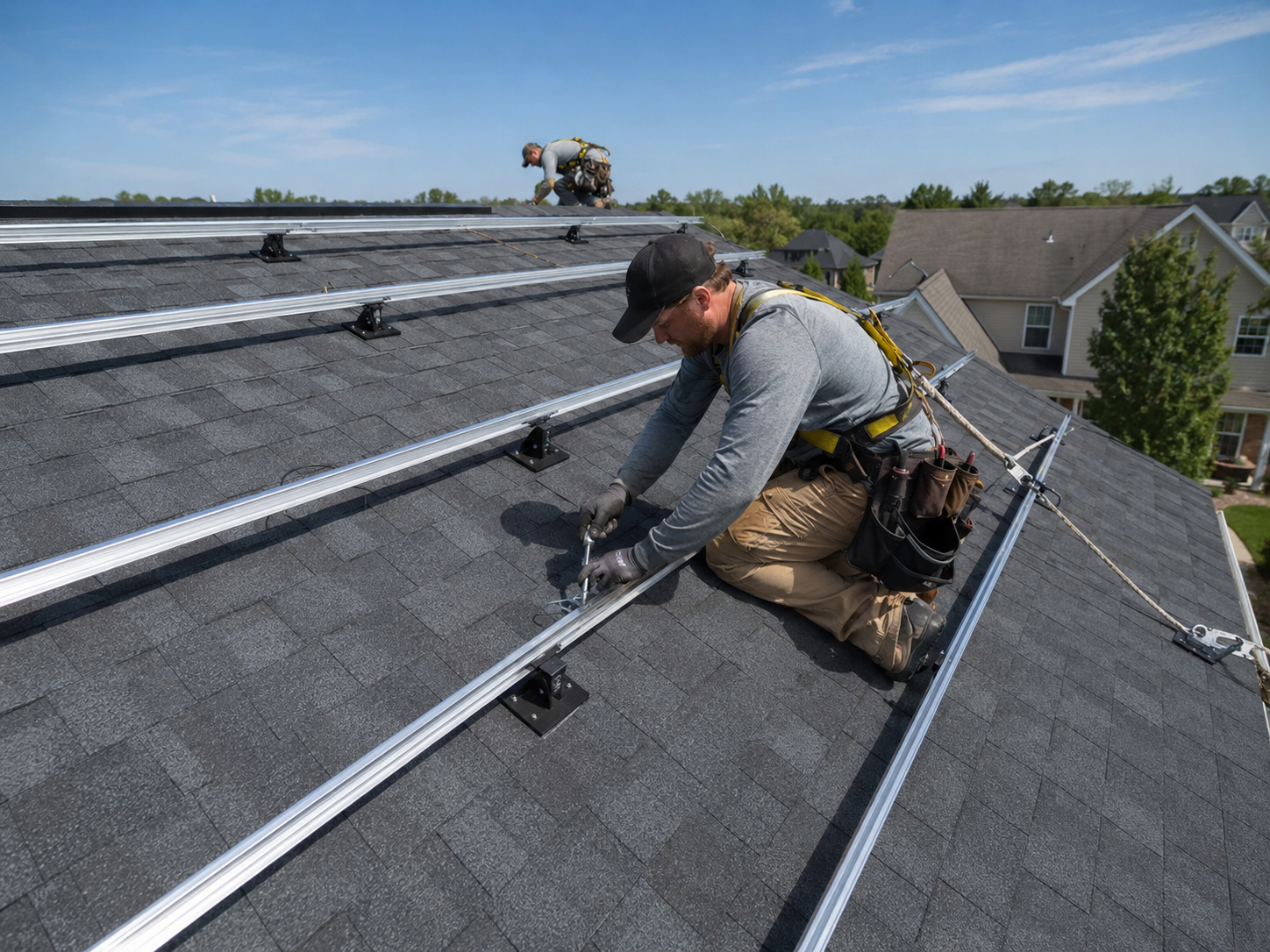
Composition Shingle
Coordinate flashing, shingle overlap, roof age, rafter attachment, and inspection timing.
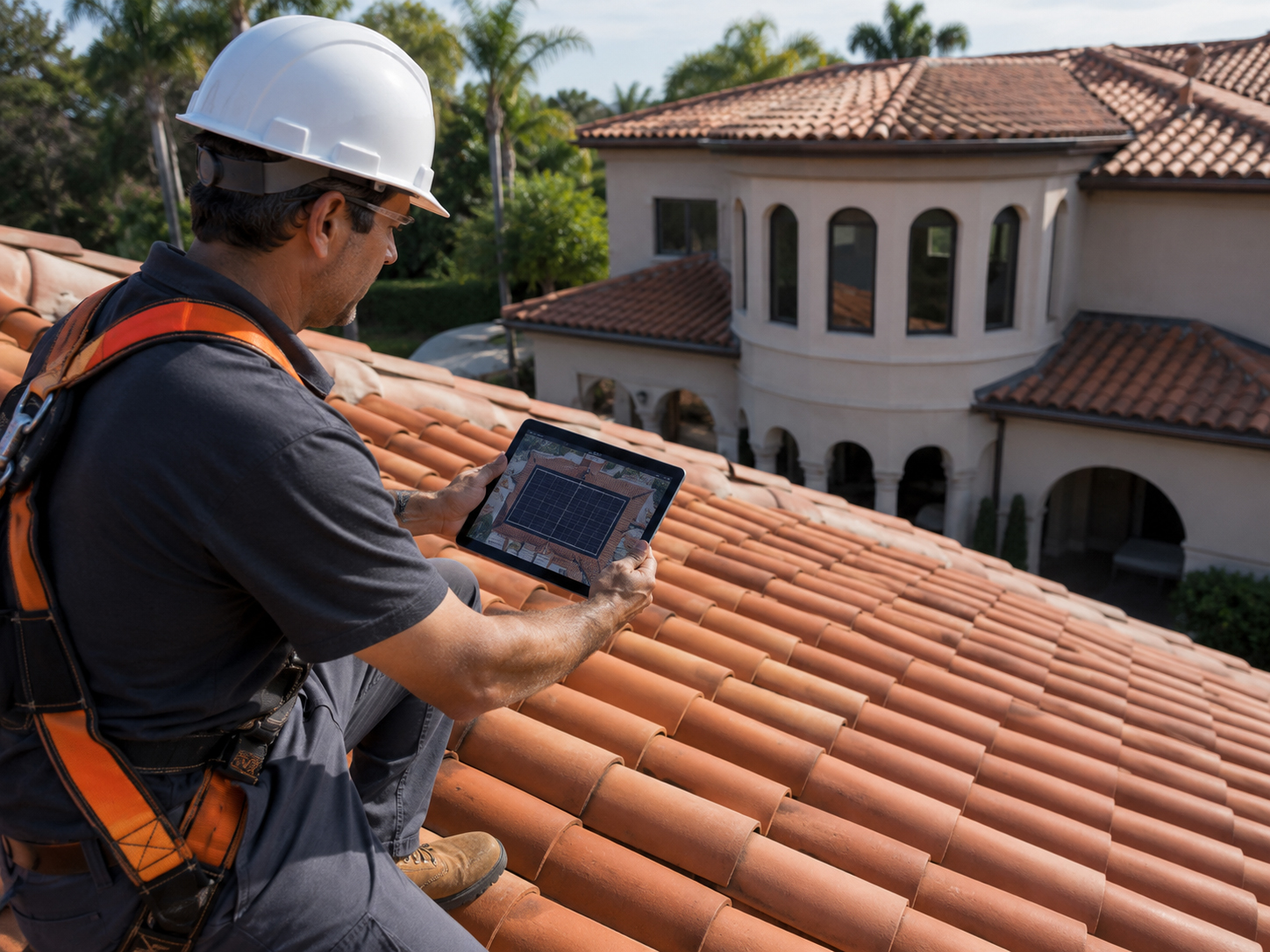
Tile Roof Review
Coordinate tile condition, underlayment age, roof access, serviceability, and project-specific method review.
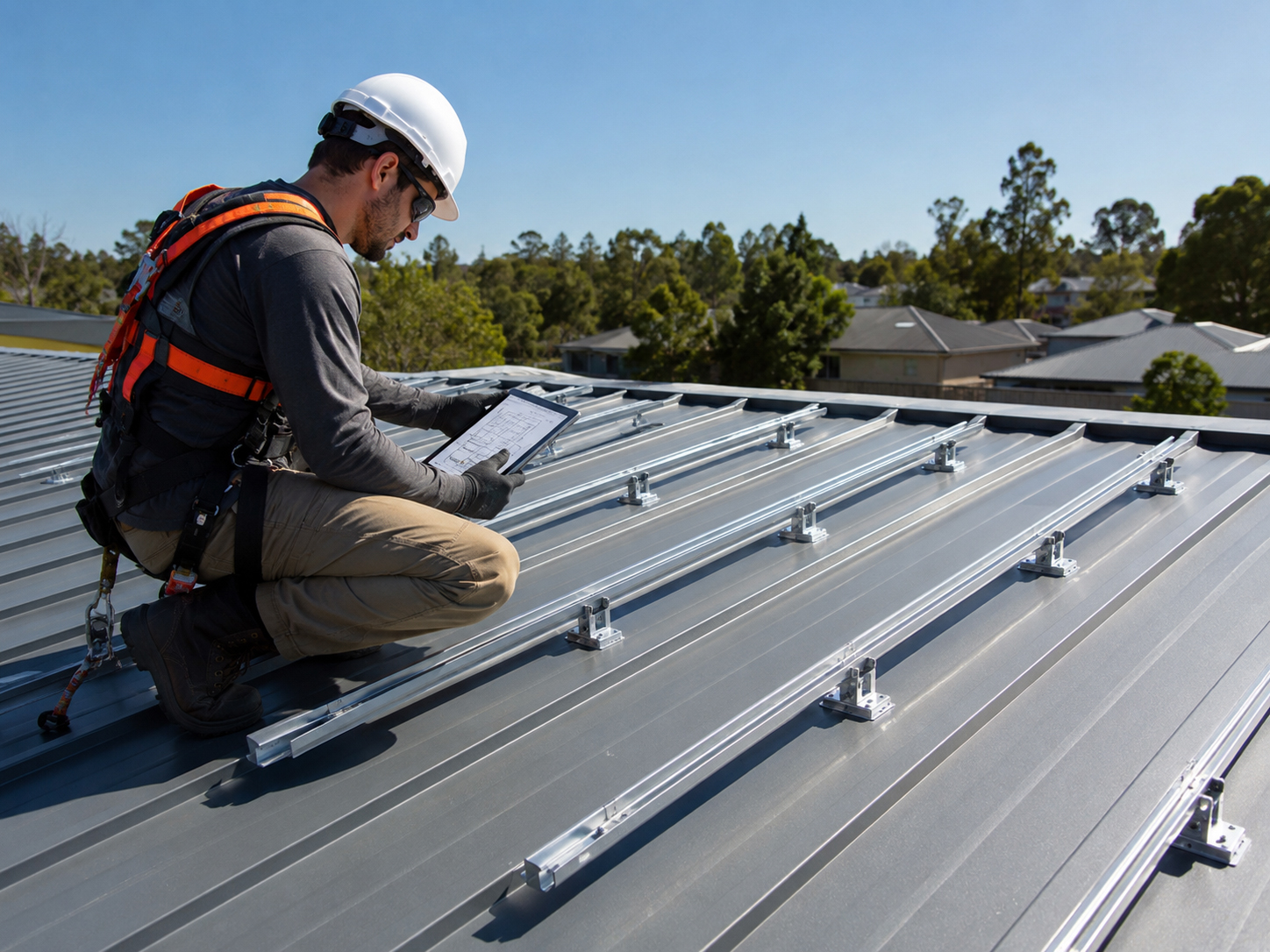
Metal Roofs
Coordinate profile, seams, coatings, roof manufacturer guidance, penetrations, and clamps where applicable.
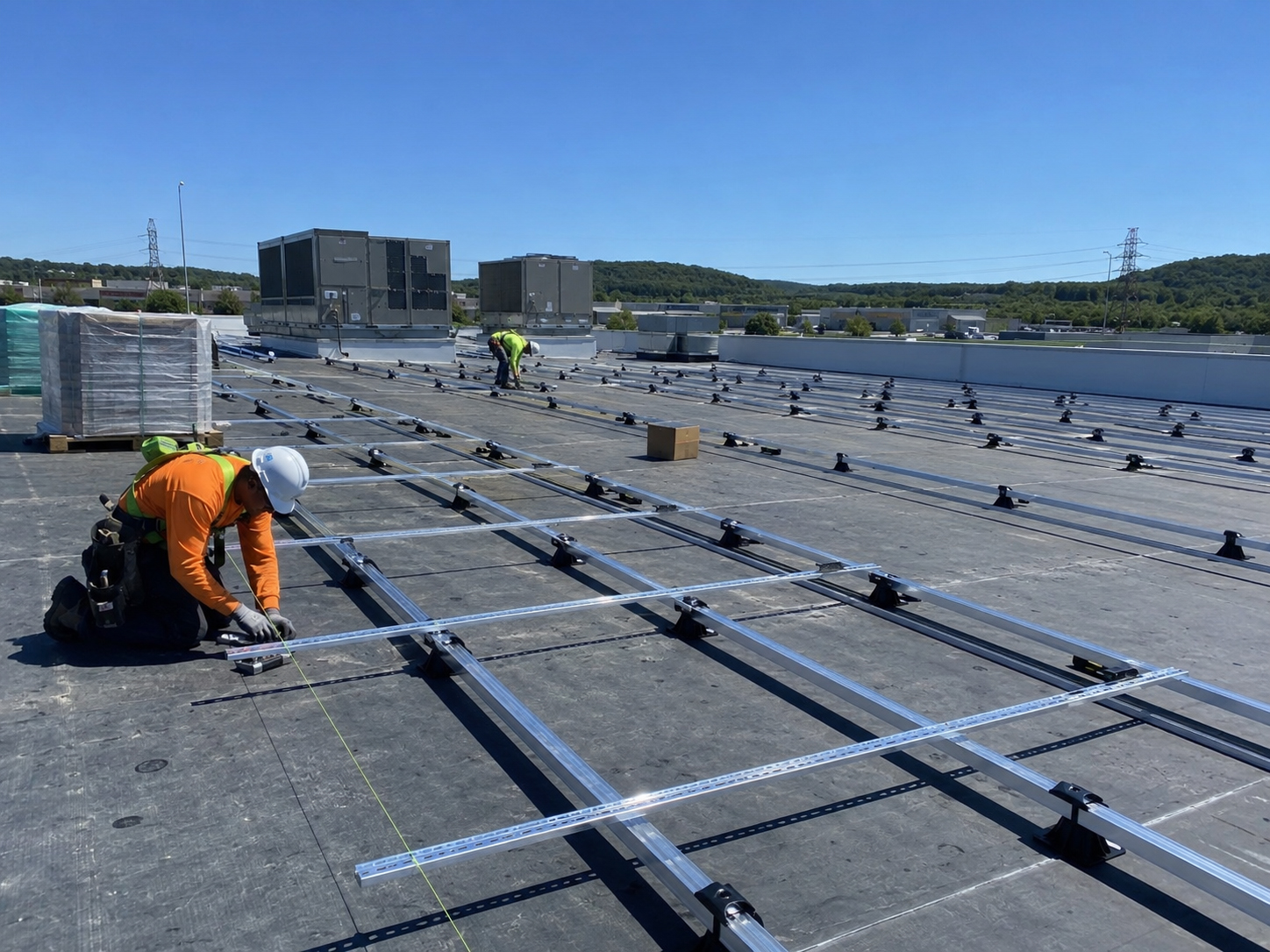
Flat Roofs
Coordinate membrane protection, drainage, ballast, walk pads, roof load, and access paths.
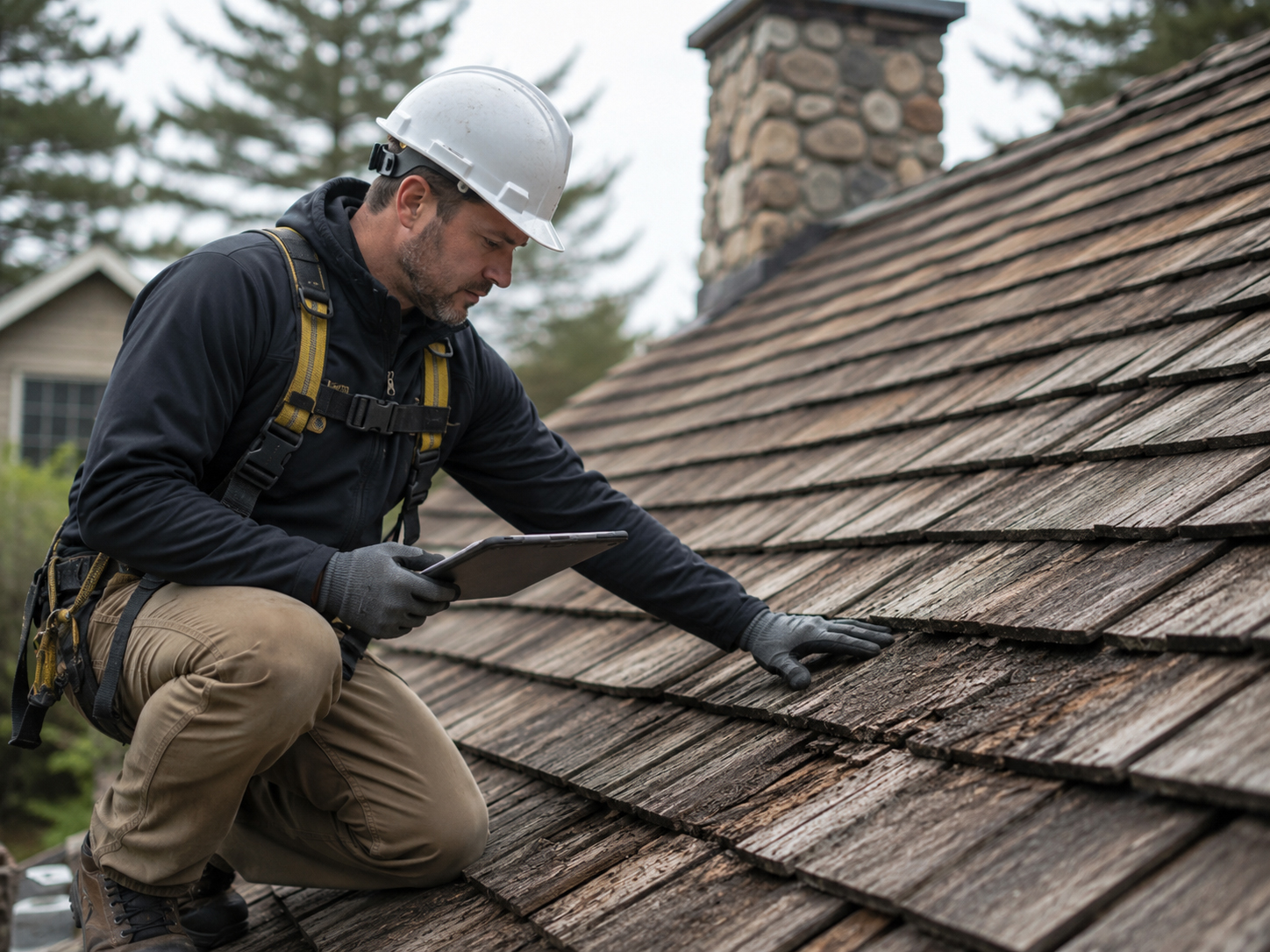
Wood Shake
Coordinate roof condition, fire-safety awareness, age, serviceability, and whether solar is appropriate.

Unique Roofs
Coordinate hips, valleys, dormers, skylights, mixed materials, steep slopes, and access limits.

Permit and inspection
Good coordination should show up in the plan set.
The plan set should not leave the roof-protection strategy to guesswork.
The project documents should support the field work: roof type, layout, attachment approach, structural notes where required, equipment placement, inspection requirements, and details that help the installation team do the work cleanly.
Important: SolarMount.com is educational. Actual roofing, structural, waterproofing, permit, and installation decisions must follow approved plans, manufacturer instructions, local code, and qualified professional review where required.
Homeowner protection
The homeowner should not be stuck between trades.
Clear communication reduces finger-pointing later.
Homeowners should know whether the roof is ready, whether a roofer has reviewed it, who is responsible for roof penetrations, how mounting details are flashed, what gets photographed, and how future roof service will be handled.
Good homeowner question: “Do you recommend a roofer review before solar, and how will you document the roof penetrations before panels cover them?”

Related field guide pages
Continue the roofer-solar coordination review.
Coordination conclusion
The best solar roof is planned by people who respect the roof.
Roofers and solar contractors do not need to fight. They need to coordinate: roof condition, water path, mounting method, flashing, inspection, and future service.