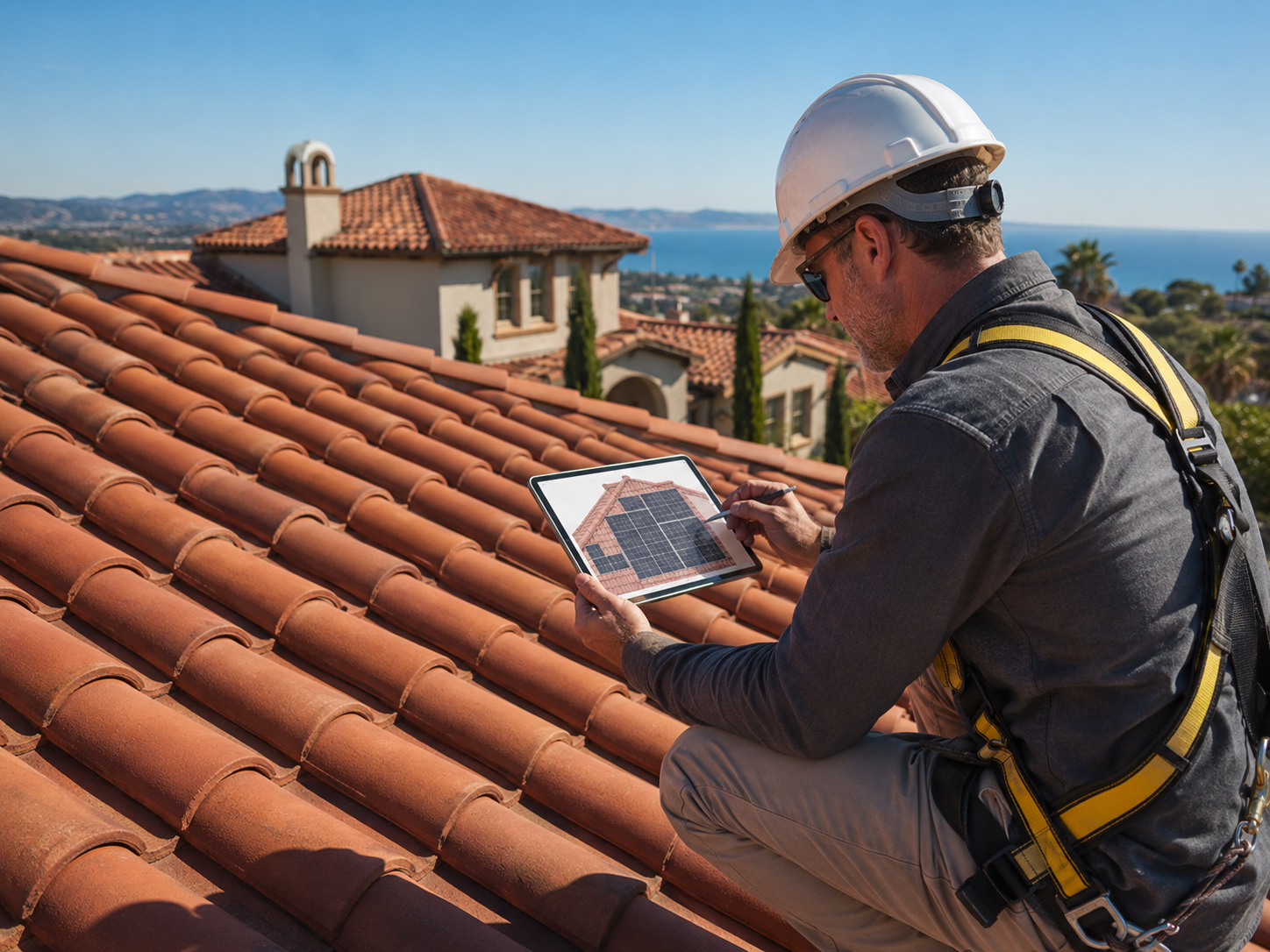
Tile roof field guide
Spanish tile solar mounting requires careful roof review.
Spanish tile roofs are beautiful, durable, and complicated. Solar mounting on these roofs should begin with roof condition, tile condition, underlayment, waterproofing, access, serviceability, and a project-specific installation method.
Project-specific review
Spanish tile is not a generic mounting surface.
A tile roof is a roof assembly, not just a pattern of curved clay or concrete pieces.
The visible tile is only part of the system. Underlayment, battens, roof deck, flashing, tile condition, walking access, water path, rafter locations, roof age, and future service all affect the solar mounting decision. The correct method depends on the specific roof, not on a one-size-fits-all assumption.
SolarMount.com rule: for Spanish tile roofs, review the roof assembly first. The mounting method should be selected only after the roof condition, underlayment, access, waterproofing path, and serviceability are understood.
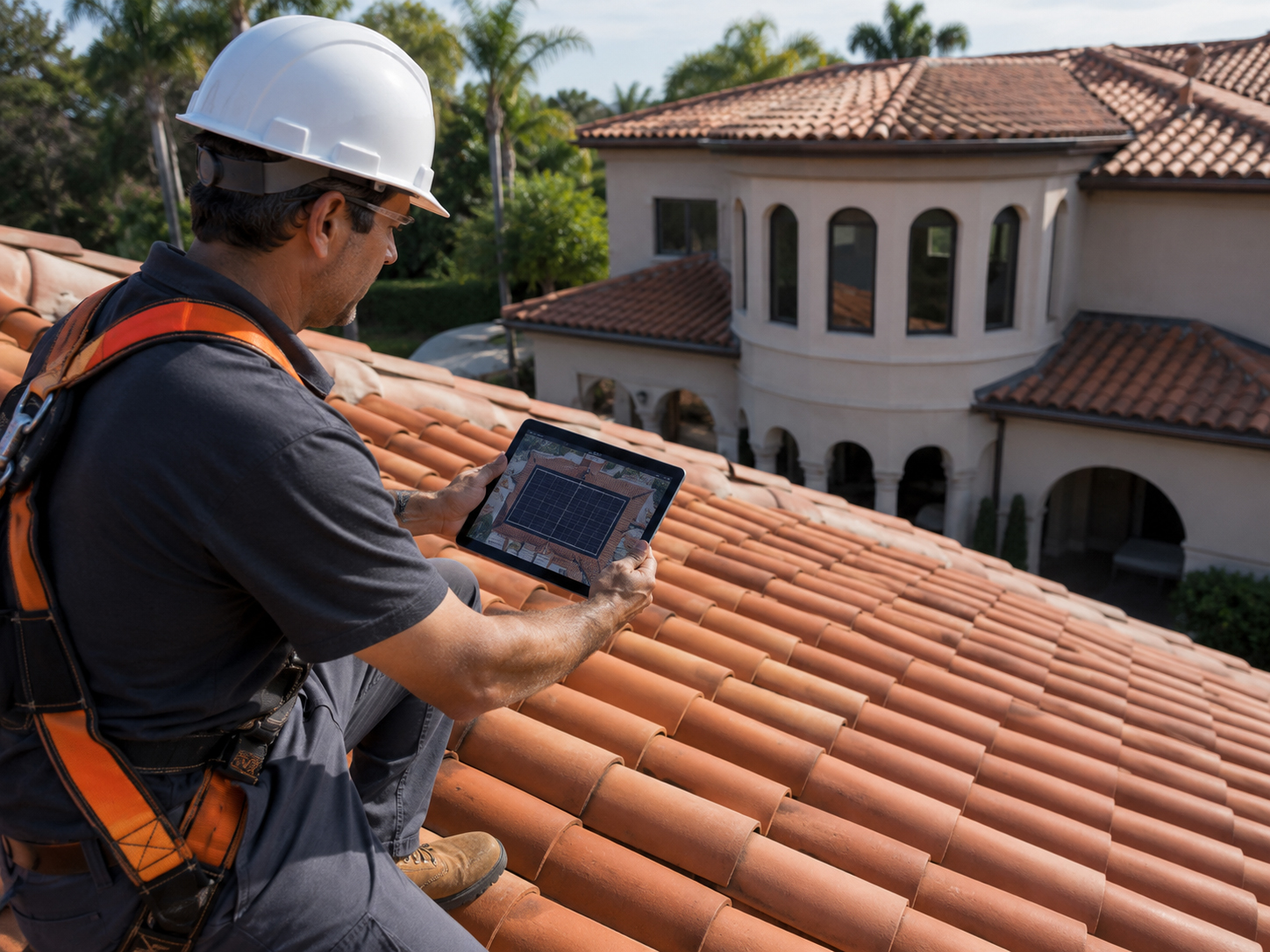
Spanish tile checklist
What should be reviewed before solar is mounted?
The first question is not “How many panels fit?” The first question is whether the roof assembly is ready for the solar mounting method.
Tile condition
Review cracked, broken, loose, brittle, mismatched, or previously repaired tiles before planning the array layout.
Underlayment age
On many tile roofs, the underlayment is the true waterproofing layer. Its age and condition matter before solar is added.
Roof access
Spanish tile can be fragile under foot traffic. Installation access, staging, and service pathways should be planned carefully.
Water path
Tile roofs move water through channels, laps, underlayment, and flashing. Solar mounting must respect that path.
Rafter layout
Attachment points still need structural logic. The visible tile pattern does not automatically reveal the framing below.
Future service
Tile replacement, underlayment service, roof access, and possible future panel removal should be considered before installation.
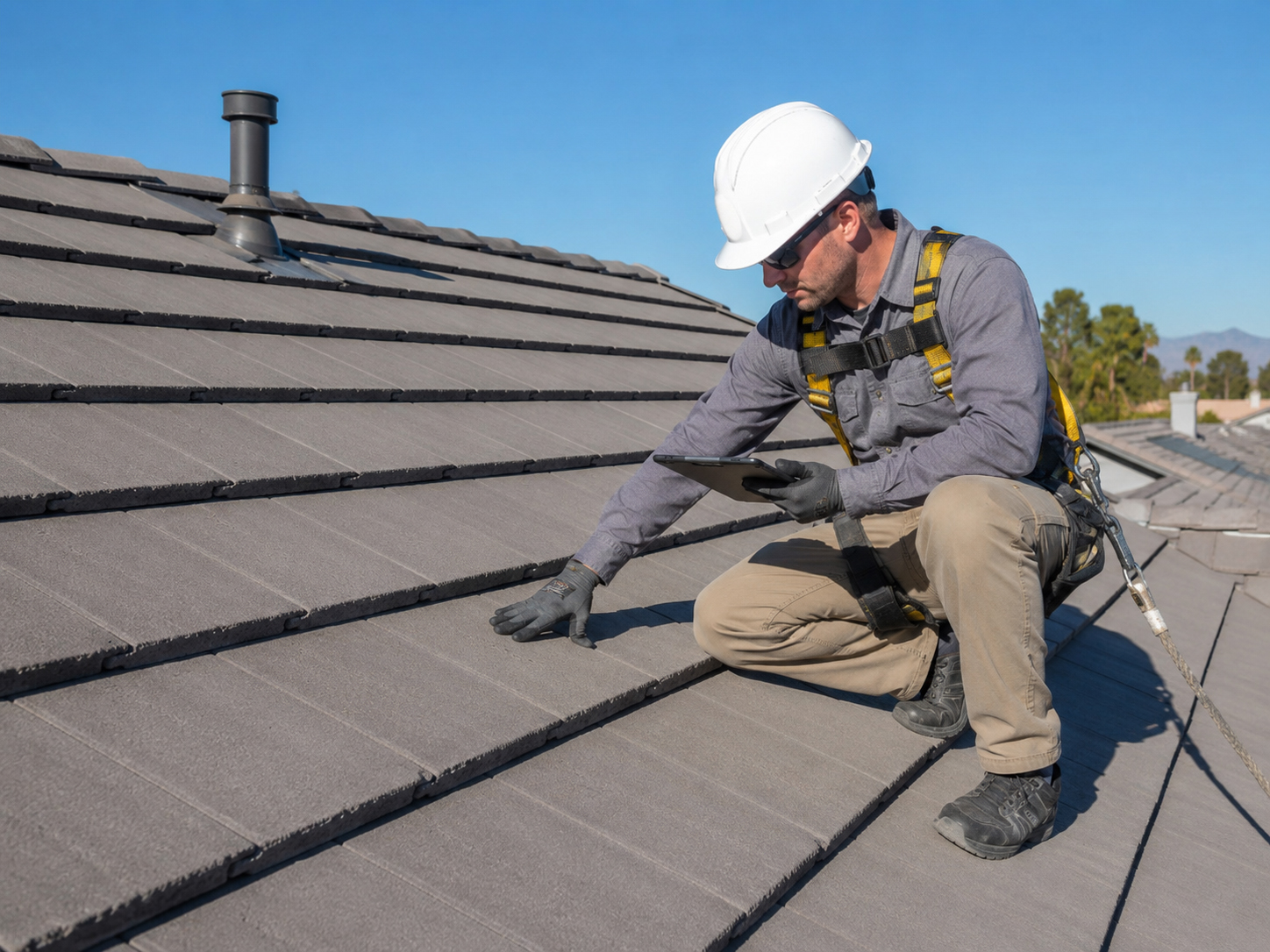
Underlayment matters
The visible tile is not the whole roof.
On tile roofs, the underlayment often carries the serious waterproofing responsibility.
Spanish tile creates the architectural look and sheds much of the water, but the roof assembly below the tile must also be considered. Old or damaged underlayment can turn a beautiful roof into a poor solar candidate until roofing work is addressed.
Practical rule: do not let solar panels hide an aging tile-roof underlayment problem. Review the roof assembly before the mounting method is selected.
Mounting method review
Spanish tile mounting should be planned around the roof, not forced onto it.
The method should protect the roof, preserve serviceability, and avoid unnecessary damage.
Before selecting the method
- Identify whether the tile is clay, concrete, S-tile, barrel tile, or another profile.
- Review tile condition and availability of replacement pieces.
- Review underlayment age and evidence of prior leaks.
- Review roof slope, hips, valleys, ridges, and access limitations.
- Confirm structural targets and attachment layout.
- Consider whether roofing work should occur before solar.
Before panels cover the work
- Verify the mounting method matches the roof-specific plan.
- Verify the waterproofing layer is protected.
- Verify flashing and water path details.
- Verify replacement or reset tile work where applicable.
- Document important details with photos where useful.
- Confirm service access and inspection readiness.
Important: this page is educational. Actual Spanish tile roof mounting, waterproofing, flashing, underlayment repair, structural attachment, and inspection requirements must follow the approved plan set, manufacturer instructions, roofing requirements, engineering requirements, local code, and qualified professional judgment.
Waterproofing first
The solar mounting plan must respect the tile roof’s water system.
Spanish tile roofs are visually strong, but water management happens through the entire assembly.
The mounting plan should consider how water moves over tile, under tile, around penetrations, across valleys, and into flashing transitions. The project should avoid hiding questionable waterproofing under a finished array.
Tile, underlayment, deck, flashing, slope, and drainage all matter.
The method should fit the roof condition and long-term service plan.
The roof-protection details should be verified before the array covers them.
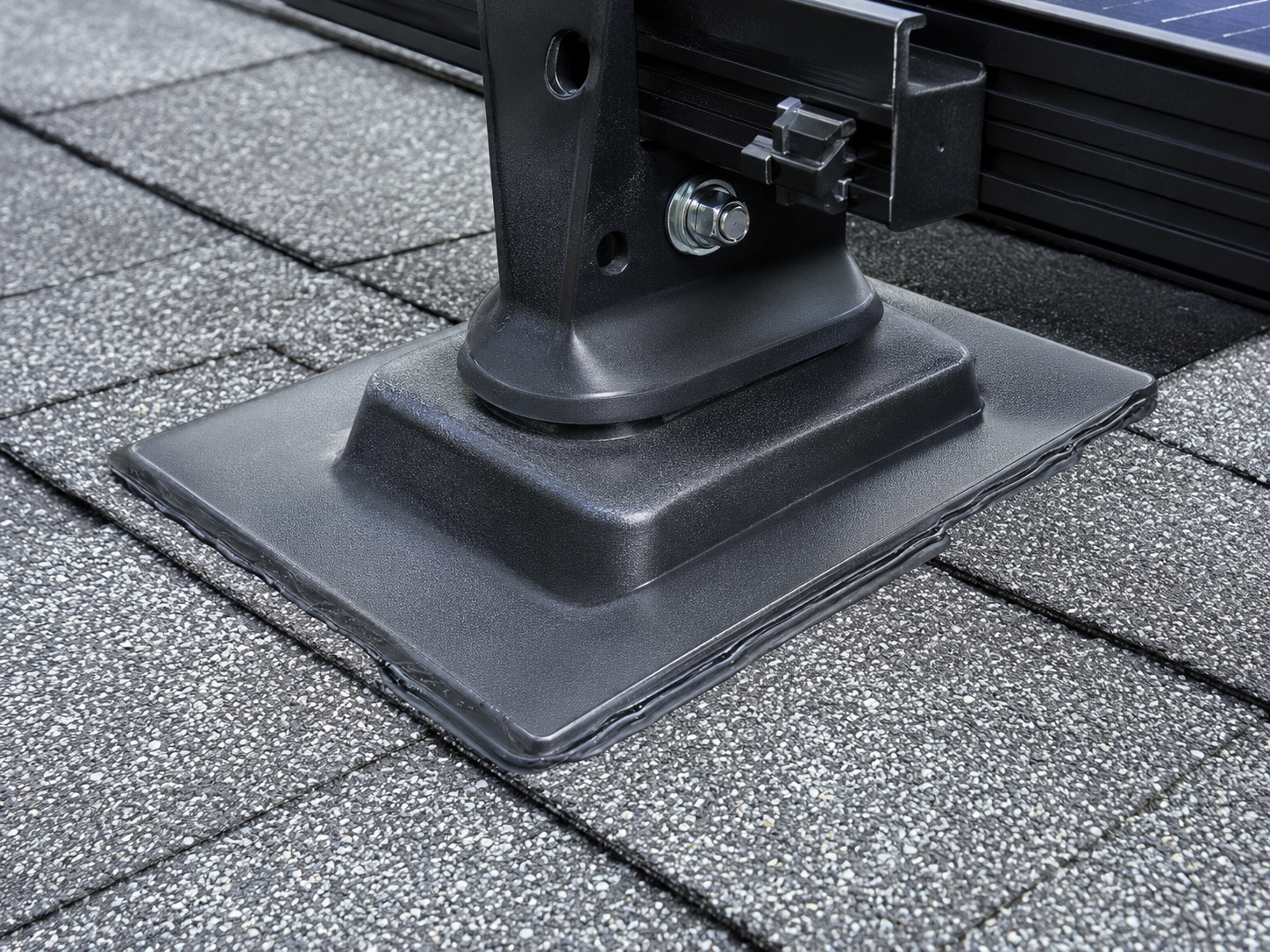
Access and serviceability
Tile roofs need a service plan.
The array layout should consider more than panel count.
Spanish tile roofs can be difficult to walk, repair, and service after the array is installed. The project should consider replacement tile access, future underlayment work, roof maintenance, panel removal, attic access, and how a roofer or solar technician will safely service the system later.
Safe access
Installation and future service should avoid unnecessary tile breakage and unsafe roof traffic.
Replacement tiles
If tiles break or need to be reset, matching replacement material may matter.
Future work
Underlayment or roof repair later may require panel removal. That should be considered now.
Plain-language summary: on Spanish tile, the solar layout should respect the roof’s future, not just today’s installation.
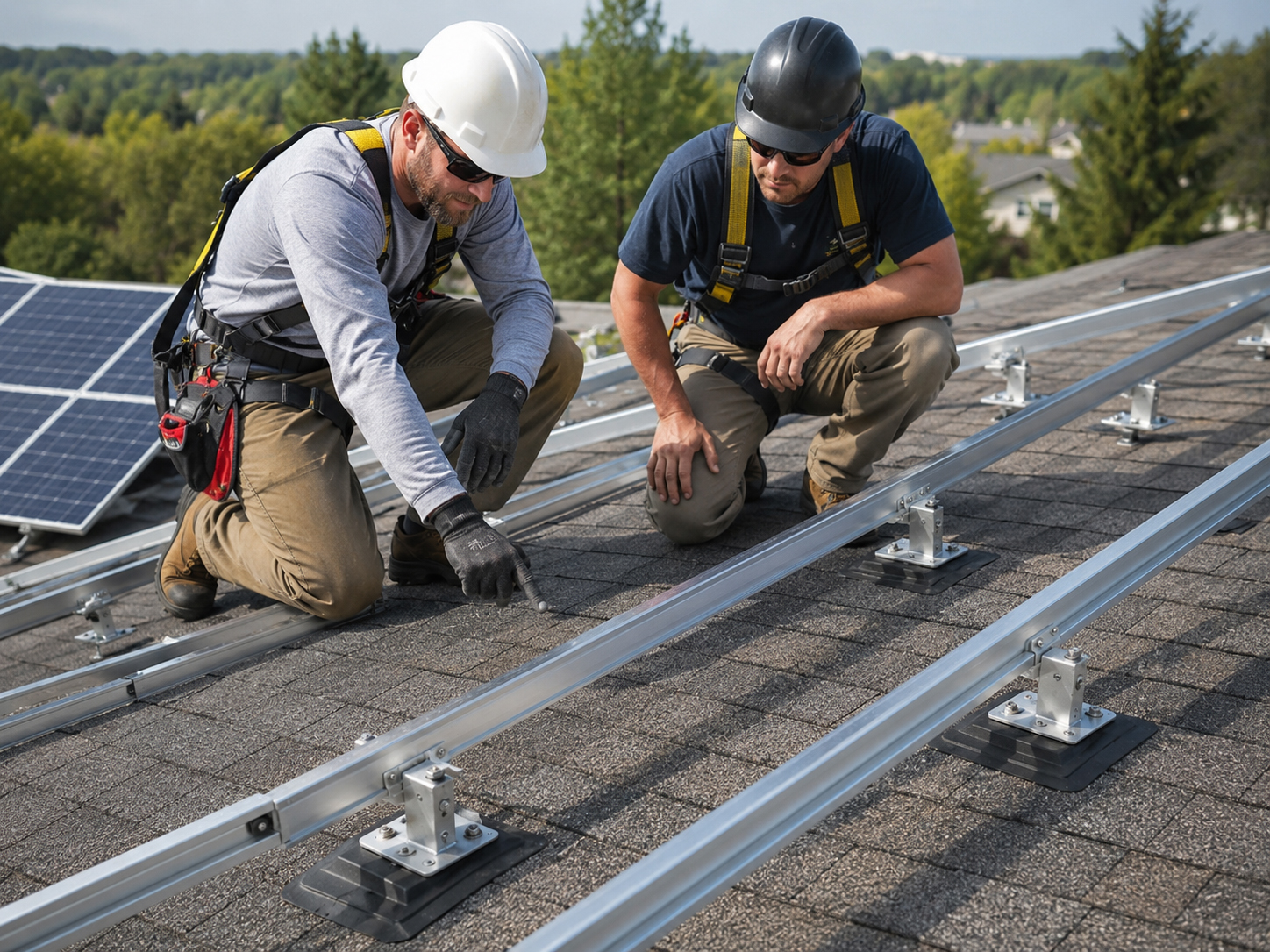
Roofer and solar contractor
Spanish tile projects benefit from roofing judgment.
The solar contractor sees the array. The roofer sees the roof assembly and water path.
On Spanish tile roofs, it can be useful for the roofer and solar contractor to coordinate before installation begins. The discussion should include tile condition, underlayment, broken tiles, flashing, roof age, access, staging, and future service expectations.
Practical rule: if the roof condition is uncertain, review it before solar makes the roof harder to reach.
Related tile and roof pages
Continue the tile roof review.
Spanish tile belongs inside a larger tile-roof and waterproofing conversation.
Tile Roof Review
Project-specific tile roof mounting review before selecting the method.
Concrete Tile
Concrete tile roofs require their own condition and serviceability review.
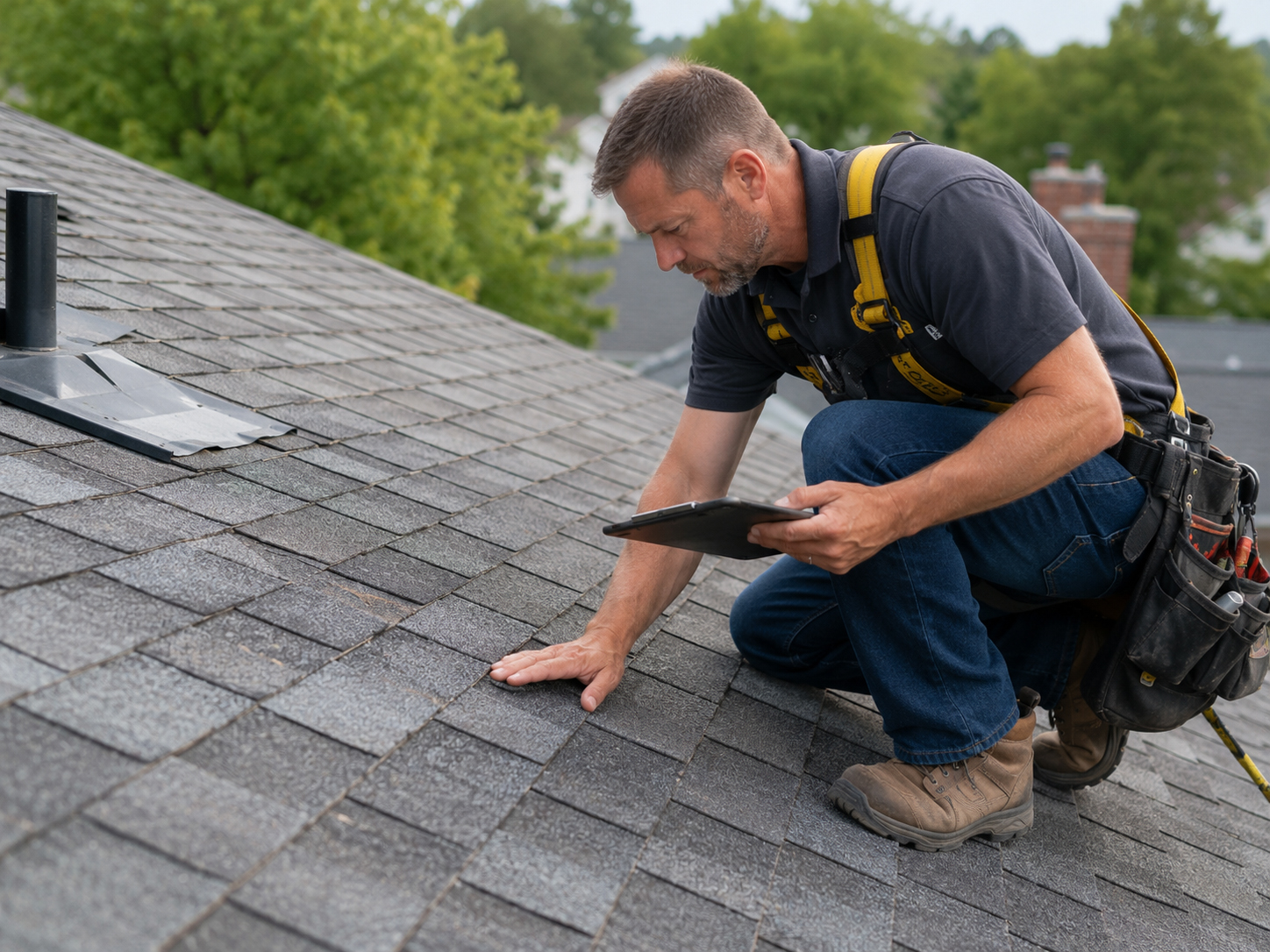
Roof Condition & Age
Tile roof age and underlayment age matter before solar is mounted.
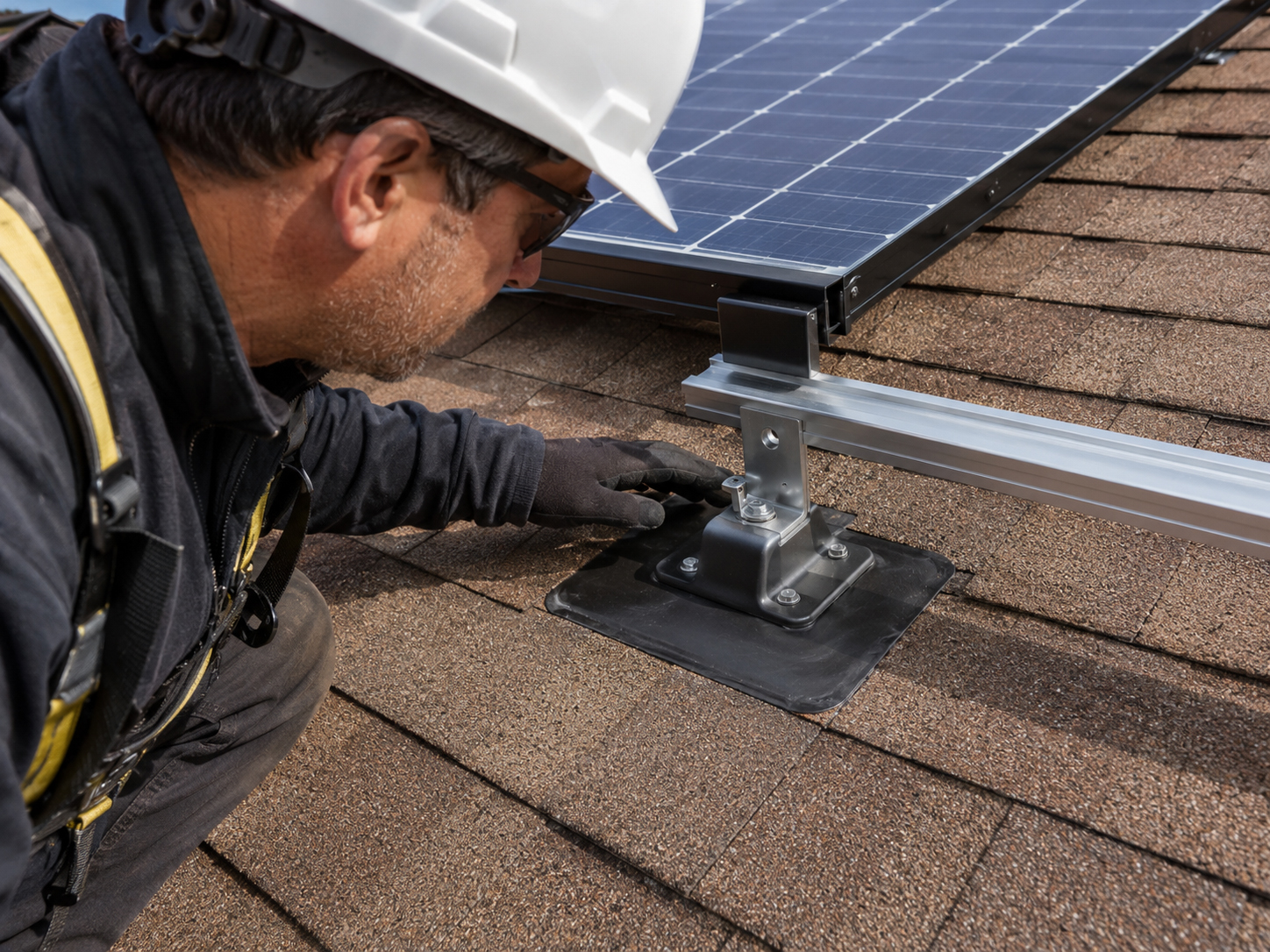
Roof Leak Prevention
Prevent future leak investigations before the array covers the roof.
Homeowner question
What should homeowners ask about Spanish tile solar?
The best questions are simple and practical.
Ask whether the roof condition has been reviewed, whether the underlayment is old, how broken tiles will be handled, how the mounting method protects the roof, what the flashing and waterproofing strategy is, and how the roof can be serviced later.
Good homeowner question: “Before we install solar, has the tile roof and underlayment been reviewed, and how will the system be serviced later without damaging the roof?”


Inspection readiness
The finished work should be explainable.
A Spanish tile solar installation should not leave the roof method mysterious.
The plan set and field work should show how the system is mounted, how the roof is protected, how the array remains serviceable, and how the installation satisfies inspection requirements. Documentation is especially useful when roof details become hidden under the finished array.
Plain-language summary: the tile roof should still be understandable after solar is installed.
Spanish tile conclusion
Respect the roof before mounting the array.
Spanish tile solar mounting should begin with roof condition, underlayment, waterproofing, tile access, serviceability, structural review, and a project-specific method.