Solar Bible Field Guide
Panels make power. Mounting makes the system last.
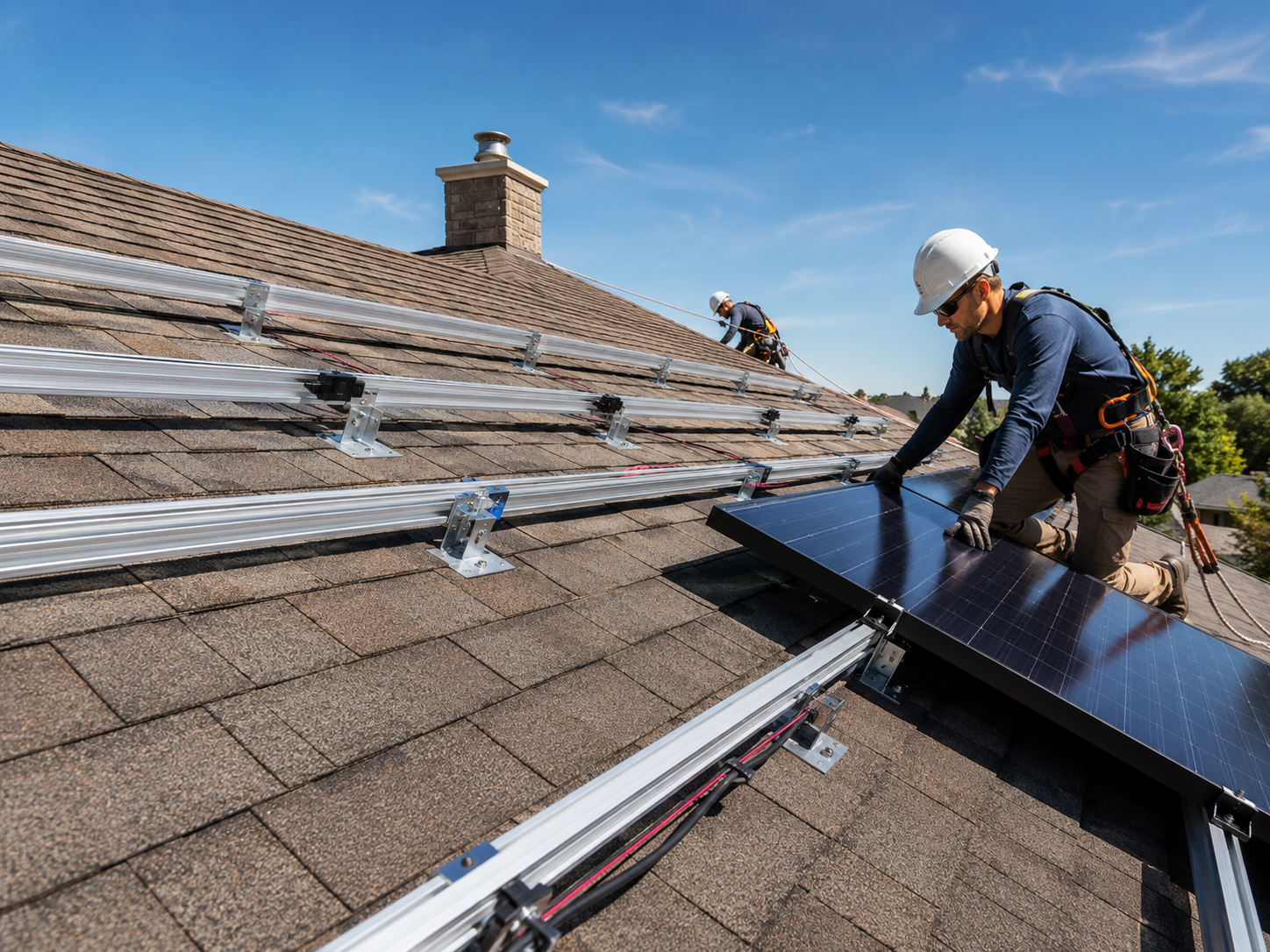
SolarMount.com is the practical ABC Solar field guide to the physical side of solar: roof attachments, racking, flashing, waterproofing, rafters, flat roofs, ballast, carports, ground mounts, and long-term installation durability.
Inspired by The Solar Bible — Illuminating the Path, Bradley L. Bartz’s ABC Solar design/build guide.
The SolarMount.com manifesto
A solar system is only as good as the roof, structure, and waterproofing beneath it.
SolarMount.com exists because homeowners should not have to discover mounting mistakes after panels are already hiding the work. The most important solar details are often the ones customers never see: the rafter, the flashing, the sealant, the load path, the ballast plan, and the inspection moment before concealment.
This field guide starts where the real work starts: with the surface being touched, the structure carrying the load, and the roof system that still has to keep water out.
Three promises
The SolarMount.com standard.
Every good solar mounting conversation should be able to answer these three promises clearly.
Respect the roof.
Roof age, material, condition, underlayment, membrane, drainage, and future service must be reviewed before solar covers the surface.
Follow the structure.
Loads must travel into rafters, framing, ballast, posts, steel, or foundations through a clear and approved path.
Inspect before concealment.
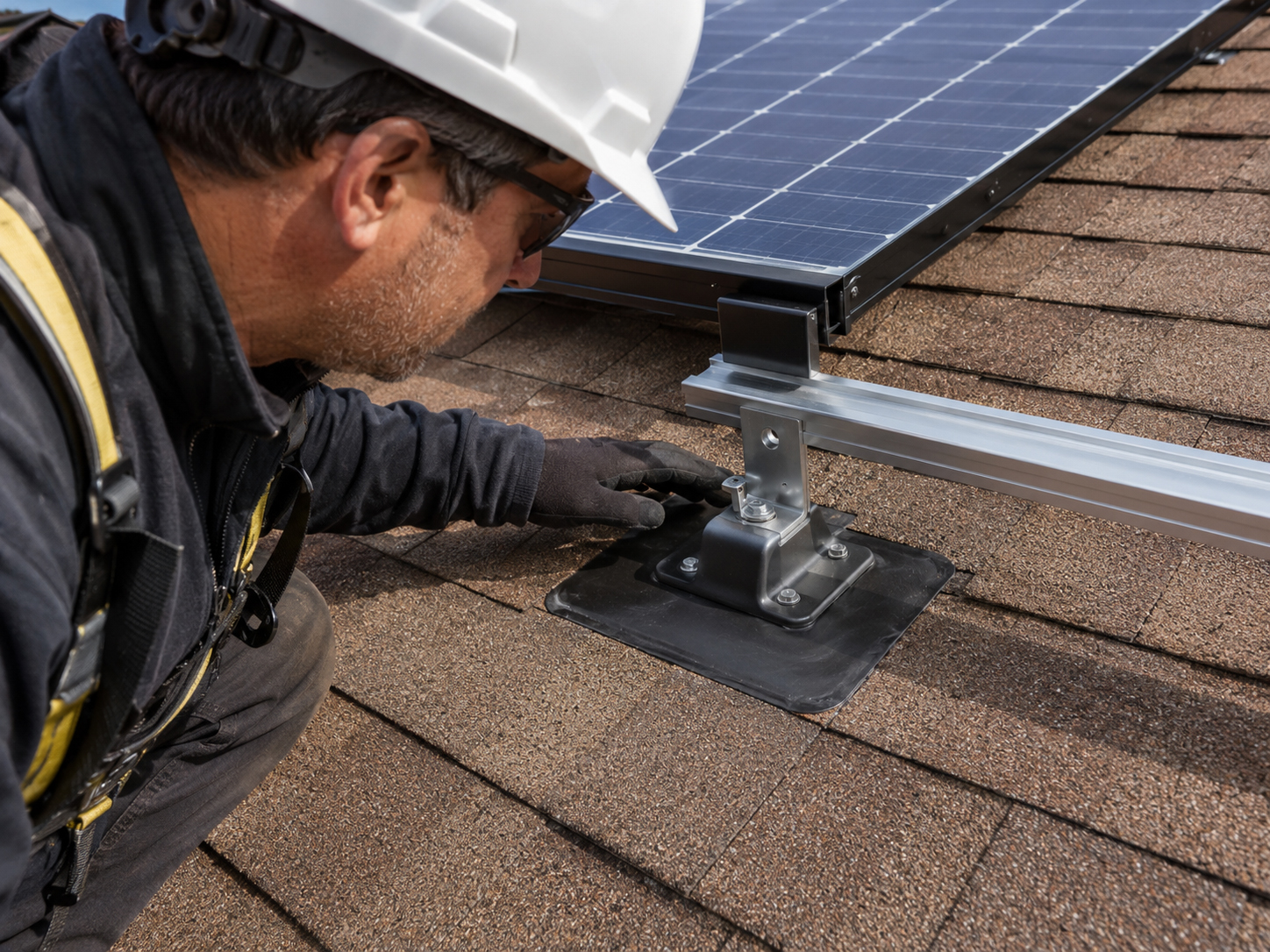
Flashing, sealant, mounting feet, attachments, and roof-protection details should be checked before rails and panels hide them.
The homeowner fear
“Will solar make my roof leak?”
That is not a bad question. It is the right question.
Solar mounting should be explained before the roof is touched. A good installation conversation covers roof age, roof condition, roof penetrations, rafter attachment, flashing, sealant, waterproofing, serviceability, and inspection before concealment.
Field guide rule: do not hide the waterproofing details. The homeowner should understand how the roof is being protected before panels cover the work.
Roof-first solar
Solar mounting is not an afterthought.
A solar proposal often begins with panels, inverters, and production numbers. A real installation begins with the roof.
Roof age, condition, rafters, waterproofing, obstructions, attachment points, service access, electrical routing, and inspection planning should be understood before the first mounting foot is installed.
Roof condition, roof age, available area, slope, orientation, vents, and access.
Rafters, spacing, load path, attachment layout, and engineering questions.
Flashing, sealant discipline, waterproofing layers, and inspection before panels hide the work.
Core field guide
The mounting method spine.
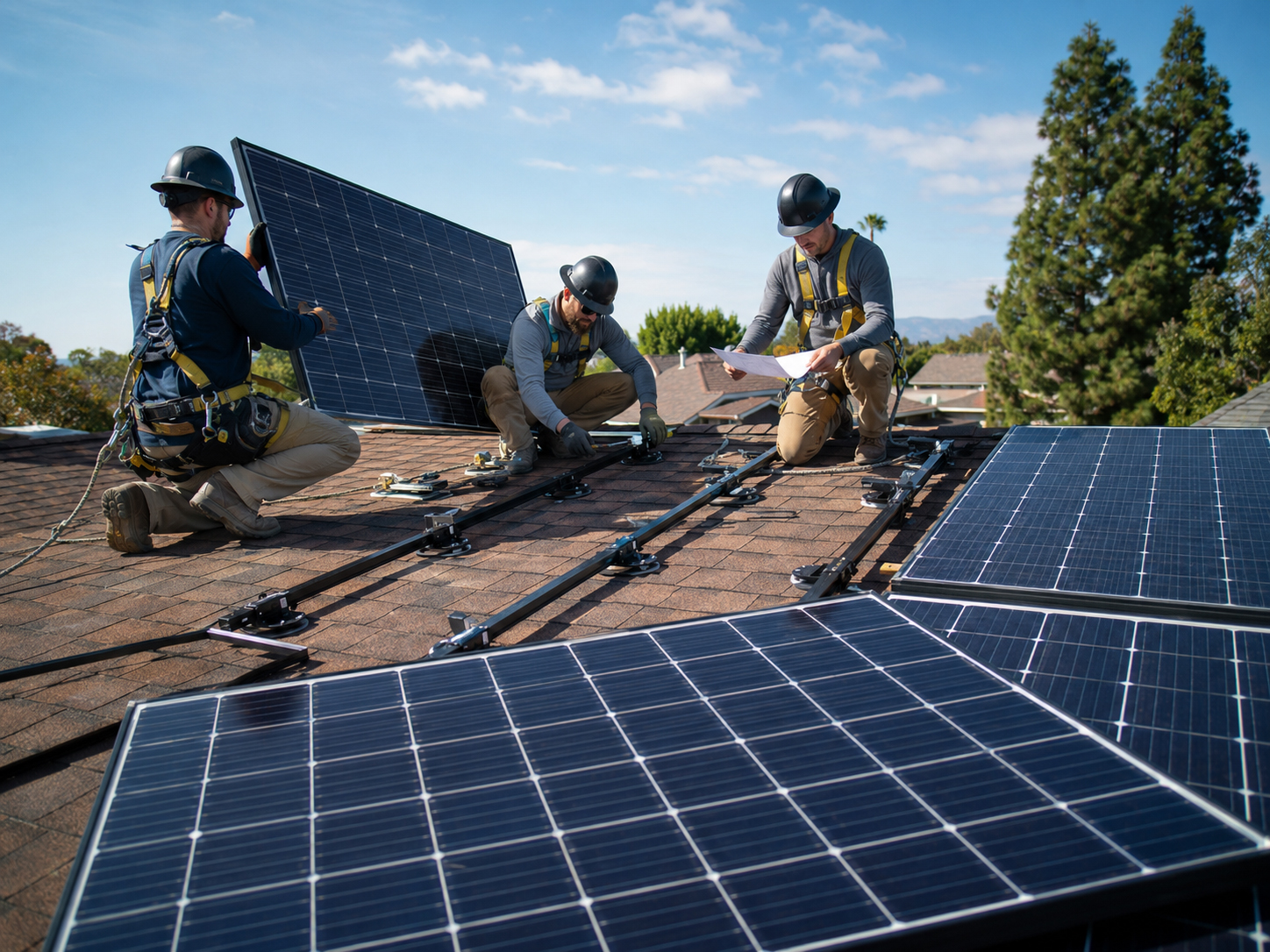
These are the practical pages that make SolarMount.com useful for homeowners, roofers, solar installers, inspectors, and project planners.
Solar Mounting Checklist
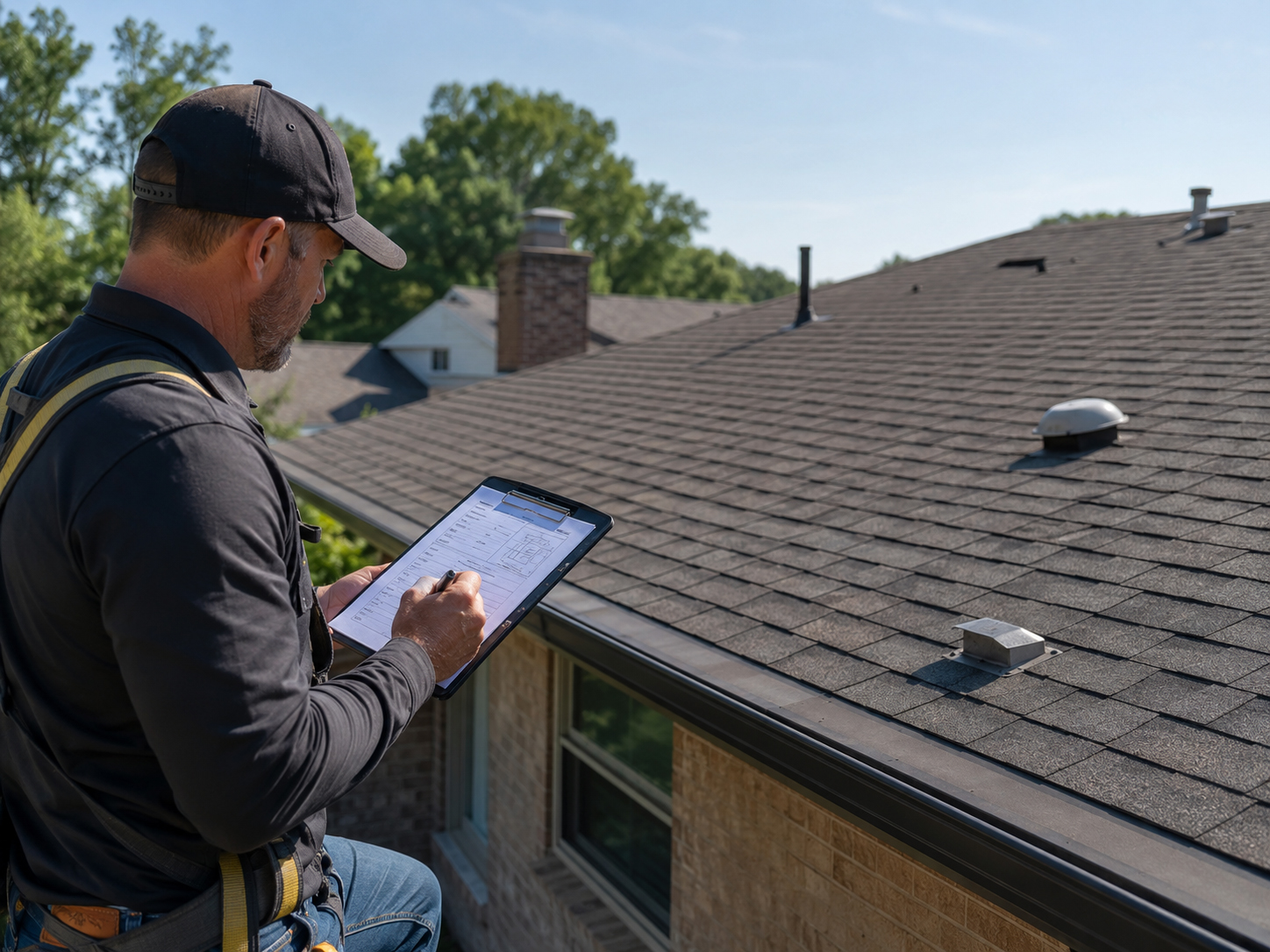
Start with roof type, condition, access, rafters, penetrations, obstructions, and photos.
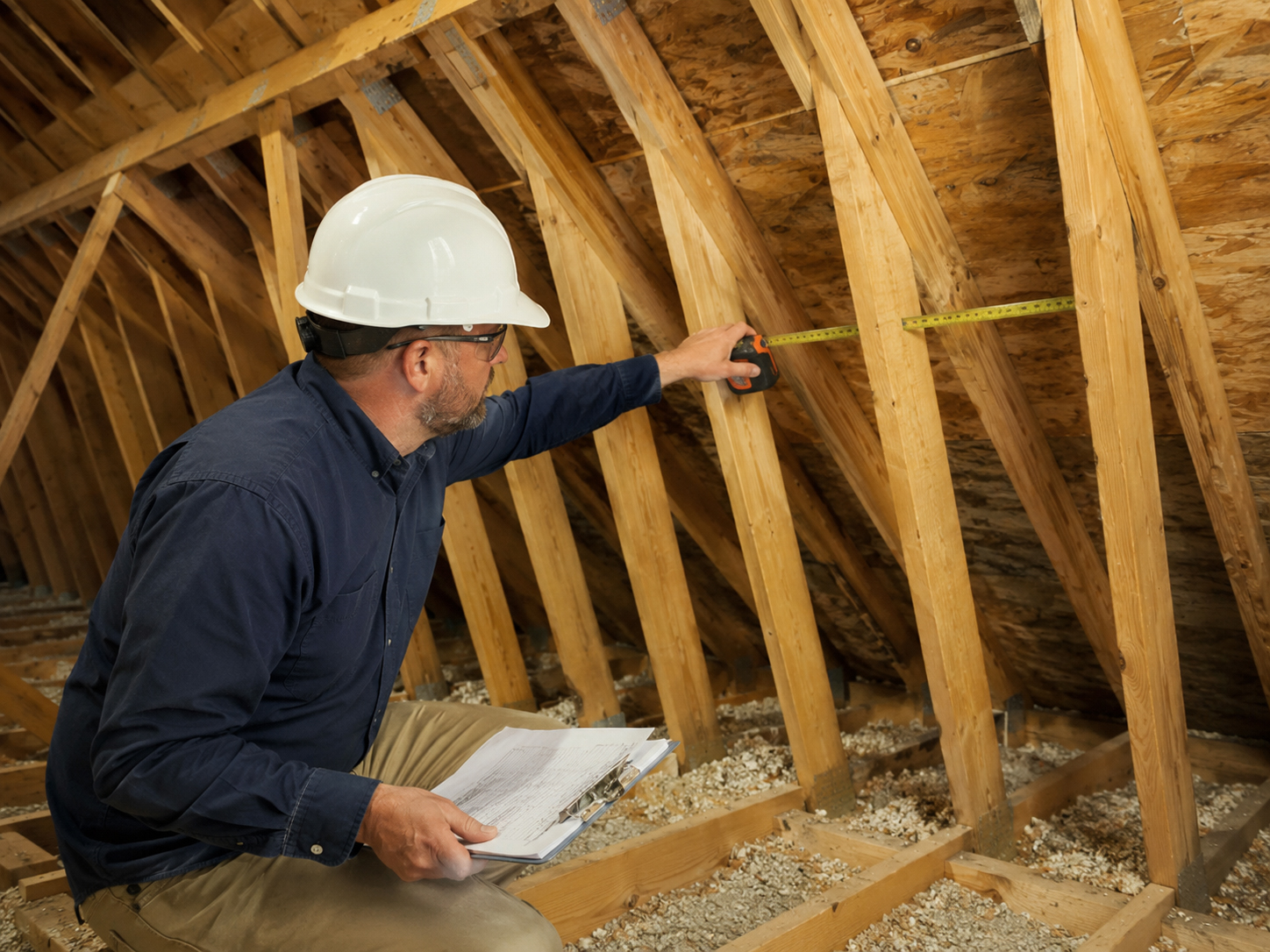
Roof Integrity & Rafters
Solar loads must travel into real framing, not wishful thinking.

Waterproofing Is Job One
The panel is visible. The flashing is what protects the building.
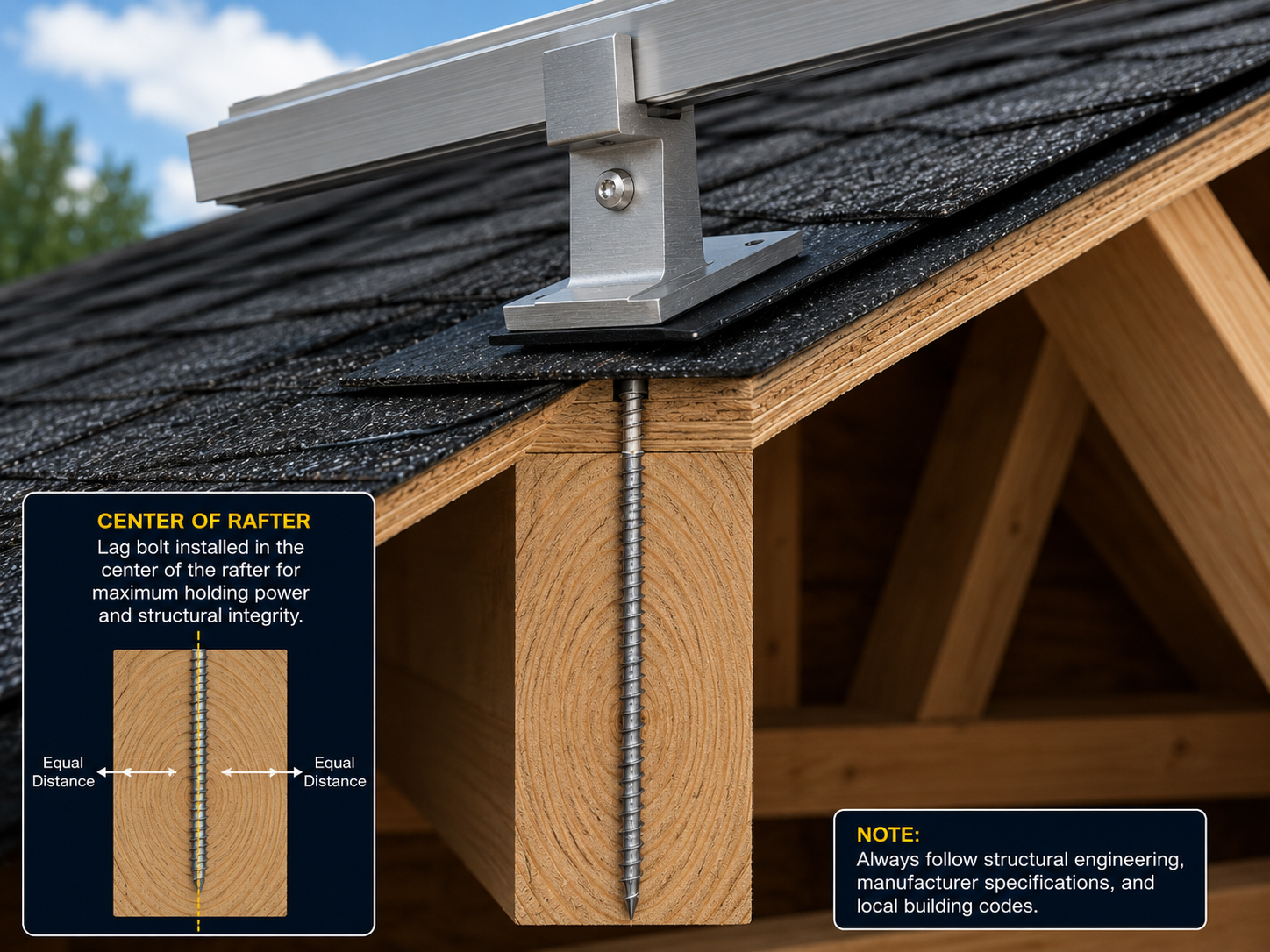
Lag Bolts Into Rafters
Conceptual load-path education for attachment into structural framing.

Flashing & Sealant
Redundant waterproofing details matter before rails and panels cover the work.
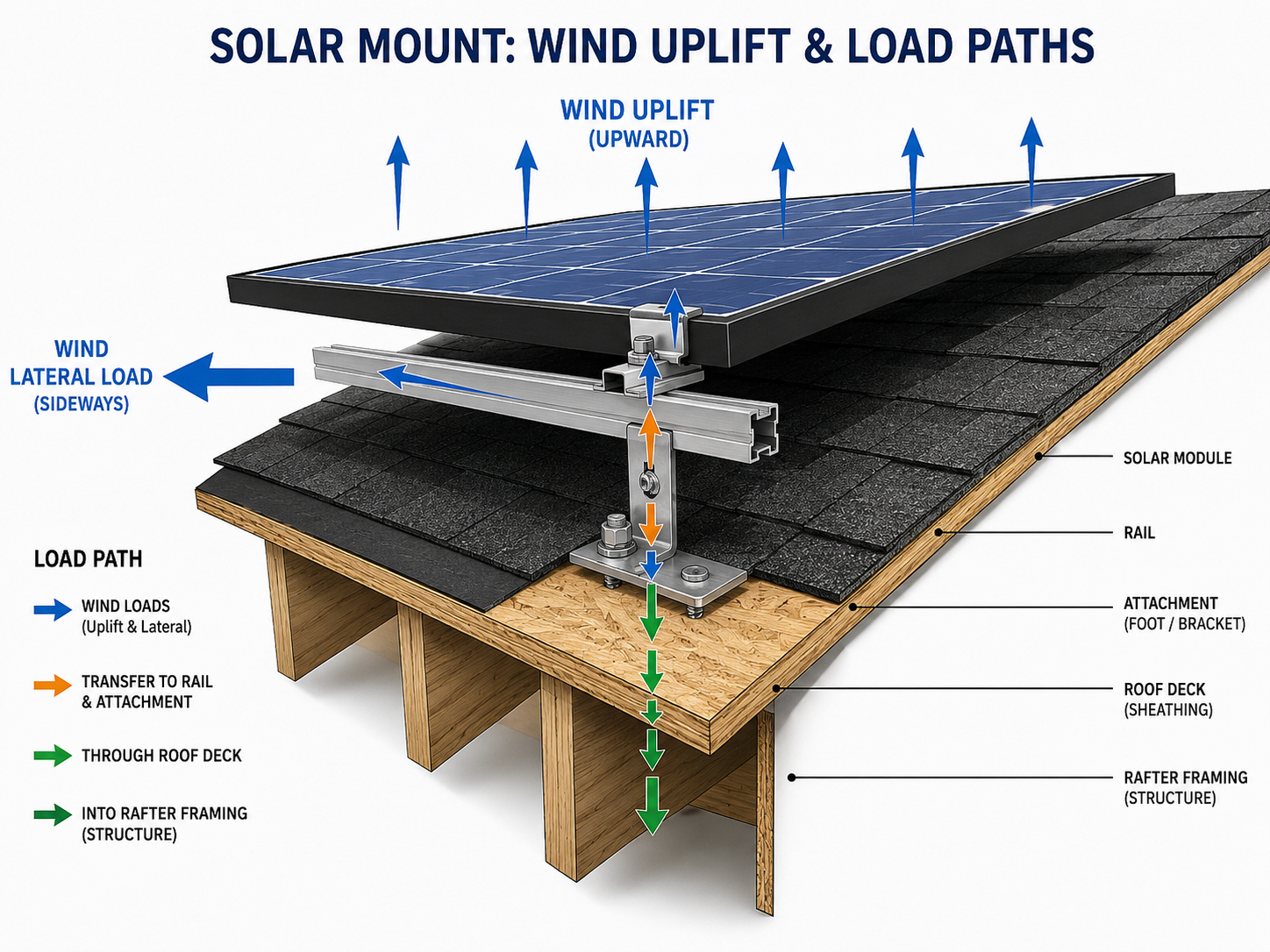
Wind Uplift & Load Paths
Wind wants to lift the system. The mount must transfer that force safely.
Roof types
Every roof changes the mounting conversation.
SolarMount.com avoids one-size-fits-all advice. Roof type, roof age, underlayment, structure, slope, access, and local code all matter.
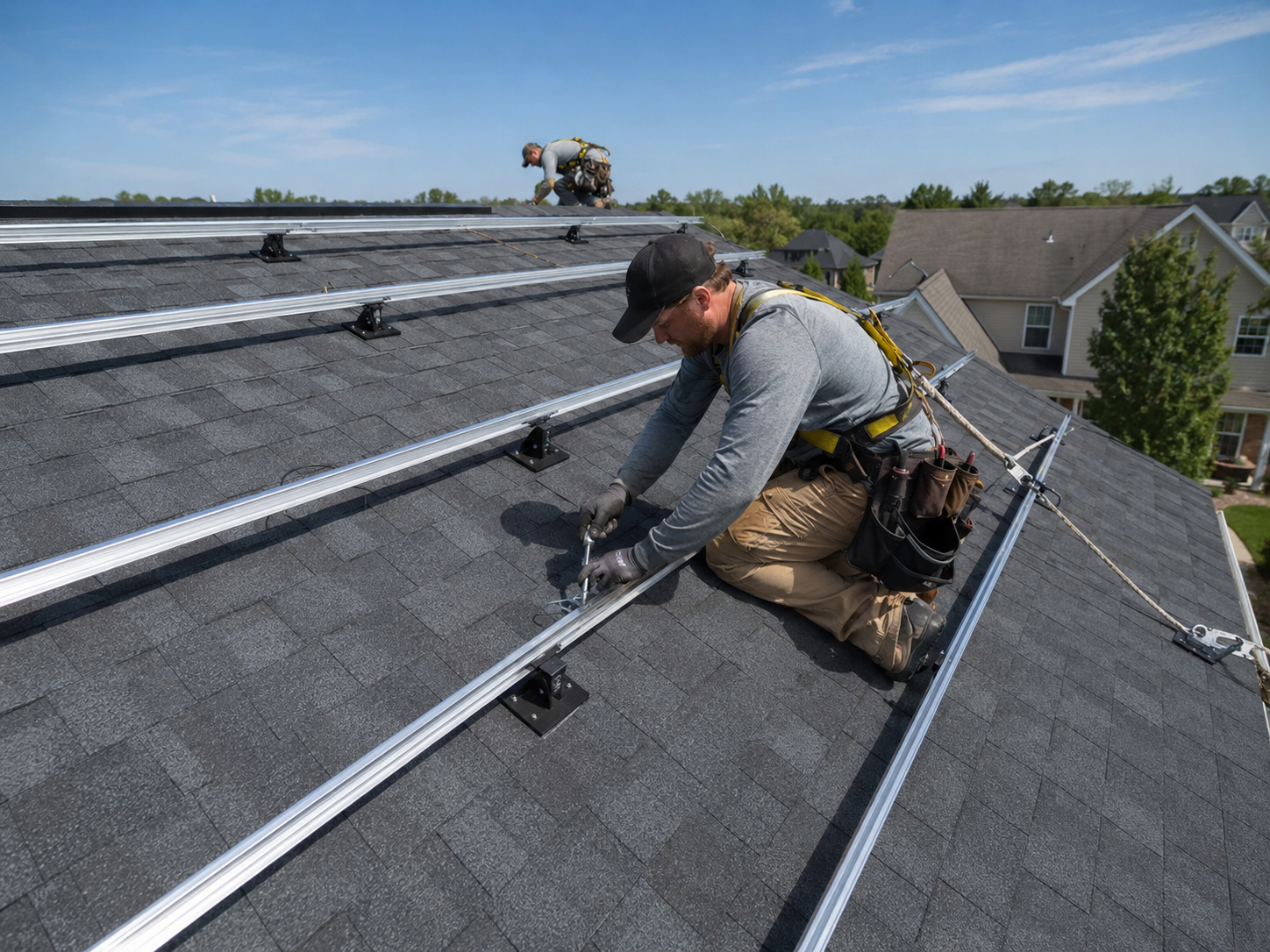
Composition Shingle
The workhorse roof type for many residential solar installations.
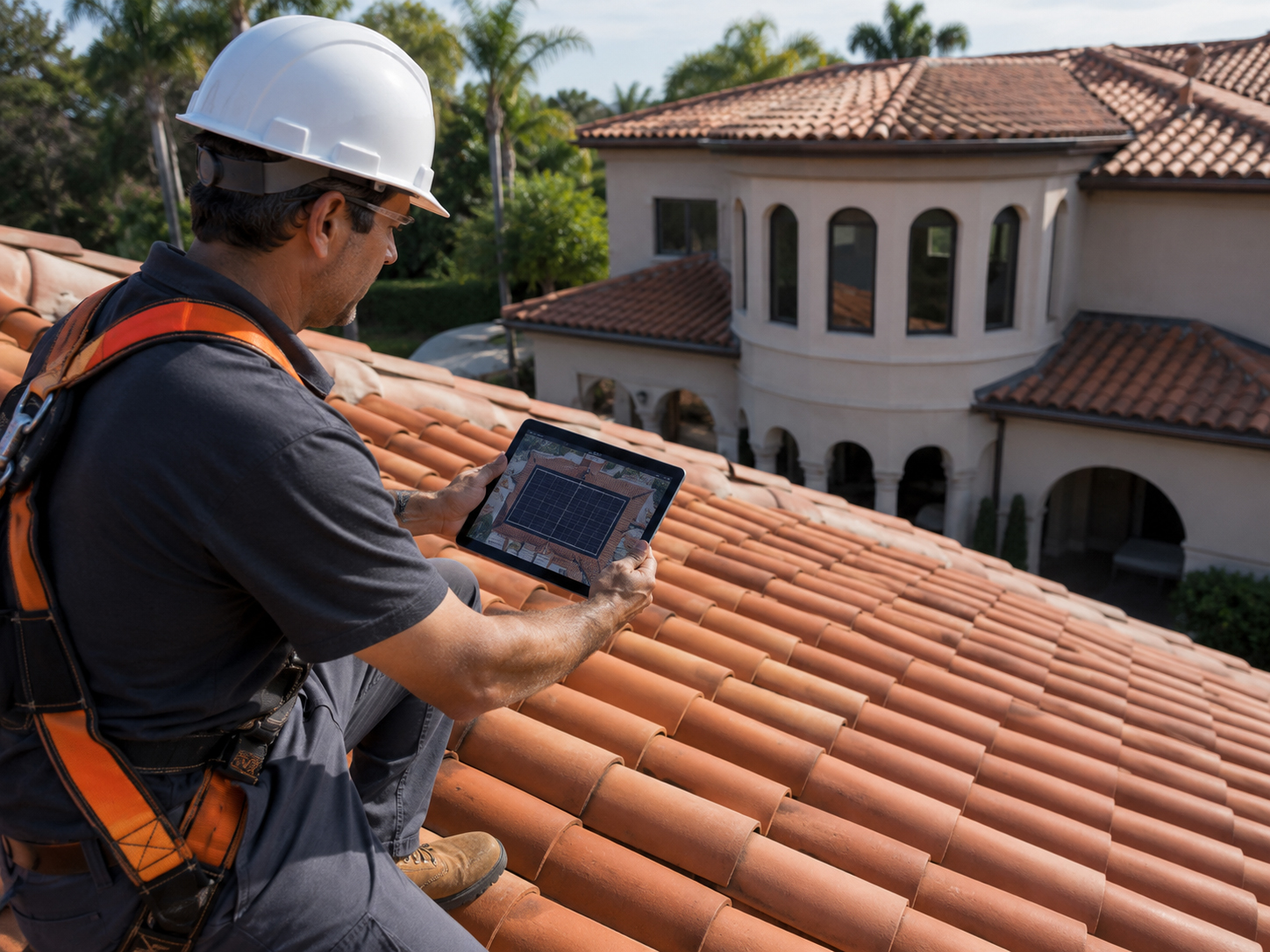
Tile Roof Review
Tile roofs require project-specific review, roof-condition checks, and careful planning.
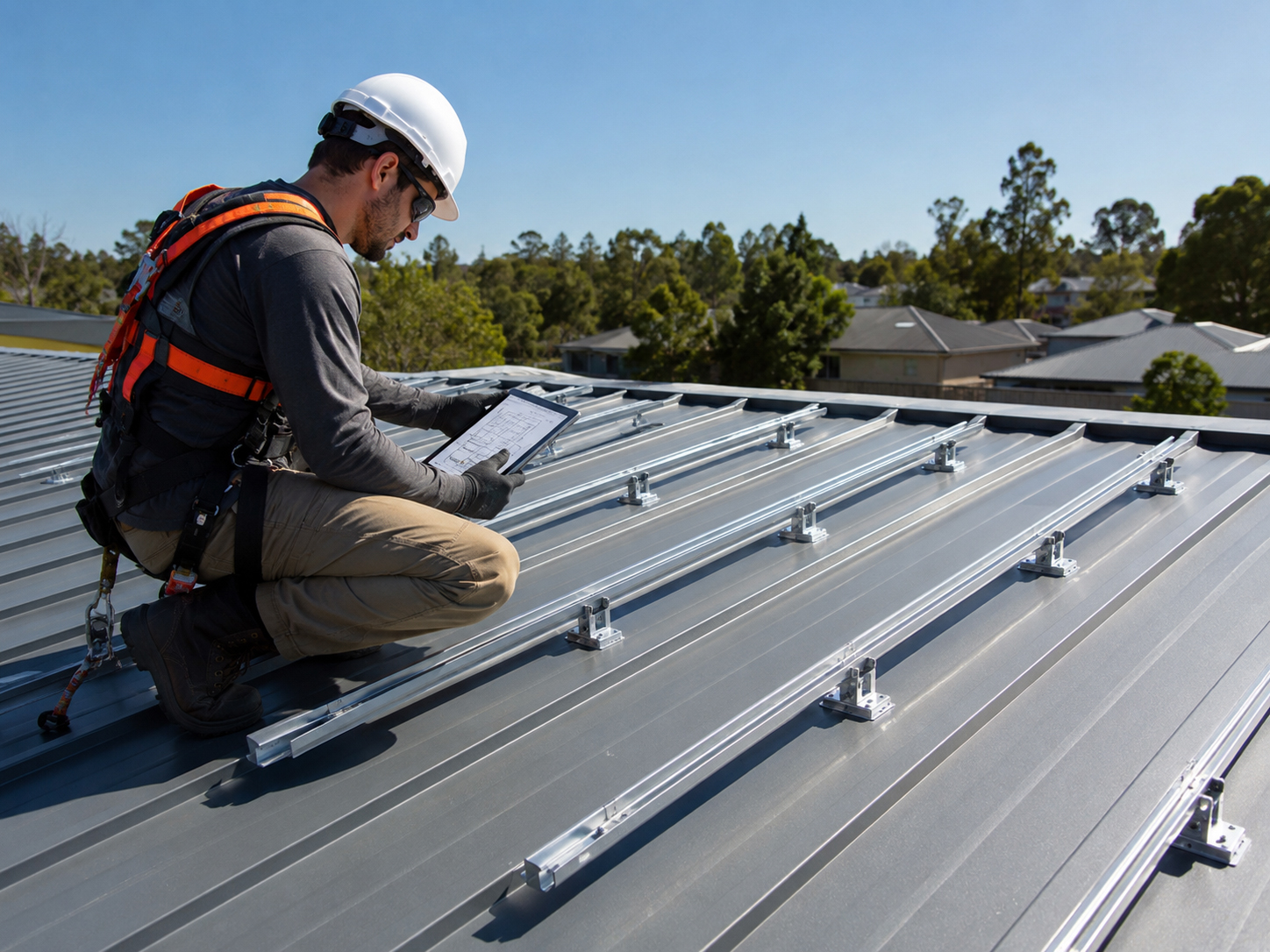
Metal Roofs
Standing seam and metal roof projects require the right attachment strategy.
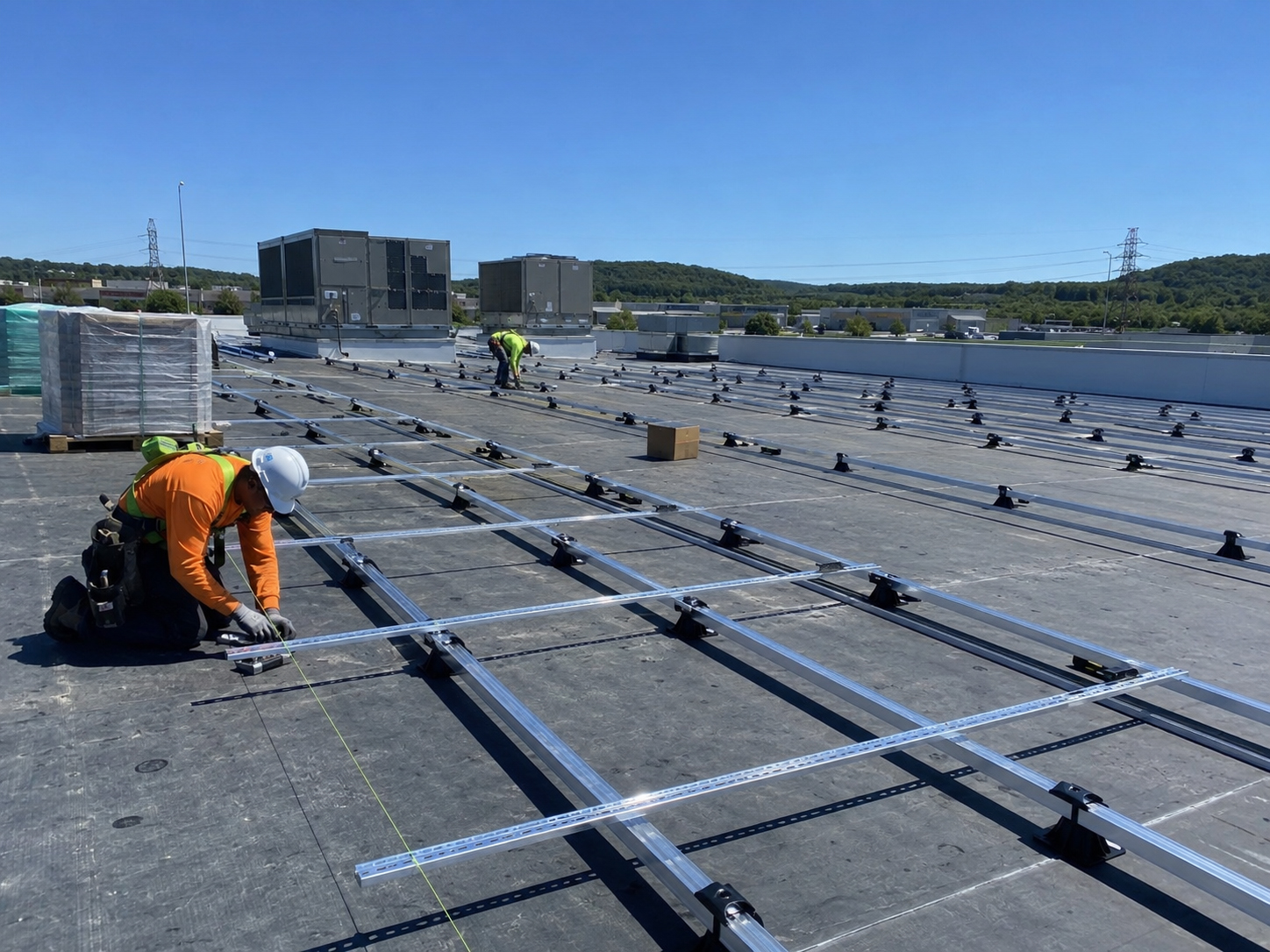
Flat Roofs
Commercial roofs bring ballast, drainage, membrane protection, and load review.
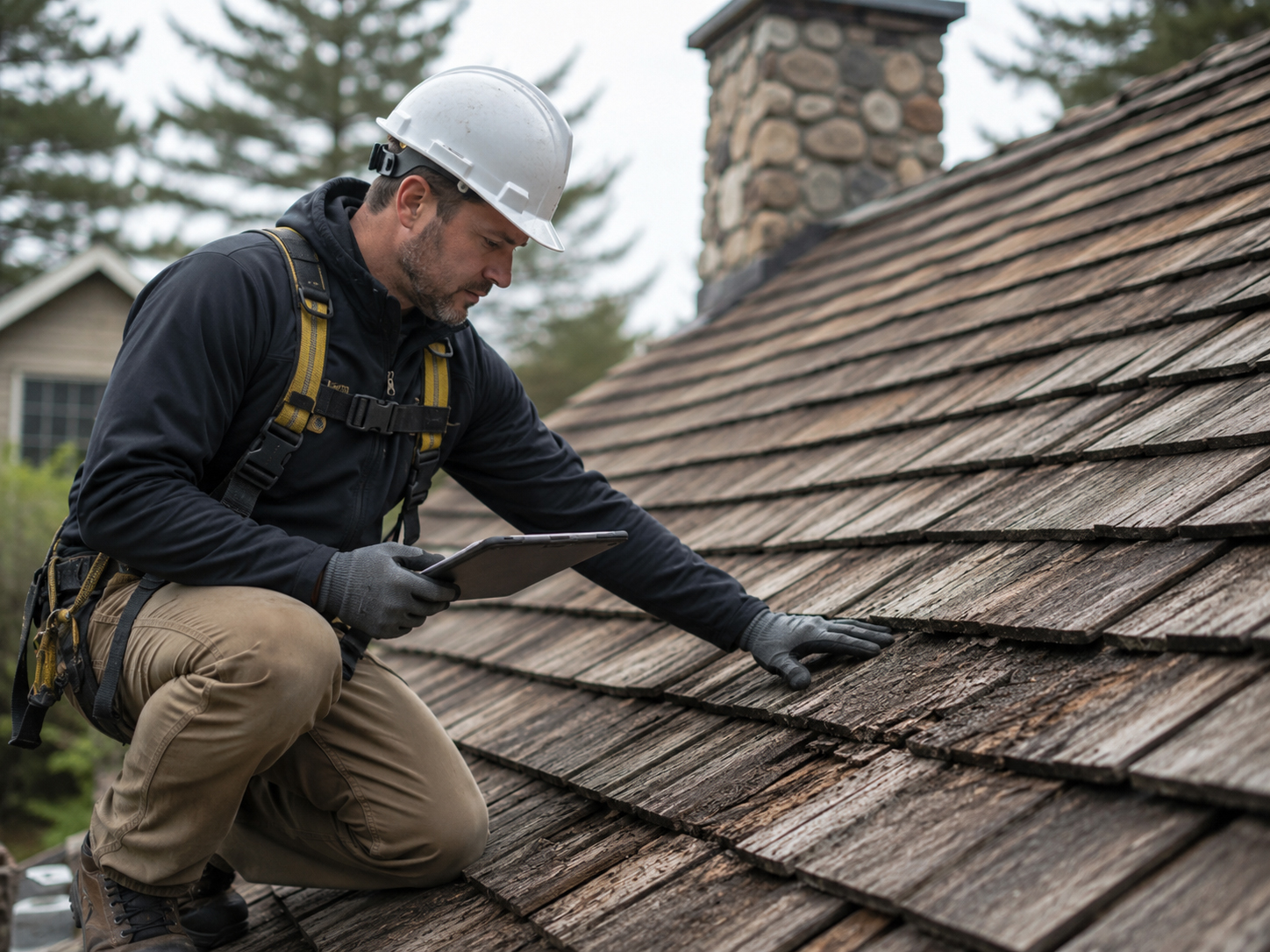
Wood Shake
Older roof materials deserve special caution before solar is considered.

Unique Roofs
Skylights, hips, valleys, dormers, and mixed materials can change the entire layout.
ABC Solar field experience
Field-tested solar mounting, explained plainly.
SolarMount.com is brought to you by ABC Solar Incorporated, a California licensed B-General and C-46 Solar contractor.
ABC Solar has learned that the most important solar details are often the ones homeowners never see: the rafter, the flashing, the sealant, the load path, the ballast plan, the wire route, and the inspection moment before concealment.
This site is educational, not engineering advice. Actual mounting decisions must be based on roof type, project conditions, approved plans, manufacturer instructions, building code, inspection requirements, and qualified professional review where required.
About SolarMount.com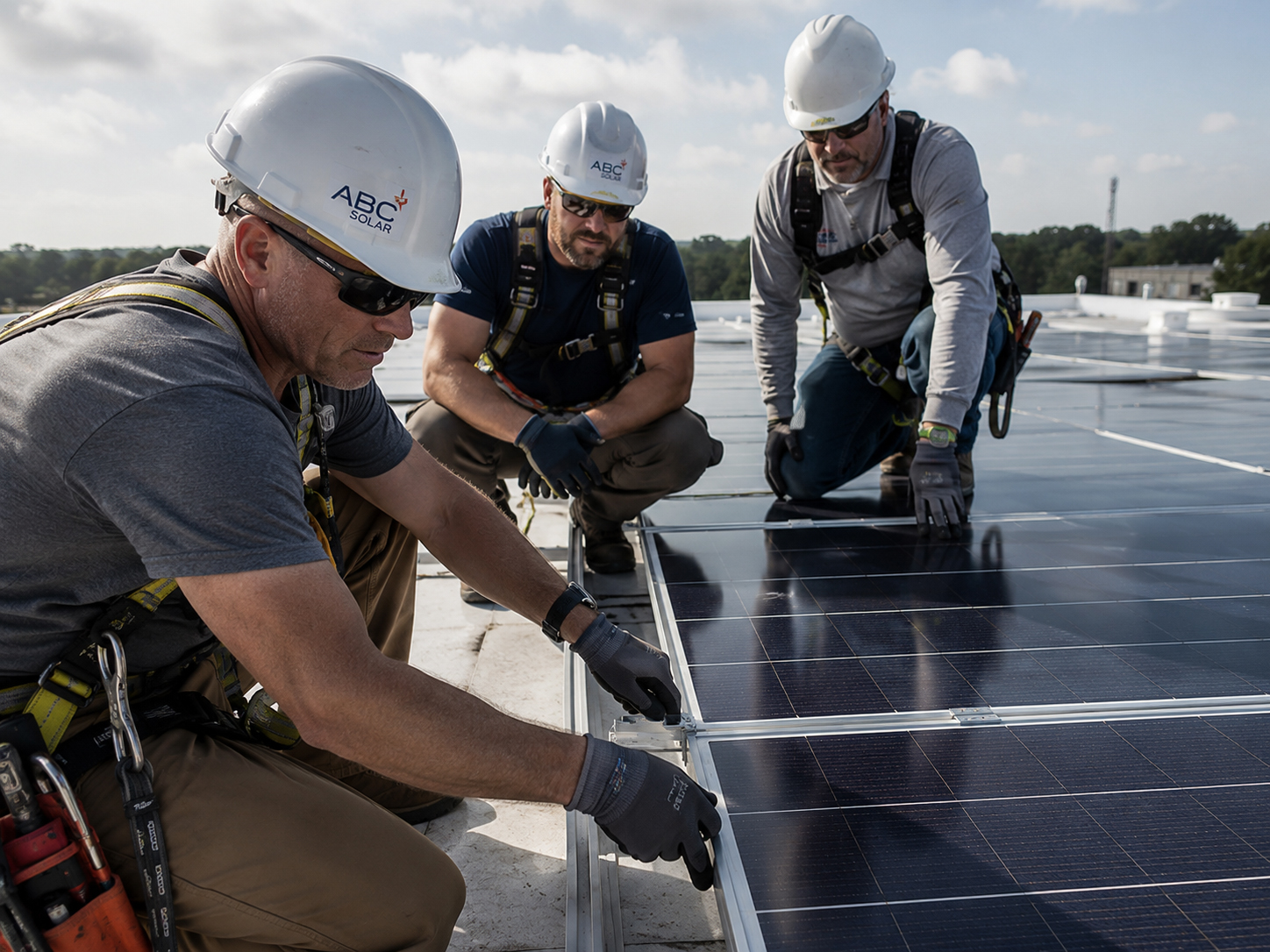
Commercial and ground mount
Solar mounting beyond the house.
SolarMount.com also covers flat-roof commercial arrays, ballast systems, ground-mounted solar, trenching, inverters, carports, and building-integrated solar.
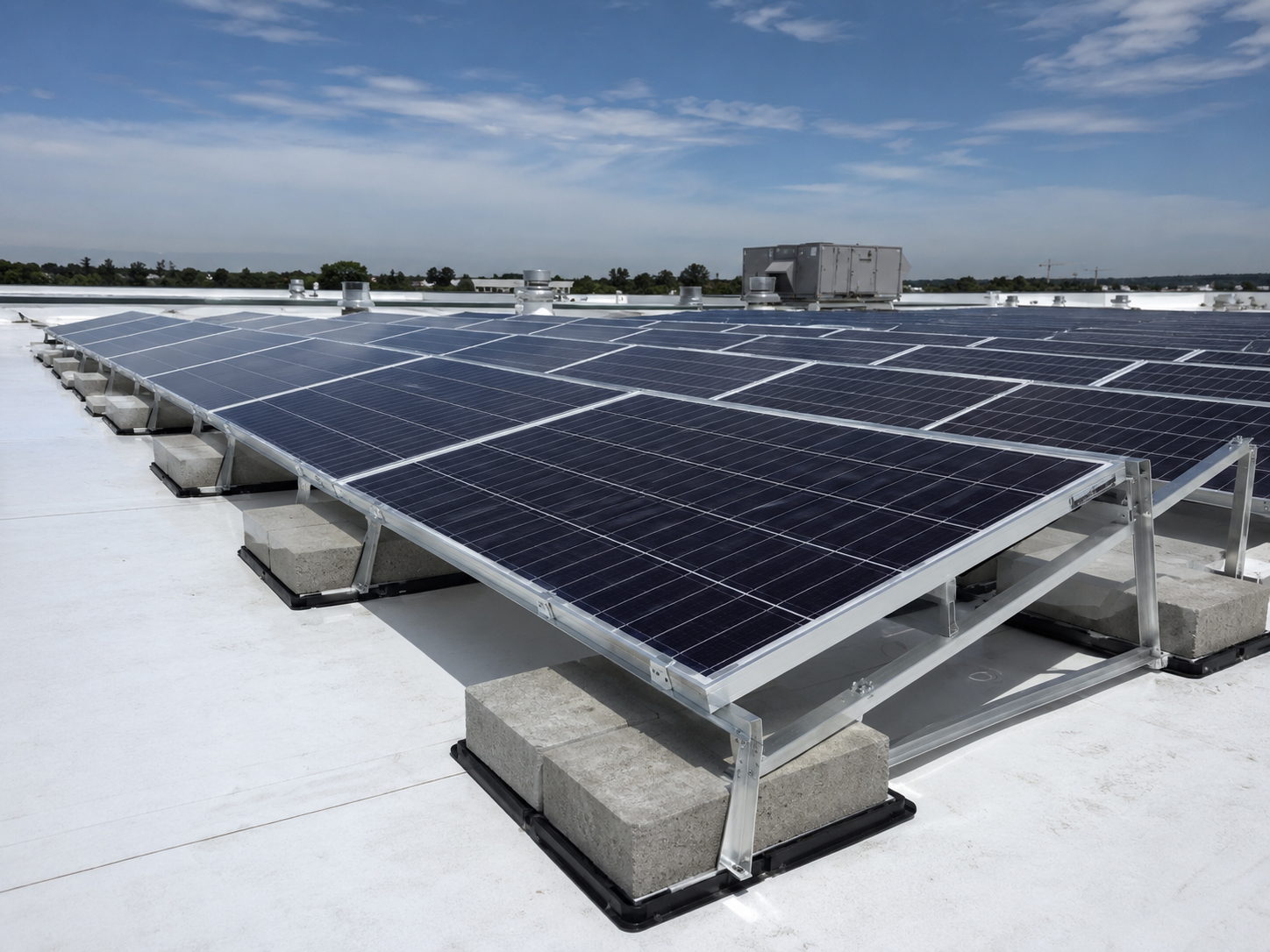
Ballasted Flat Roof
Weight, wind, membrane protection, and engineering review.

Ground Mount
Posts, foundations, tilt, trenching, access, and serviceability.
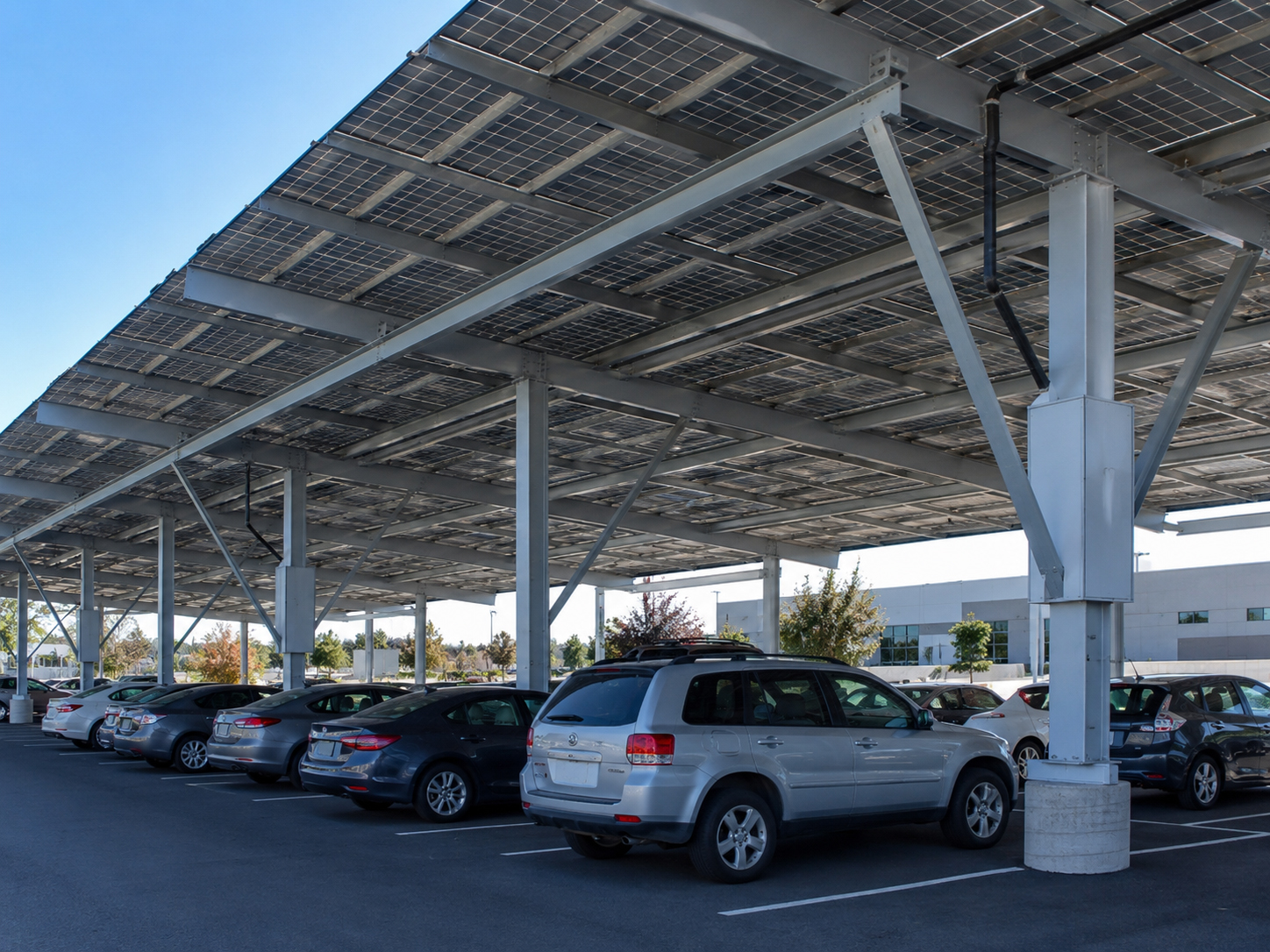
Solar Carports
Solar becomes structure, shade, parking cover, and infrastructure.

BIPV
Facade and high-rise solar require a building-system mindset.
Start here
Planning solar? Start with the roof.
The best time to think about mounting, waterproofing, structure, and service access is before the contract, before the permit set, and before the first roof penetration.